Covered Button
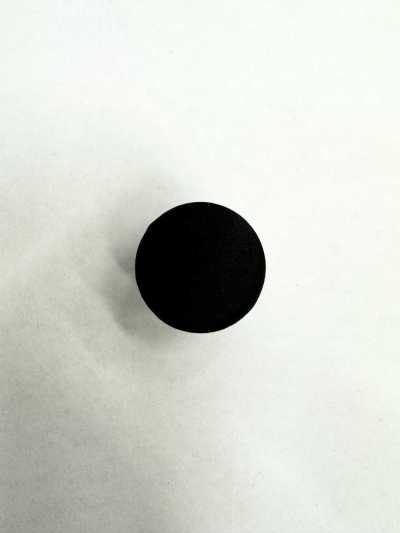
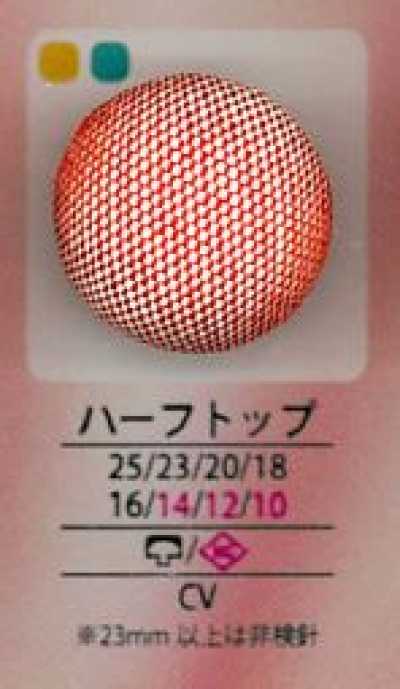
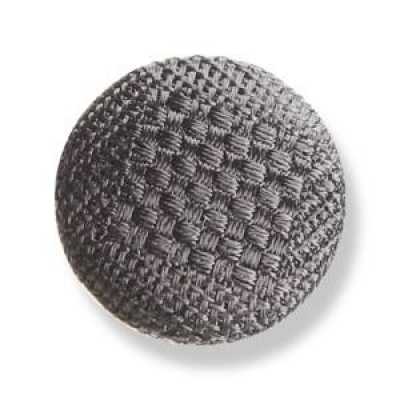
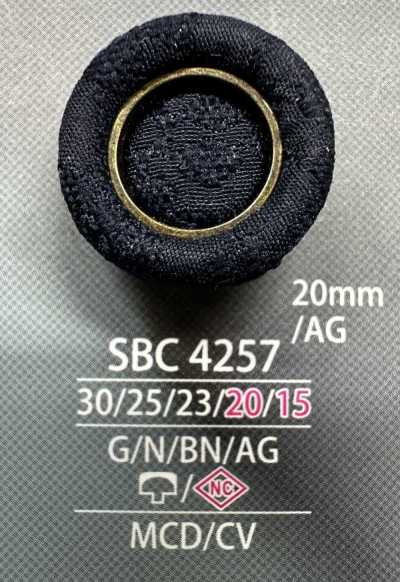
A covered button is a button finished by wrapping a core material such as metal or resin in textile or synthetic leather, matching the outer fabric in color, pattern, and texture.
Contents6 sections
Definition and Overview
A covered button is a button in which the surface of a core material is covered with textile or similar material. If it is made from the same material as the garment fabric, the button blends in and creates a unified look. On the other hand, wrapping it in a different color or material can also make it a decorative accent.
Its defining feature is that it shows the character of the covering material, rather than exposing a molded surface material like an ordinary button. The thickness, weave pattern, nap, and elasticity of the textile used affect the finished appearance and durability.
Materials and Structure
The core material is made of metal, resin, or similar material, and the outside is covered with textile, synthetic leather, or the like. With thin textiles, the outline of the core material can show through more easily, and with thick or brushed materials, the textile may be harder to fit neatly, so confirm whether the thickness is suitable for covering.
Many have a shank on the back for sewing attachment, so no thread-through hole appears on the surface. However, there are also other structures, such as flat-back versions or versions that differ depending on the processing method. Their thread position and sewing method differ from those of buttons with holes.
- A shank structure makes it easier to create a small space between the button and the garment front, and it is also easier to use on thick front openings.
- When using thin textile for the outer material, check whether the color or shape of the core material shows through.
- For patterned textile, specify in the specification sheet whether the pattern placement should be matched or intentionally varied.
How Size Is Expressed
The size of a covered button is shown by the diameter of the button surface in mm, and may also be expressed in lignes. Lignes are a size unit used for buttons, and 1 ligne is approx. 0.635 mm. In orders and specification sheets, listing both units helps prevent misunderstandings.
It is necessary to check not only the finished diameter, but also the part dimensions before covering and the shape of the shank. Even with the same stated diameter, the apparent size and how easily it passes through the buttonhole may change depending on the thickness of the textile and the wrapping method.
Main Uses
It is used for jackets, suits, dresses, blouses, and more. Buttons covered with the same fabric are suitable for formalwear and occasion garments, especially where you do not want to interrupt the impression of the outer fabric.
They are used not only for front openings, but also for cuffs, center-back openings, necklines, and decorative purposes. For areas that are fastened and unfastened often, consider a specification that matches the intended use, including the outer fabric, core material, shank, and sewing strength.
How to Attach and Handling Precautions
A covered button with a shank is sewn on by passing thread through the shank. Creating a proper thread stem between the textile and the button, and making a thread wrap at the base if necessary, makes it easier to fasten even when the front opening has thickness. Attaching a backing button on the reverse side can distribute the load on the outer fabric.
Whether it can be washed or dry-cleaned depends on the textile covering the surface, the core material, and the bonding or processing method. It is important to verify not only the care label, but also product testing that includes the button itself. Long soaking, strong friction, and drying processes may damage or deform the textile.
Do not press the iron directly and strongly onto the button surface; use a pressing cloth or avoid the button area when ironing. High heat or pressure may cause shine on the covering textile, defects in the bonded area, deformation of the resin core, or discoloration of metal parts.
Frequently Asked Questions
Are covered buttons and shank buttons the same?
No, they do not mean the same thing. Covered buttons refer to a type of button in which the core material is covered with textile or the like, while shank buttons refer to a structure with a sewing shank on the back. Many covered buttons have a shank structure, but the structure and surface finish are different classifications.
Can covered buttons be machine-washed at home?
It cannot be judged uniformly. Durability differs depending on the surface textile material, colorfastness, core material, and fixation method. In particular, for dark-colored textiles, brushed textiles, and delicate materials, it is necessary to check for friction, shrinkage, color transfer, and surface damage. Perform washing tests on the product and handle it according to the care instructions.
How do you choose the buttonhole for a covered button?
Consider not only the finished diameter of the button, but also its thickness, the slipperiness of the surface textile, and how it catches due to the shank structure. It is important to make a prototype and actually fasten and unfasten it to check for difficulty in passing through and looseness. Choose between a keyhole buttonhole and a bound buttonhole according to the garment design and the intended location.