Die Casting
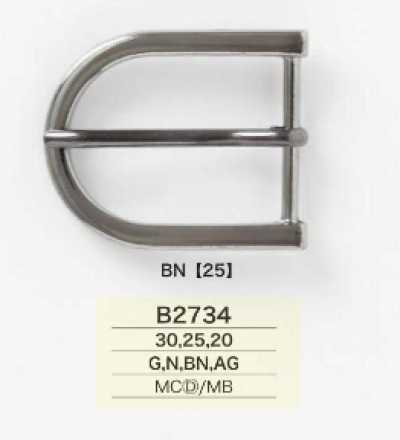
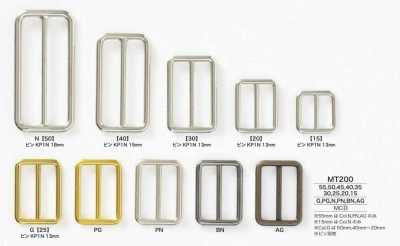
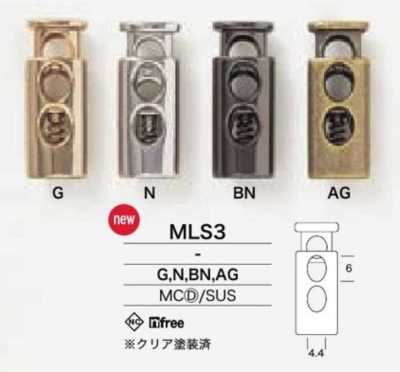
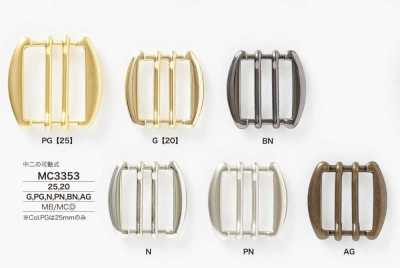
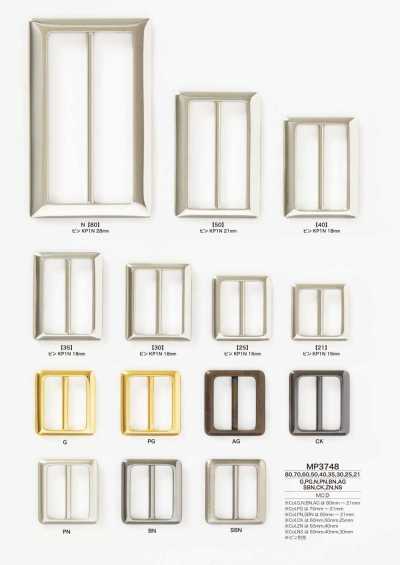
Die casting is a casting method in which molten alloy is injected into a mold under high pressure to form a shape, or metal parts such as buckles and rings made by this method.
Contents6 sections
Definition and Overview
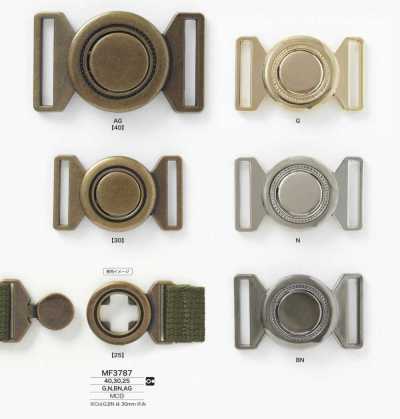
Die casting is a casting method in which molten metal is injected into a precision mold under high pressure to form a shape. In apparel accessories, it may also refer to buckles, rings, pulls, decorative fittings, and similar items made by this method.
It can relatively easily reproduce complex three-dimensional shapes and patterns, and has characteristics different from metal fittings made by bending sheet material with a press. However, “die casting” is a term for the manufacturing method and part category, not a name that describes the shape or application itself.
Materials and Structure
For apparel die-cast fittings, alloys with zinc as the main component are often used. Because they can be integrally molded in a die, they are suitable for shapes with thick bodies, curved surfaces, openwork patterns, logo-like designs, and similar features.
The surface may be finished with plating, coating, antique-style finishes, or similar treatments. Since the visible color often depends on the surface finish, it is important to check the base material, finish specifications, and usage environment separately.
How Sizes Are Expressed
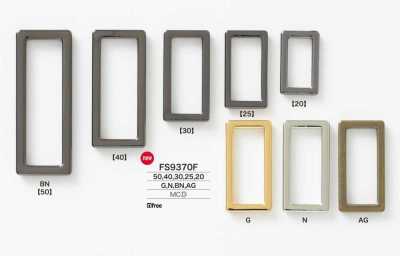
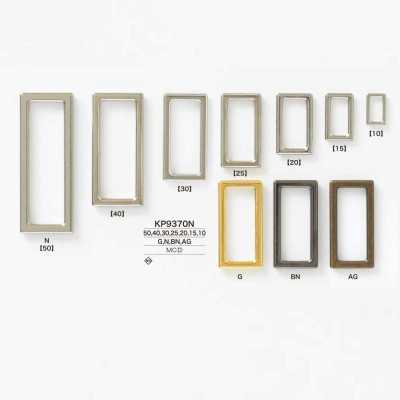
For buckles, D rings, rectangle rings, and similar items, size is generally shown by the internal dimensions of the opening through which the tape or belt passes. When ordering, check not only the outside dimensions but also the tape width to be passed through and the fitting's internal dimensions.
If the tape width and internal dimensions are too close, threading becomes difficult, and thicker tape will not move smoothly. On the other hand, if the internal dimensions are too large, the tape may shift to one side, affecting position adjustment and holding performance, so confirm the combination including the actual tape thickness.
- Internal dimensions: the inner width of the part through which the tape, belt, or cord passes.
- Outside dimensions: the overall width, height, and thickness of the fitting.
- Threading width: the actual width of the tape used; also check the woven edge and thickness.
Main Applications
Die casting is used for bag strap hardware, belt fasteners, adjustment fittings for outerwear and workwear, and decorative accessories. Taking advantage of its design flexibility, it may serve both as a functional part and a decorative part.
For applications that bear load, design should take into account not only the fitting itself but also the tape strength, stitched area, sewing specifications, and the direction of pulling during use. In areas that are opened, closed, and adjusted repeatedly in daily use, wear on moving parts also needs to be checked.
Selection and Precautions
When selecting, confirm the tape width to be threaded, the fitting's thickness and weight, required strength, surface finish, and mounting method. Large, thick die-cast parts can create a strong presence, but in garments they may affect wear comfort and place a burden on the textile.
Zinc die-cast parts may discolor, experience plating wear, or corrode depending on the usage environment and the condition of the surface finish. For products that may come into contact with sweat, moisture, seawater, detergents, or similar substances, check appearance and function under conditions close to actual use.
Because die-cast fittings are made of metal, they are subject to inspection with a needle detector. For products requiring needle detector compatible handling, share in advance with the factory the conditions of the needle detector to be used, the position of the fitting, and the method for distinguishing it from foreign material inspection.
- Strength varies depending on the shape, thickness, alloy used, and mounting condition.
- The appearance of plating color or antique-style finishes may differ depending on the lot and the condition of the base layer.
- For applications that touch the skin, also confirm surface finish specifications such as nickel-free.
Frequently Asked Questions
Are die casting and zinc die casting the same?
Die casting is a broad term for a casting method or parts made by that method. In apparel accessories, zinc die casting is often used because zinc alloys are common, but when selecting, check not only the manufacturing method name but also the actual base material and surface finish.
Where should I look for the size of a die-cast fitting?
For fittings through which tape or belts pass, first match the internal dimensions of the opening with the actual width of the tape used. Tape thickness, edge thickness, and folded sections also affect threading and movement. Outside dimensions, thickness, and the dimensions of moving parts should also be listed in the specification sheet for confirmation.
Can die-cast fittings be checked with a needle detector?
Metal die-cast fittings react to a needle detector. However, the degree of response varies depending on the size and position of the fitting and the needle detector settings. In product inspection, confirm in advance an operation that can distinguish intended metal accessories from foreign objects such as broken needles.