Rectangle Ring
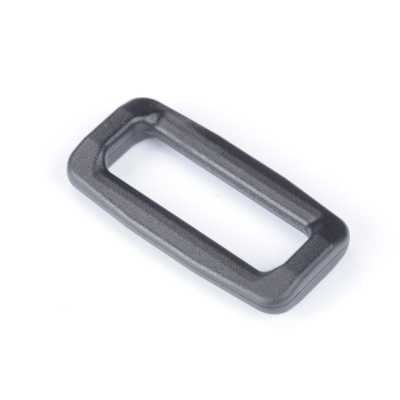
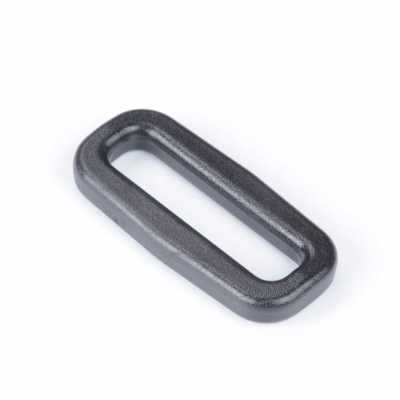
A rectangle ring is a frame-shaped part with a square or rectangular shape, used in rings to thread tape or belts through for connecting, length adjustment, reinforcement, and more.
Contents6 sections
Definition and Overview
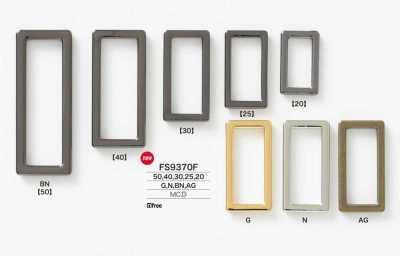
A rectangle ring is a ring-shaped part with straight sides in a square or rectangular shape. It is used to thread tape, belts, cords, and similar materials through it to connect components and, when combined with slide adjusters and similar parts, to adjust length.
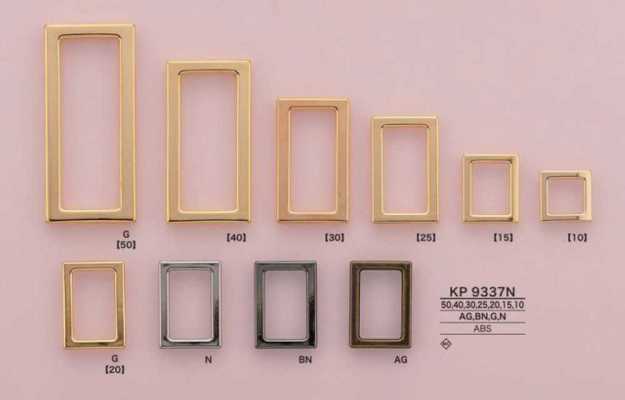
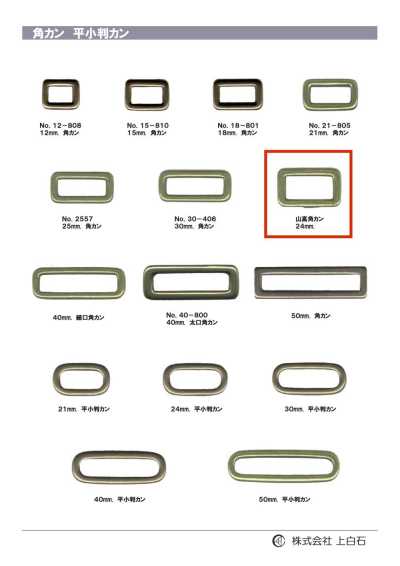
There are types made by bending metal wire, types formed from sheet material or by casting, and resin-molded products. The basic shape has no center bar inside the frame, but depending on the shape and application, there are also similar products with a center bar.
Materials and Structure
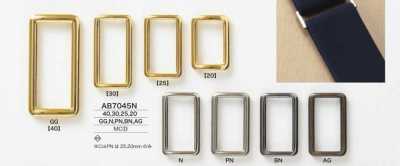
Metal types are used for bag handle bases, belts, and garment accessories where strength is required. The surface may be plated or painted, which affects not only appearance but also corrosion resistance and compatibility with the usage environment.
Resin types are relatively lightweight and are also an option for products where metal contact should be avoided. However, because load resistance, impact resistance, and weather resistance differ by material, it is necessary to confirm whether the required performance is met even if the shape is the same.
How to Express Size
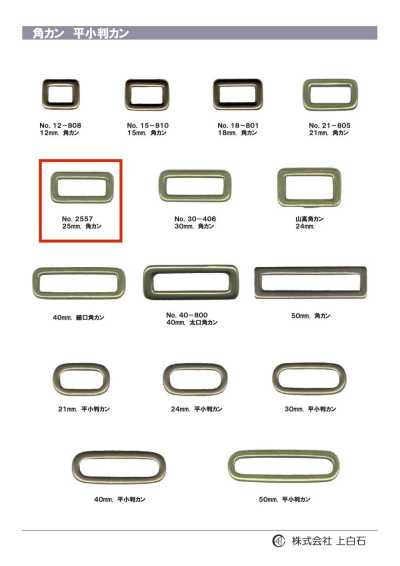
The size of a rectangle ring is generally indicated by the inner width through which the tape passes. The basic rule is to match it to the tape width being used, and if the tape is thick or is threaded after being folded back, the inner height and rounded corners should also be checked.
Outer dimensions, wire diameter or thickness, and inner height affect appearance, ease of threading, and strength. Even with the same inner dimension indication, the actual threading feel varies depending on the manufacturing method and cross-sectional shape, so it is important to verify the combination using the actual tape.
- Inner width: Confirm compatibility with the width of the tape to be threaded.
- Inner height: Relates to tape thickness and whether double-layer threading is possible.
- Wire diameter / thickness: Relates to strength, weight, and visual impression.
- Outer dimensions: Confirm sewing position and interference with surrounding parts.
Main Applications
In bags, they are used at shoulder tape connection points, handle attachment points, and strap threading sections. In garments, they are used for finishing belt ends, decorative and adjustment parts at the waist and cuffs, and accessories for workwear and outdoor wear.
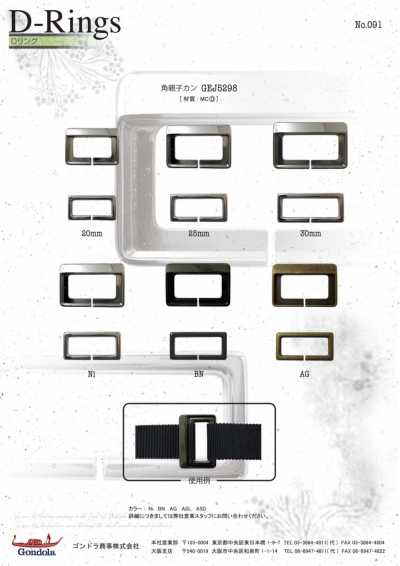
Used alone, they serve as fixed connection parts; combined with slide adjusters or buckle rings, they can be used to adjust strap length. Compared with D rings, they are less likely to twist the tape and make it easier to achieve a straight, tidy appearance.
Selection and Precautions
For load-bearing areas, strength should be considered not only in terms of tape width compatibility, but also the material of the rectangle ring itself, cross section, joint condition, and sewn attachment area. In particular, shoulder sections of bags should be tested and verified with the expected load and repeated use in mind.
For metal types, attention must be paid to rust, discoloration, and color transfer to other materials caused by sweat, moisture, washing, seawater, chemicals, and similar factors. For plated products, surface changes due to friction should also be checked. For products that require metal detection, whether needle detector compatibility is required and the inspection conditions should be shared with the manufacturer in advance.
Rectangle rings differ from D-shaped rings such as D rings in that they receive the tape along straight sides. Also, slide adjusters and buckle rings often have a center bar for adjusting tape length, so their role differs from that of a simple frame-shaped rectangle ring.
Frequently Asked Questions
Should I choose a rectangle ring with the same inner dimension as the tape width?
Basically, choose an inner dimension close to the tape width. However, extra room is needed for thick tape, specifications where the tape is threaded while folded in half, and areas where seam allowances overlap. Check the threading performance with the actual product, including not only the inner width but also the inner height, rounded corners, and the thickness of the tape end.
How should rectangle rings and slide adjusters be used differently?
Rectangle rings are mainly frame-shaped parts used to thread and connect tape or belts. Slide adjusters are suited to applications that use a center bar and friction to adjust and hold length. In shoulder straps, rectangle rings may be used for the connection section and slide adjusters for the adjustment section.
What should be noted when using metal rectangle rings in garments?
Check for the possibility of rust, discoloration, plating wear, and color transfer to the contact textile due to washing, sweat, and moisture. Consideration for metal contact is also necessary in positions close to the skin. In products that undergo needle detection, confirm in advance whether they can be used and what effect they will have on the inspection process.
- Browse Rectangular Ring products
- Products with material "Metal"
- Products with material "ABS Resin"
- Products with material "Polypropylene"
- Products with material "Polyacetal"
- Products for style "For Bags"
- Products for style "Outdoor"
- Products for style "For Sports"
- Products for style "For Uniforms/Workwear"
- Browse Buckles And Rings products