Cord Stopper
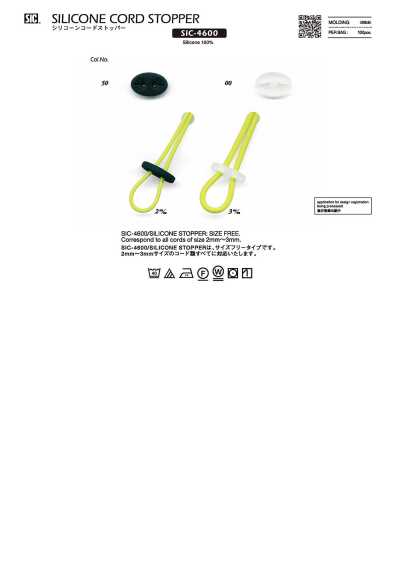
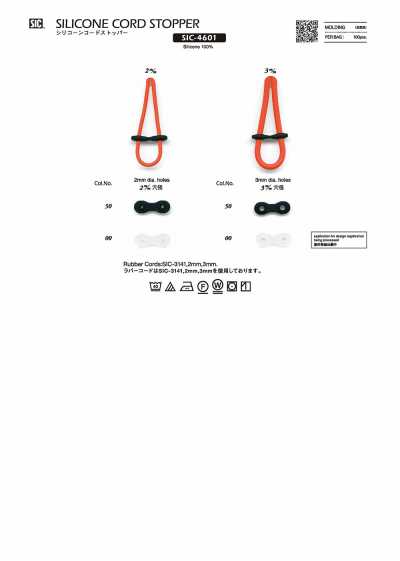
A cord stopper is an accessory part that holds a string or cord at any position and adjusts the degree of tightening at openings, hems, hoods, and similar parts of clothing and bags.
Contents6 sections
Definition and Overview
A cord stopper is a component that clamps a cord threaded through a hole with a spring or retaining section to fix its extended position. It allows one-handed adjustment of drawcord length and opening size, and can be loosened again as needed.
In general, many designs use a button-shaped body that is pressed to release the lock, then the cord is moved before the hand is released. Round cord is the most common, but there are also shapes that support flat cord, tape, and multiple cords.
Materials and Structure
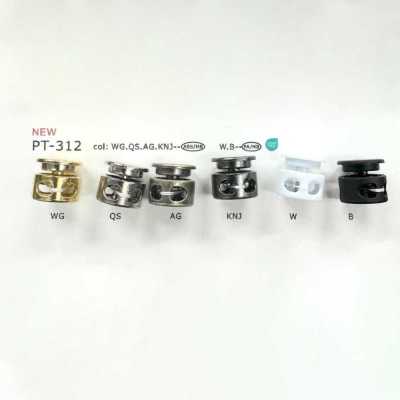
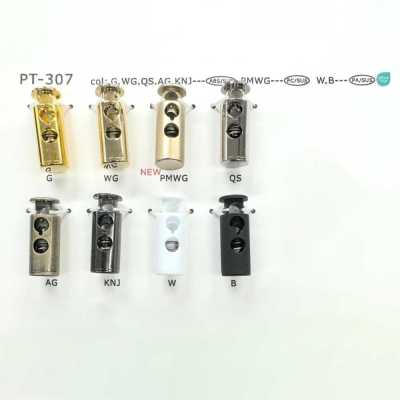
The body is often made of lightweight, rust-resistant resin such as nylon, ABS resin, or polyacetal. Metal types are easier to achieve in texture and strength, but require consideration of weight, corrosion, and discoloration due to surface treatment.
The basic structure consists of the body, a movable part that holds the cord, and a spring that provides restoring force. In spring-loaded types, the combination of push-in amount, cord surface friction, and hole shape affects holding force and feel of operation.
- Resin type: lightweight and easy to use in apparel, with color variations easy to create.
- Metal type: easy to give a refined appearance, but product weight and wet environments should be checked.
- Spring-loaded type: easy to operate, but because it contains a spring, confirmation of needle detector conditions is necessary.
How to Express Size
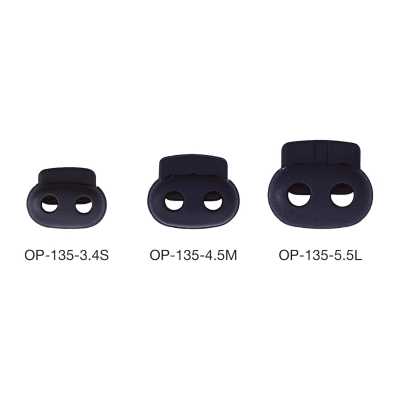
When selecting, check not only the outer dimensions of the body but also the inner dimensions of the hole through which the cord passes and the compatible cord thickness. For round cord, match the hole diameter with the actual measured cord diameter; for flat cord and tape, match both the inner dimensions of the opening and the tape width and thickness to be threaded.
If the cord is too thin, it may slip and not hold; if it is too thick, it may be difficult to thread or may become harder to operate. Because brushed cord, wax cord, and elastic cord differ in friction and thickness, it is important to confirm with prototypes using the actual combination.
Main Applications
In outerwear and sportswear, it is used to adjust drawcords at the hood opening, hem, waist, and cuffs. The main purposes are to improve fit to the body, help wind resistance, and change the silhouette.
In bags, pouches, and drawstring bags, it is used to tighten the opening and prevent contents from falling out. For kids' products and work use, in addition to operability, safety is considered including snagging, detachment, and cord-end finishing.
How to Choose and Precautions
Select based on the type of cord used, thickness, number of cords, and required holding force. At load-bearing points or points that are opened and closed frequently, check in the product specifications whether the cord will not pull out under tension and whether the lock continues to function after repeated operation.
Metal parts may rust or discolor depending on the usage environment, such as sweat, moisture, washing, and seawater. For resin parts as well, consider effects on appearance and strength from chemicals, heat, ultraviolet light, and low temperatures, and evaluate under conditions including washing and secondary processing.
For products that undergo needle detection, a cord stopper with a metal spring built in may react to the detector. Confirm before production whether needle detector compatibility is necessary, the detector settings, and consistency with foreign-object contamination control. A cord end is a part that finishes the end of the cord, and its role differs from that of a cord stopper, which fixes and adjusts the position of the cord.
Frequently Asked Questions
Can a cord stopper be selected based only on cord thickness?
In addition to cord thickness, check whether it is round cord or flat cord, how slippery the surface is, the number of cords used, and the required holding force. Even if it fits through the hole, if it is too thin it will slip, and if it is too thick it will impair operability and durability, so judgment should be made with prototypes using the actual cord.
What is the difference between a cord stopper and a cord end?
A cord stopper is a part that holds the cord at an arbitrary position along its length to adjust length and tightening. A cord end is a part used to cover the end of the cord, reduce fraying, or add a decorative appearance, and it usually does not have a position-adjustment function.
Can a cord stopper with a metal spring be needle-detected?
Those using a metal spring may react to a needle detector. However, whether or not a reaction occurs and the detection state depend on the part composition, the sensitivity of the detector, and how the product is threaded. Confirm in advance by combining the parts to be used with the actual inspection conditions.
- Browse Cord Stopper products
- Browse Cord Stopper products
- Products with material "Nylon"
- Products with material "Metal"
- Products with material "ABS Resin"
- Products with material "Polyacetal"
- Products for style "For Outerwear/blousons/coats"
- Products for style "For Sports"
- Products for style "Outdoor"
- Products for style "For Kids"
- Products for style "For Bags"
- Products for style "For Uniforms/Workwear"
- Browse Buckles And Rings products