Non Fusible Interlining
Non fusible interlining is an interlining that supports the garment’s shape, firmness, and three-dimensional form by stitching or partial fixation, rather than bonding it to the outer fabric with adhesive.
Contents6 sections
Definition and Overview
Non fusible interlining is a non-adhesive interlining used by placing it on the reverse side of the outer fabric. “Non fusible” refers to handling the interlining without bonding it fully to the outer fabric, leaving flexibility in tailoring. It is secured by stitching seam allowances and key areas, and if necessary, by basting or hand slip-stitching.
Because the outer fabric and interlining can move separately, it is easier to create natural fullness and a soft three-dimensional effect that is hard to achieve with fusible interlining. On the other hand, because the cutting, setting, and securing method of the interlining affect the finished result, it is important to consider the sewing specifications carefully.
Areas Used and Functions
It is mainly used in areas where a three-dimensional shape must be maintained while preserving the texture of the outer fabric, such as the front body, collar, and lapels of tailored jackets and coats. It is also used selectively in formal wear and dresses depending on the thinness and drape of the outer fabric.
Interlining suppresses stretching and sagging in the outer fabric and helps stabilize collar roll and the front edge. With non fusible interlining, the silhouette is created by the resilience and thickness of the interlining itself, making it easier to produce a natural look that follows movement during wear.
- Front body: supports fullness around the chest and stability at the front edge.
- Collar and lapels: shape the roll and outline.
- Facing and hem area: used partially to suppress stretching and distortion.
Materials and Types
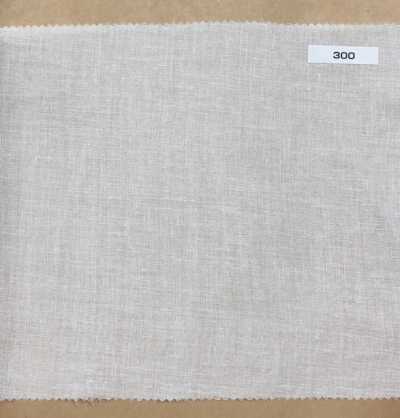
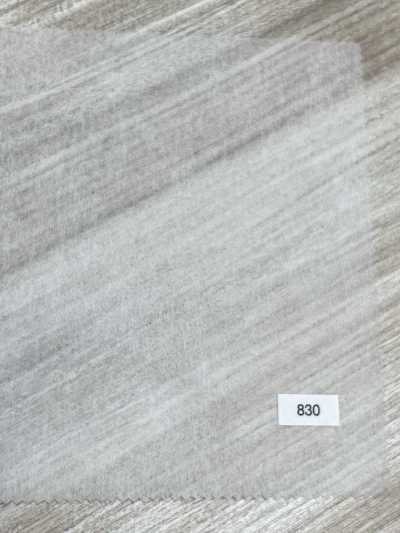
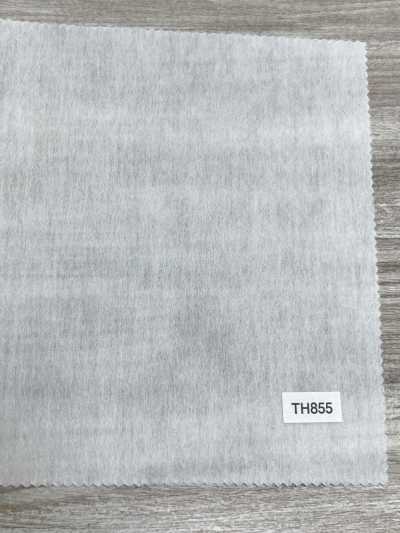
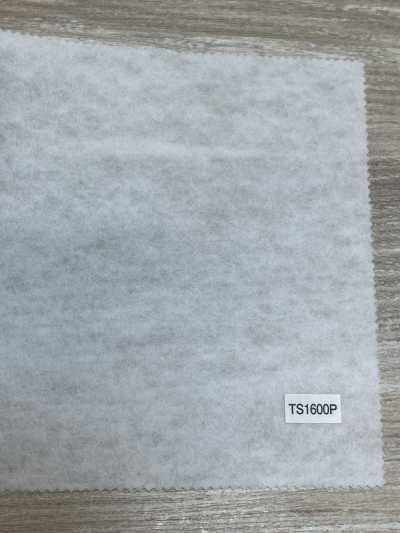
Non fusible interlining includes woven interlining, nonwoven interlining, and interlining containing wool. Woven types make it easier to shape by taking advantage of the grain, while interlining containing wool is used in tailoring that makes use of resilience and three-dimensional effect. Thickness, firmness, breathability, and recovery vary depending on the material composition and structure.
In addition to interlining used widely in the front body, there are also thin auxiliary interlinings used in the collar and front edge. Rather than deciding on one uniform type of interlining, it is important to combine them by area according to the outer fabric, design, and desired wearing comfort.
How to Choose and Compatibility
When selecting, check the thickness, firmness, stretch, and drape of the outer fabric. If the interlining is too firm or too thick compared with the outer fabric, the interlining may show through the surface or the area near the seams may pucker unnaturally. For thin or soft outer fabrics, a light and supple interlining that does not spoil the appearance is suitable.
With woven non fusible interlining, the ease of stretching and shape retention also changes depending on how the grain of the outer fabric and interlining are set. Do not judge it only by the texture of the interlining alone; confirm by bending, suspending, and sewing a prototype with the outer fabric layered over it before deciding.
- Prioritize the texture of the outer fabric and confirm that it does not create excessive stiffness.
- For the collar and lapels, confirm the resilience and roll position when folded back.
- Anticipate differences in shrinkage between the outer fabric and interlining, and carry out tests including washing and dry cleaning.
Differences from Fusible Interlining and Sewing Considerations
Fusible interlining is interlining that is bonded to the outer fabric with adhesive resin using heat and pressure. By contrast, non fusible interlining does not generally become one with the outer fabric through bonding. While it is easier to preserve fullness and mobility in the outer fabric, the number of steps increases and differences due to sewing skill become more visible.
During sewing, align the grain of the interlining, cutting accuracy, and shrinkage differences with the outer fabric, and temporarily secure the necessary areas evenly. If securing is insufficient, the interlining may shift or the outer fabric and interlining may move differently during wear. Depending on the type of outer fabric, a specification that combines fusible interlining in some areas may also be considered.
FAQ
Are non fusible interlining and wool interlining the same?
No, they are not the same. Non fusible interlining refers to how the interlining is used or classified, without bonding it to the outer fabric, while wool interlining refers to a type of interlining that contains wool or similar materials. Wool interlining can be used as non fusible interlining, but not all non fusible interlining is wool interlining.
Can non fusible interlining be sewn with a household sewing machine?
Depending on the thickness and specifications of the interlining, partial stitching is possible. However, in tailoring that shapes the fullness of the front body and collar, basting, hand slip-stitching, and pressing work all affect the finish. Check for puckering and misalignment with a test stitch.
Can fusible interlining be used together with non fusible interlining?
Yes, they can be used together. For example, the front body may use non fusible interlining to create fullness, while fusible interlining may be used in areas that require stability, such as the front edge and facing. However, make prototypes and carry out washing and dry-cleaning tests so that differences in firmness and shrinkage do not occur between bonded and non-bonded areas.