Collar Interlining
Collar interlining is a interfacing used inside the collar of shirts, blouses, jackets, and similar garments to shape the collar and give it appropriate firmness, stand, and durability.

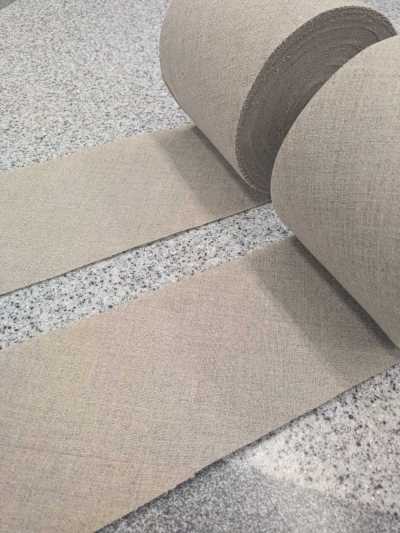
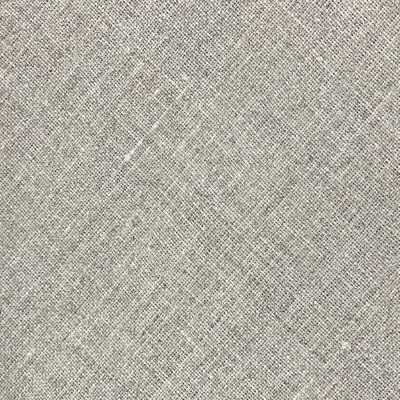
Contents6 sections
Definition and Overview
Collar interlining is a secondary material inserted between the outer collar fabric and the undercollar. It suppresses collar-tip curling and distortion, and helps shape the collar outline when worn. Thickness and firmness are selected according to the collar design, the thickness of the outer fabric, and the desired hand feel.
Unlike fusible interlining, which refers broadly to interlining materials, collar interlining is a term focused mainly on the use area of the collar. In addition to fusible types, there are non fusible interlinings that are sewn in, and they are used according to the specification.
Areas of Use and Role
The main use areas are the stand collar and upper collar of shirts and blouses, and the collars of jackets and coats. By placing interlining inside the collar, it helps the collar stand up at the neck, keeps the collar edges crisp, and improves the drape at the center front.
If a collar interlining that is too stiff is paired with a thin textile, only the collar may float or become unnaturally taut. Conversely, if it is too soft, the collar tips may ripple after washing or wear, so both appearance and durability should be checked.
- Stand collar: the band-shaped collar part that rises along the neck.
- Upper collar: the collar part attached on top of the stand collar and visible from the outside.
- Collar stand: the part where the collar rises from the neck, or its height.
Materials and Types
Collar interlining includes woven interlining with woven fabric as the base, nonwoven interlining, and knit interlining with knitted fabric as the base. In general, woven interlining makes it easier to achieve shape stability, while nonwoven interlining may be easier to cut. Knit interlining is used when considering compatibility with stretchy outer fabrics.
There are fusible types that are bonded to the outer fabric with adhesive resin, and non-fusible types that are sewn in without bonding. Under collar felt may refer to a woven interlining used for collars, and its use as a material name or product category is treated differently.
Selection and Precautions for Fusible Bonding and Sewing
When selecting, use the thickness of the outer fabric, the density of the weave or knit, stretch, sheerness, and the desired firmness of the finished collar as criteria. For thin and soft outer fabrics, consider a light and supple interlining; for specifications that need the collar shape to stand out clearly, consider a more stable interlining. It is important to make a prototype with the outer fabric combination in advance.
When using fusible interlining, match the bonding conditions such as temperature, pressure, and time to the interlining specifications. If the conditions are not suitable, it may lead to peeling, bubbling, or show-through on the outer fabric. When cutting, align the grain, and during sewing, handle the interlining and outer fabric so they do not pull against each other.
The collar tips and curved sections tend to have overlapping seam allowance thickness, so tidy the interlining seam allowances as needed. However, the way cuts or trimming are made in the interlining differs depending on the specification and fabric, so check the turning and any surface impressions in a sewing sample before mass production.
Differences from Similar Terms
Shirt interlining is a term that indicates, by application, the interlining used for shirt collars, cuffs, plackets, and similar parts. Collar interlining refers to the interlining used for the collar among these, and it is also used for collars on jackets and coats, not only shirts.
Haircloth interlining refers to woven interlining containing wool, and is mainly used to support three-dimensional tailoring in tailored jackets and similar garments. Collar interlining differs in that it is a part-specific term that does not limit the material.
Frequently Asked Questions
Are collar interlining and fusible interlining the same?
No, they are not the same. Collar interlining is an application-based term for interlining used in collars, while fusible interlining is the name for interlining that is bonded to the outer fabric with adhesive resin. Collar interlining includes fusible types as well as non-fusible types that are sewn in.
Should collar interlining be stiffer than the outer fabric?
Not necessarily. Interlining that is extremely stiffer than the outer fabric can cause the collar to float or become unnaturally taut. Select it by checking the appearance and wearing comfort in a prototype, based on the outer fabric thickness, stretch, collar size, and desired degree of stand.
What causes bubbling in fusible collar interlining?
Possible causes include bonding temperature, pressure, and time that are not suitable for the material, differences in shrinkage between the outer fabric and interlining, and insufficient adhesion of the bonding surface. It is important to check the specified conditions for the interlining and carry out bonding tests and evaluations assuming washing and wear before mass production.
![LG750 Thermofix® [New Normal] LG Series Shirt Collar Fusible Interlining](/img/item/thumb/OKURA/1075446_t2.jpg)