Woven Interfacing
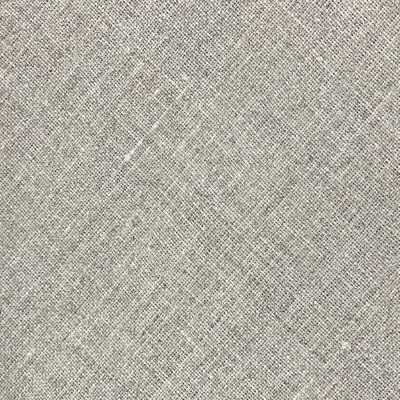
Woven interfacing is an interlining made by weaving warp and weft threads, and is a supplementary material that shapes garments and gives moderate firmness and stability to collars, plackets, belts, and other parts.

Contents6 sections
Definition and Overview
Woven interfacing is interfacing made from woven fabric as the base cloth. It is used on the back side of the outer fabric to prevent stretching and distortion while adding the shape retention, firmness, and body needed for garments. There are adhesive types with glue applied and sew-in types that are used by stitching.
It has the characteristic warp and weft properties of woven fabric, so its stretchiness and the way stiffness feels change depending on the cutting direction. For that reason, aligning the grain of the part and the interfacing leads to a stable finish.
Parts Used and Their Role
It is mainly used for shirt and blouse collars, cuffs, plackets, jacket facings and stand collars, and trouser and skirt waistbands. It helps maintain shape, improve ease of handling during sewing, and prevent stretching at the edges, where the outer fabric alone is often insufficient.
The required stiffness differs by part. For collars and plackets, keeping the outline neat is important, while waistbands need to resist folding and wrinkling. On the other hand, using interfacing that is too stiff on a broad area can hinder movement when worn.
- Collars and stand collars: keep the collar shape and neaten the edges.
- Cuffs and plackets: stabilize the area around buttons and buttonholes.
- Facings and waistbands: prevent stretching and distortion and keep the outline.
Materials and Types
The base cloth of woven interfacing uses fibers such as cotton, polyester, and rayon. Depending on the fiber type, thread thickness, weave density, and weave structure, stiffness, thickness, drape, and durability vary. It ranges from styles for lightweight fabrics to styles for heavy fabrics.
Adhesive woven interfacing has adhesive resin placed on one side in dots or a net pattern and is bonded to the outer fabric with heat and pressure. Sew-in woven interfacing does not use adhesive and is used by stitching down the seam allowance and key areas, so it is also considered when you want to avoid changes in hand caused by adhesion.
How to Choose and Points to Note
Choose interfacing based on the standard that it should not be extremely stiffer, thicker, or heavier than the outer fabric. Use thin, soft interfacing for lightweight, delicate outer fabrics, and match firmer interfacing to parts such as collars and waistbands where a clear shape is needed. Also check the stretch and surface feel of the outer fabric.
For adhesive woven interfacing, carry out trial fusing for each outer-fabric and interfacing combination. If the temperature, pressure, time, and cooling conditions are not right, problems such as delamination, bubbling, bleed-through, and fading can occur. Before mass production, confirm performance including after washing and dry cleaning.
When cutting, specify the grain of the interfacing and align the direction of left and right parts as well. Pulling too much during sewing can cause puckering due to differences in stretch between the outer fabric and the interfacing, so it is important to set proper working conditions, including the pressing process.
Differences from Similar Terms
Adhesive interfacing is a general term for interfacing that can be heat-bonded, and the base cloth may be woven fabric, nonwoven fabric, or knit fabric. Woven interfacing is a classification indicating that the base cloth is woven fabric, and it includes both adhesive woven interfacing and sew-in woven interfacing.
Nonwoven interfacing is interfacing made by forming fibers into sheet form without weaving, and its characteristics vary relatively little by direction. Knit interfacing makes use of the stretch of knit fabric and is used with stretchy outer fabrics. Haircloth interfacing is a tailoring interfacing made mainly from animal hair and other fibers.
Frequently Asked Questions
Are woven interfacing and adhesive interfacing the same?
No. Woven interfacing refers to interfacing with woven fabric as the base cloth, while adhesive interfacing is a general term for interfacing that is bonded to the outer fabric with heat. Woven interfacing includes both adhesive types and sew-in types. Since there is also adhesive interfacing with nonwoven or knit base cloth, check both the base cloth and the adhesive specification.
How should woven interfacing be chosen?
Choose it based on the thickness, stiffness, stretch, applications, and part of the outer fabric. First, check the balance of firmness and hand with the outer fabric, and select one with the shape retention you need. For adhesive types, it is important to trial fuse under the same conditions as mass production and to check for delamination and surface changes after washing.
Why does waviness or lifting appear when woven interfacing is fused?
Possible causes include differences in shrinkage between the outer fabric and the interfacing, unsuitable fusing conditions, and mismatched cutting directions. In addition to reviewing temperature, pressure, and time, make sure cooling is sufficient and confirm that you have not selected interfacing that is too stiff for the outer fabric or that has different stretch characteristics.
- Search products for "Woven Interfacing"
- Products with material "Cotton"
- Products with material "Polyester"
- Products with material "Rayon"
- Products for style "For Shirts/blouses"
- Products for style "For Pants"
- Products for style "For Skirts And Dresses"
- Products for style "For Jackets/Suits"
- Products for style "For Formal Wear"
- Browse Interfacing products