Foil Printing
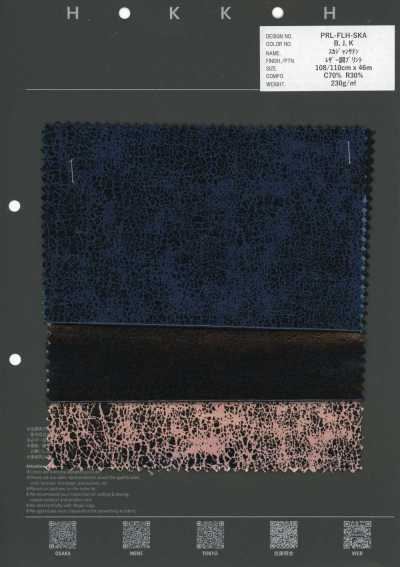
Foil printing is a process that applies a design to fabric with adhesive and transfers metallic-looking foil by heat and pressure to create a glossy design expression.
Contents6 sections
Definition and Overview
Foil printing is a process that prints adhesive onto the design area and then heat-bonds foil film on top to transfer it. In addition to effects with a metallic sheen, it can also create looks using colored foil or hologram-style foil. It is not a term for the textile structure or material itself.
“Foil stamping” is sometimes used as another name for foil printing, but it can also refer more broadly to processes that heat-bond metallic foil onto paper products and similar items. On apparel textiles, it often refers to the process of transferring foil through an adhesive layer, and the surface layer structure differs from ordinary dye or pigment printing.
Features
A feature is that foil reflection makes the design look brighter and gives it a lively, stage-costume-like presence. The strength of the sheen, the outline of the pattern, and the stiffness to the touch vary depending on the type of foil, adhesive, base textile, and the area covered by the design.
Areas with foil may lose some of the textile’s original breathability, stretch, and drape. Especially with allover designs or large solid patterns, the surface can become firmer and stiffer, and cracking of the foil, loss due to friction, or changes in sheen may occur when worn and bent.
Main Applications
Used for dresses, stage costumes, dance costumes, formal wear, and logos or motifs on cut-and-sew items. When used partially, it can be added as an accent to the neckline, sleeves, or front body. It is also sometimes used for decorations on bags and accessories.
It is often used in autumn and winter costumes or event items where a glamorous look is desired, but it is not limited by season. However, for products with a large area that comes into direct contact with the skin, it is important to confirm the stiffness of the foil area, the tendency to trap heat and moisture, and the feeling of friction through prototyping.
How to Choose and Handling Precautions
When selecting, check not only the foil color and sheen, but also adhesion to the base textile, the pattern area, and how well it follows stretching. For knit or stretch fabric, confirm whether it cracks or peels when stretched. On dark-colored textiles, foil powder may become noticeable due to friction, so testing with the actual combination is necessary.
Because it goes through a heat-bonding process, shrinkage or changes in texture may occur due to heat. Before cutting and sewing, confirm the post-process textile width, shrinkage rate, and grain direction. In sewing, foil may crack around needle holes and seams, so placement within the seam allowance, needle and thread selection, and sewing conditions should be verified in advance.
For washing, follow the product’s care label and processing conditions first. In general, the basic approach is to turn the item inside out to reduce friction, and avoid vigorous rubbing, tumble drying, high-temperature ironing, and direct ironing on the foil surface. If ironing is necessary, use a pressing cloth and check the temperature and pressure on an inconspicuous area.
- Before mass production, check appearance changes after washing, friction, and bending.
- For storage, do not stack foil surfaces tightly against each other, and avoid high heat, humidity, and direct sunlight.
- During pressing, do not press directly on the foil surface; use a pressing cloth or protective paper.
Differences from Similar Terms
Printing refers broadly to processes that express color and patterns on textile using dyes, pigments, ink, and similar materials. Foil printing may be treated as one type of printing, but its defining feature is transferring foil film to create a reflective effect. Pigment printing is a method in which pigment is fixed to textile with a resin binder, and its surface appearance and durability checks differ from those for foil printing.
Rubber printing is a process that expresses patterns with a rubber-like ink layer, while flocking is a process that creates a brushed feel by applying short fibers. These mainly produce matte or velvet-like effects, whereas foil printing is suited to metallic-sheen expressions.
Frequently Asked Questions
Does foil printing peel off when washed?
It depends on the processing conditions, type of textile, pattern area, and friction during wear. Repeated washing and bending may cause the foil to crack or partially come off. Before commercialization, test it under the intended washing method and wearing conditions, and set the care label based on the processor’s instructions.
Can foil printing be done on stretch fabric?
It is possible, but when the textile stretches, the foil may not follow and cracking or peeling can occur. Special caution is needed for highly stretchable areas and large solid patterns. Stretch the textile in directions and to a degree close to actual use, and check the appearance, adhesion, and condition after recovery.