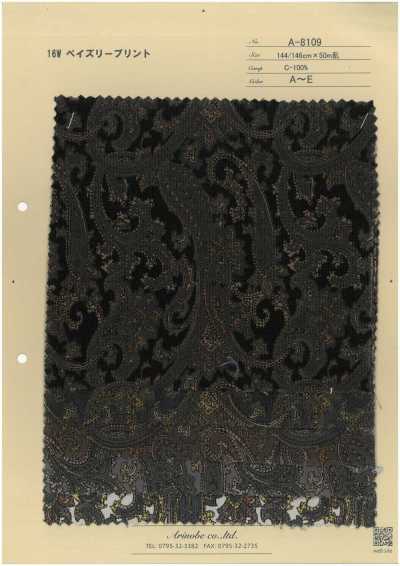
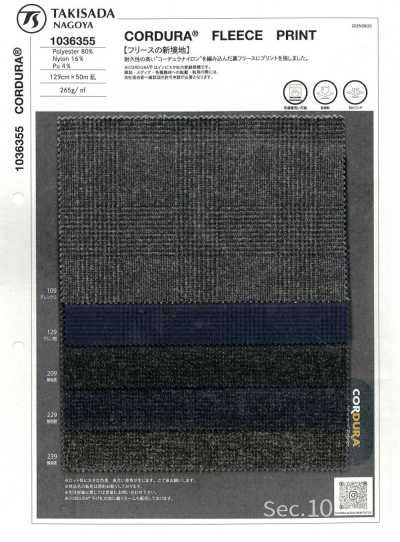
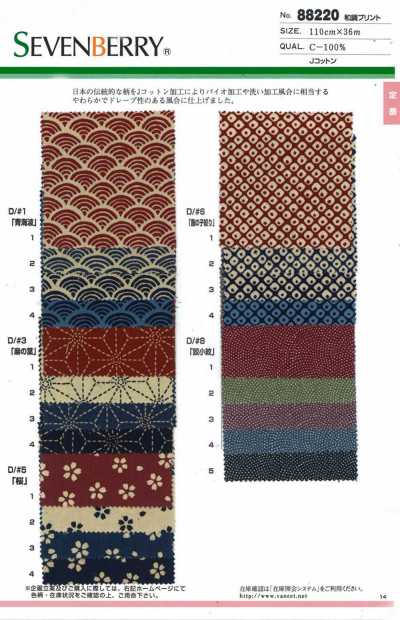
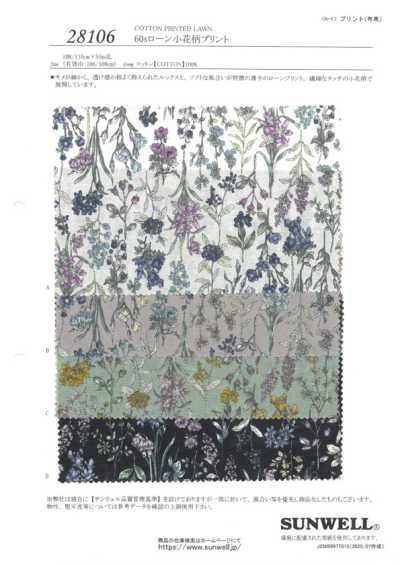
Printing is a process of expressing patterns, motifs, and text on the surface of textiles using dyes, pigments, and similar materials, and various methods are used depending on design requirements and the textile's applications.
Contents6 sections
Definition and Overview
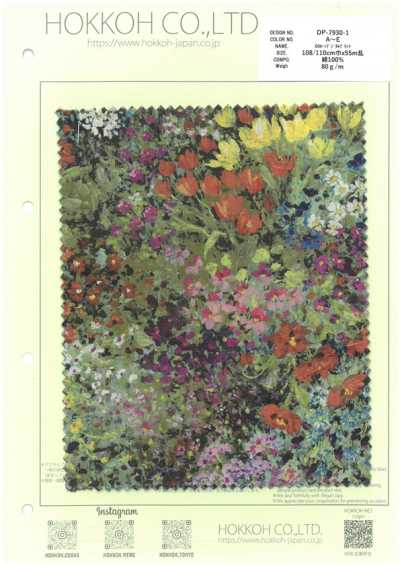
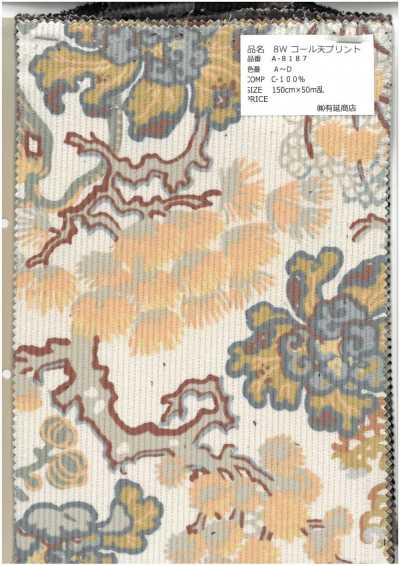
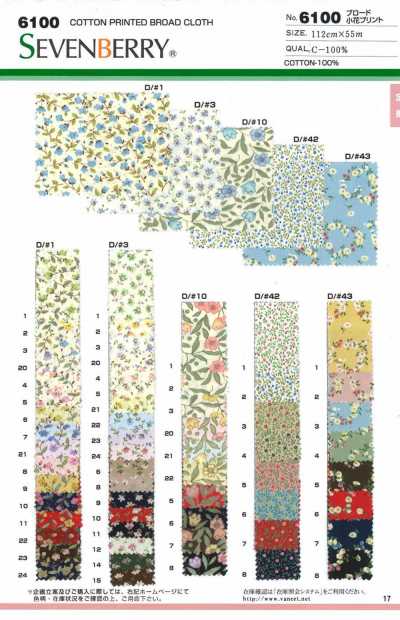
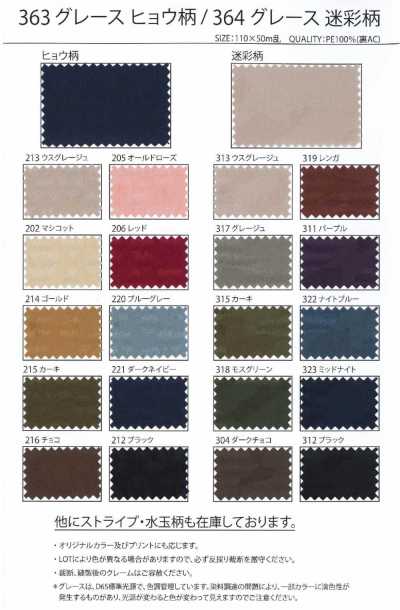
Printing is a process that adds color patterns to solid or piece-dyed textiles using screens or digital data. In the apparel field, it also refers to textiles with floral, geometric, check, logo, and other patterns.
Unlike yarn dyeing, where the yarn is dyed before weaving or knitting, printing is a method of adding patterns after the textile has been made. The processing method is selected according to the pattern expression, material, quantity, and desired hand.
Features
Printing makes it possible to add fine motifs and multicolor patterns to textiles that are difficult to express with weave or knit structures alone. Depending on the pattern size, repeat, number of colors, and whether pattern matching is required, the appearance after cutting and the fabric consumption can change significantly.
Processing methods include those that allow the colorant to penetrate and bond to the textile and those that form a film of colorant on the surface. The former tends to produce a softer hand, while the latter makes vivid colors easier to achieve, although the hand may change.
- Because patterns have a right side and wrong side, manage them carefully so they are not mixed up during cutting and sewing.
- Depending on the ground color, material, and base sheerness, the same pattern may show different color development and appearance.
- If the pattern has a direction, one-way cutting may be required.
Main Applications
Printed textiles are widely used for garments centered on pattern design, such as shirts, blouses, dresses, skirts, cut-and-sew items, and children’s wear. They can be processed from lightweight to heavyweight fabrics, and suitable items and seasons vary depending on the base fabric.
In addition to clothing, they are used for bags, accessories, linings, and interior applications. Depending on the application, it is important to check the required performance, such as resistance to friction, colorfastness during washing, and staining caused by combination with light-colored items.
How to Choose and Handling Notes
When selecting, check not only the pattern design but also the base fabric structure, blend ratio, thickness, stretchability, printing method, and hand. In mass production, color differences and pattern-position variation may occur from roll to roll, so acceptable ranges between the sample and the mass-produced items should be agreed in advance.
Before sewing, confirm the pattern orientation, left and right sides, repeat size, and pattern matching at seams. In particular, large patterns, borders, stripes, and panel patterns require attention because cutting layout affects the appearance of the product and fabric consumption.
The degree of color loss, color transfer, and fading caused by washing and friction varies depending on the colorant, base fabric, and processing conditions. Follow the care label, wash dark-colored items separately, and test the iron on an inconspicuous area before pressing during sewing.
Differences from Similar Terms
Yarn dyeing is a method in which the yarn is dyed first and then the pattern is formed through weaving or knitting. It is characterized by the natural appearance created by the interlacing of yarns, and the front and back may look different from printing. Printing adds the pattern to the surface of the textile, making it easier to express complex designs.
Piece dyeing refers to dyeing a textile as solid and does not necessarily add patterns. Screen printing is a technical term used almost synonymously with printing. Also, pigment printing and dye printing differ in their colorants and bonding mechanisms, and their tendencies in hand and durability also differ.
Frequently Asked Questions
How do you tell printed textiles apart from yarn-dyed textiles?
Because printing adds the pattern to the surface, the pattern may appear faint or barely visible on the reverse side. Yarn-dyed textiles are made by forming the structure or pattern with dyed yarns, so patterns tend to appear on both the front and back. However, there are exceptions depending on the process and structure.
What should you be careful about when sewing printed textiles?
Check the pattern orientation and left-right direction, and decide the pattern position for each piece before cutting. With large patterns, borders, and stripes, it may be necessary to match the pattern between the front and back bodies or left and right sleeves, which can increase fabric consumption beyond normal. Because needle marks from resewing are also more noticeable, carry out a test seam first.
Do printed textiles fade when washed?
The likelihood of color loss and color transfer varies depending on the colorant, base fabric, whether the color is dark or light, and the processing conditions. Before use, check the care label and information on durability, and especially consider washing dark-colored items separately. Attention is also needed for color change or fading caused by friction, sweat, and sunlight.