Hook and Eye
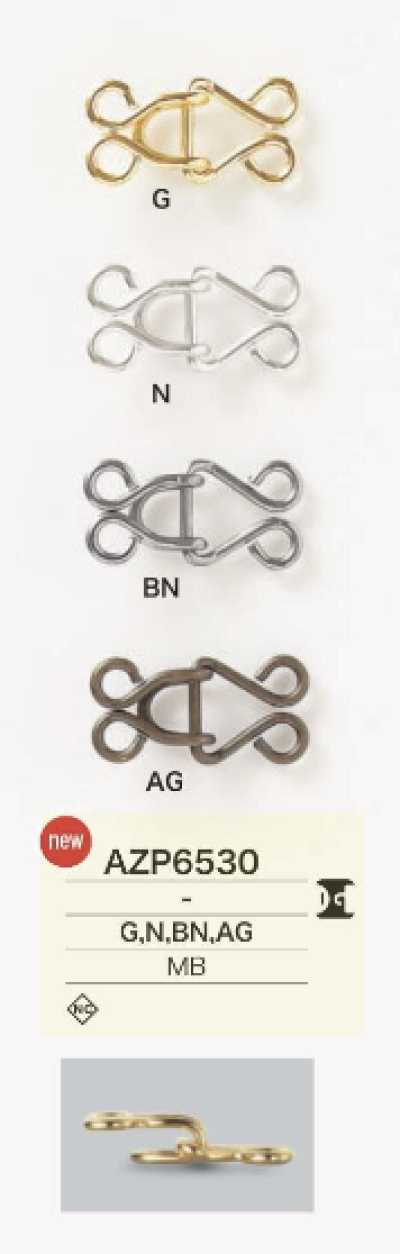
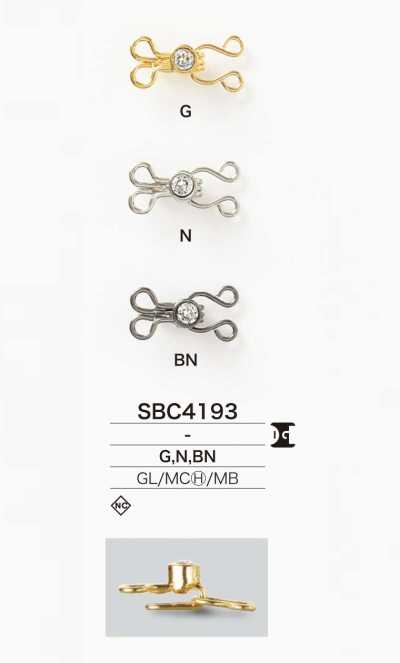
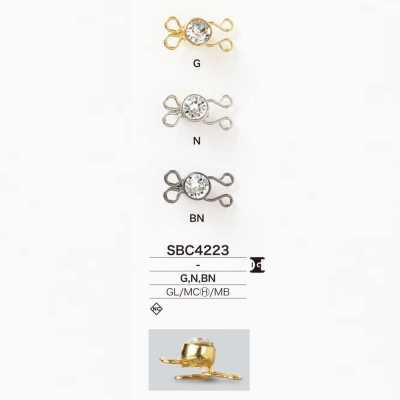
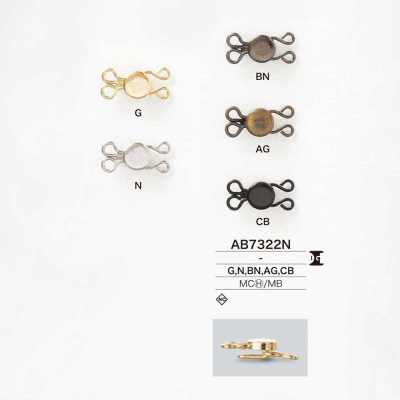
A spring hook is a sew-on metal hook-and-eye closure that combines a hook-shaped hook and a receiving eye, and is mainly used to open and close the overlapping parts of garments.

Contents6 sections
Definition and Overview
A spring hook is a fastening device that closes by hooking a hook onto an eye. Because it is thin and does not add much bulk, it is easy to hide inside the outer fabric or in overlapping sections, and is used for auxiliary fastening at the front opening, neckline, waist area, and similar places.
Materials and Structure
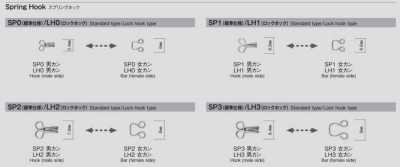
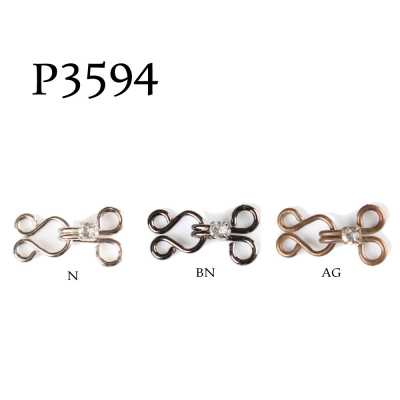
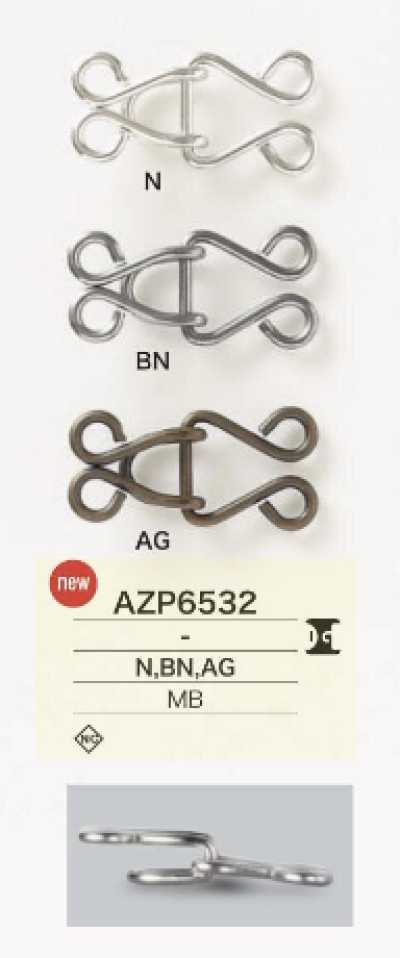
It is generally made of metal, with the hook side and eye side used as a pair. The hook is a hook-shaped part whose tip catches the eye, and the eye is a looped or bar-shaped part that receives the hook. Each part has holes or a sewing base for attaching it to the fabric.
Materials include brass and iron, and some are plated on the surface. Depending on the shape of the parts, the thickness of the wire, and the size of the base, the stability when fastened, the appearance, and the thickness of fabric it can handle will vary.
How to Attach and Align
Many spring hooks are sewn on after the attachment position is determined. On thin fabrics where the stitching may show through on the face side, check the sewing position and thread color, and if necessary attach them to the facing or lining side.
Align the hook and eye opposite each other at the position where the product lies flat and overlaps naturally. If the positions are off, it can cause the front edge to gape, twist, or pull. It is important to repeatedly open and close it after basting, and confirm the left-right height and overlap amount.
A spring hook is usually a part attached by sewing. Its structure and attachment method differ from snap hooks that are installed by pressing in with a special tool or press, so avoid selecting it on the assumption that it will be press-installed.
Main Applications
It is used at the front edge of jackets and coats, at the waist of skirts and pants, at the neckline, and at openings in dresses. It is used to provide auxiliary fastening for areas that would open too easily with only a zipper or button, or in designs that do not want the fastener to stand out from the front.
- Auxiliary fastening at the front edge or overlap
- Preventing openings at the neckline or bust area
- Around the waist of skirts and pants
- Hidden fastening for formalwear and costumes
Selection and Usage Notes
Select the size and shape based on the force applied to the location of use and the thickness of the fabric. For areas subjected to strong pulling or heavy fabrics, consider reinforcing the base with seam allowance or interfacing so the sewn section does not come loose. It is also necessary not to place excessive load on the hook alone.
Because it is a metal part, products that require needle inspection should be managed for finished-product needle detection in addition to measures against needle breakage during the sewing process. Also, check for differences in plating color, discoloration due to washing or sweat, and considerations for metal at positions that touch the skin directly, in line with the product application and quality standards.
Snap hooks and jumper hooks are hooks that fasten by pressing in male and female metal parts. In contrast, a spring hook is basically a sewn-on type that hooks together a hook and an eye. A hook and eye closure refers to a sturdier fastening device mainly used for the front opening of pants and skirts.
Frequently Asked Questions
Can a spring hook be attached by hand sewing?
Yes. Use the sewing holes or base of the part to firmly sew the hook side and eye side to the fabric separately. Secure the beginning and end of the stitching, and check that the part does not lift when the outer fabric is pulled.
What is the difference between a spring hook and a snap hook?
A spring hook fastens by hooking a hook and eye together, and is generally attached by sewing. A snap hook is a type that combines male and female parts and is fixed to the fabric with a pressing tool or press. The component structure, attachment method, and feel during opening and closing are different.
What happens if the attachment position of a spring hook is off?
The edge of the overlap may open, or the left and right front edges may twist, impairing the appearance and opening/closing performance when worn. Check not only when the product is laid flat, but also when it is actually overlapped and lightly tensioned, to confirm that the hook and eye fit together without strain.
- Search products for "Spring hook"
- Products with material "Brass"
- Products with material "Iron"
- Products with material "Metal"
- Products for style "For Jackets/Suits"
- Products for style "For Pants"
- Products for style "For Skirts And Dresses"
- Products for style "For Formal Wear"
- Products for style "For Costumes/dresses"
- Browse Hook products