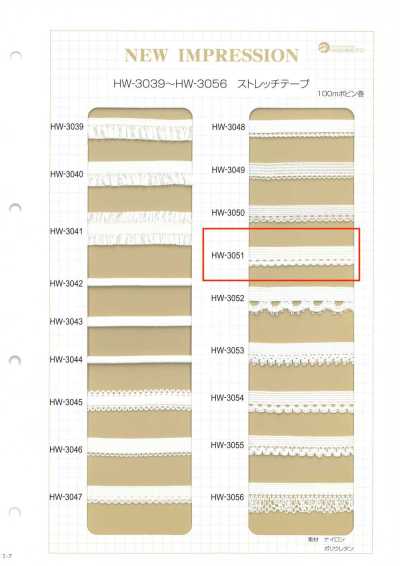
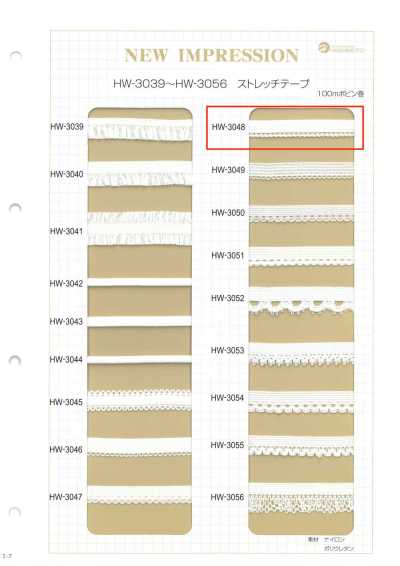
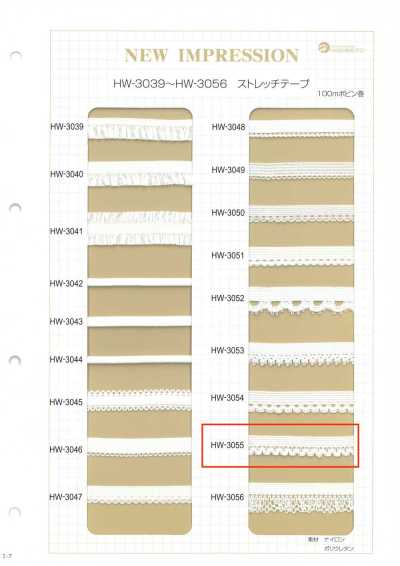
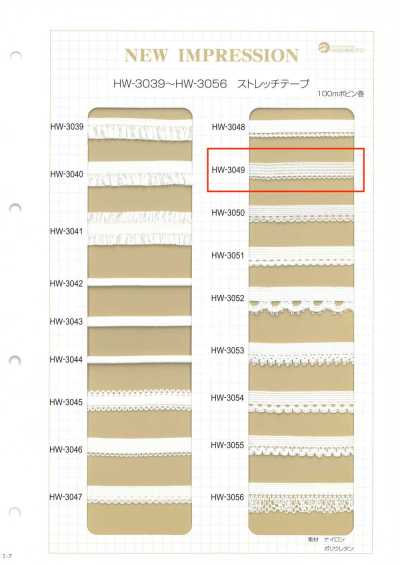
Picot Tape
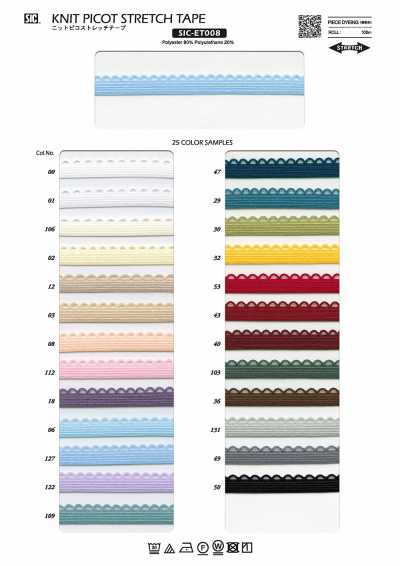
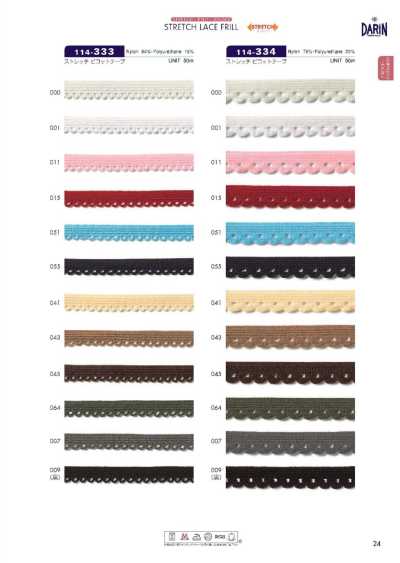
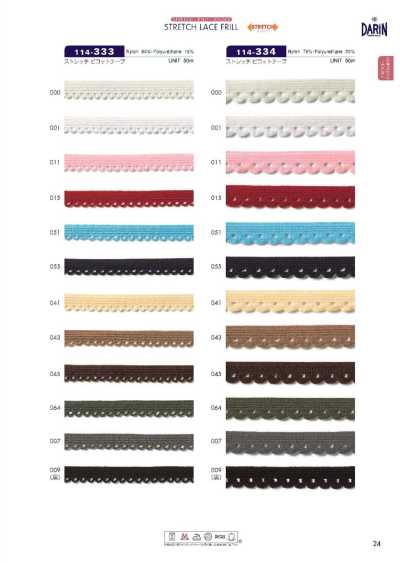
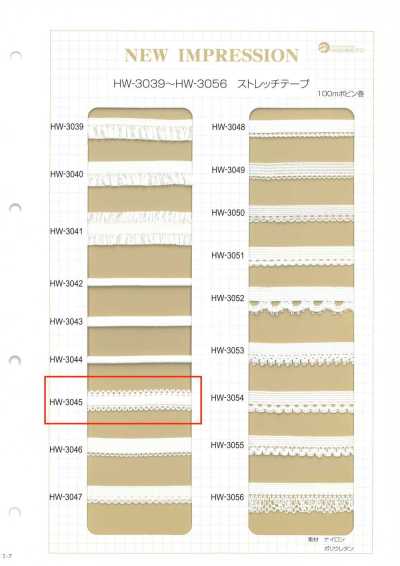
Picot tape is a narrow tape used for edging clothing and accessories, with picots—small looped or pointed decorative details—arranged along one side or both sides.
Contents6 sections
Definition and Overview
Picot tape is an apparel material with a series of small looped or pointed decorative elements along the edge of the tape. A picot refers to a small protruding design on the edge, adding a light and delicate look to straight cut edges and seam lines.
For garments, it is often narrow and is sewn on to be shown as decoration, and it may also be used to finish an edge. However, it does not always have the function of completely preventing fraying, so finishing appropriate to the specification is necessary.
Materials and Structure
Materials include polyester, nylon, and cotton, and they differ in luster, softness, dyeability, and dimensional change after washing. The shape of the picot and the feel against the skin also vary depending on the type of yarn and processing.
The structure is not limited to woven fabrics, and it is also made by knitting or braiding. Depending on the relationship between the tape body and the row of picots, and the density of the selvedge area, stretchability, fraying at the cut edge, and ease of handling during sewing differ.
How to Read the Width and Main Applications
Width is generally indicated by the distance from one edge of the tape to the other, but in some cases it is shown using only the width of the body section. Whether the protruding dimension of the picot is included depends on the standard, so check with a sample or specification sheet when ordering.
It is used for decoration of necklines, cuffs, hems, plackets, and ribbon ends on innerwear, lingerie, nightwear, children's clothing, blouses, dresses, and more. It is also suitable for uses that create a soft decorative expression when combined with gathers or lace.
- For straight sections, tape with little stretch is easier to sew.
- For curved sections, check the flexibility of the tape and the direction of the picots.
- Where it touches the skin, also check the hardness of the yarn ends and picots.
Selection and Handling Notes
When selecting, check the overall width, body width, picot size, material, thickness, luster, stretch, and compatibility with the textile to be sewn on. For lightweight fabrics, choose a light tape; for firm fabrics, choose one that keeps its shape more easily, which makes it easier to balance the finished look.
If a stretchy product is sewn on while stretched, waviness or shrinkage may occur after sewing. Check the stretch of the tape before sewing, and if necessary, handle it in the same state as the fabric. Shrinkage from washing or steam, color loss, and fraying at the picot edge should be checked through prior testing.
Differences from Similar Terms
Picot tape refers broadly to narrow tapes with a picot design. Picot lace often refers to lace fabric or lace tape with openwork patterns and the like, and the structure and appearance differ.
Braid is a broad term for decorative tapes and does not specifically indicate the presence or absence of picots. Bias tape is a tape for binding fabric edges, and its purpose differs from picot tape, which is primarily for edge decoration.
Frequently Asked Questions
Does picot tape stretch?
It depends on the product. Those with a knit structure or elastic yarn tend to stretch more easily, while woven products tend to stretch less. Even products that look the same can differ in stretch, so it is important to pull them and check for each usage direction and make a prototype before sewing.
Where do you measure the width of picot tape?
In many cases, the overall width including the picot projection is measured, but sometimes only the width of the body section is shown. In the specification sheet, separating the overall width, body width, and picot projection width helps prevent misunderstandings.
Can picot tape be used for edge finishing?
It is suitable for decorative edging, but the tape itself does not necessarily stop fraying at the cut edge. Please confirm whether to use it together with finishing appropriate to the fabric and design, such as folding the fabric edge inward or overlocking it.