Fringe
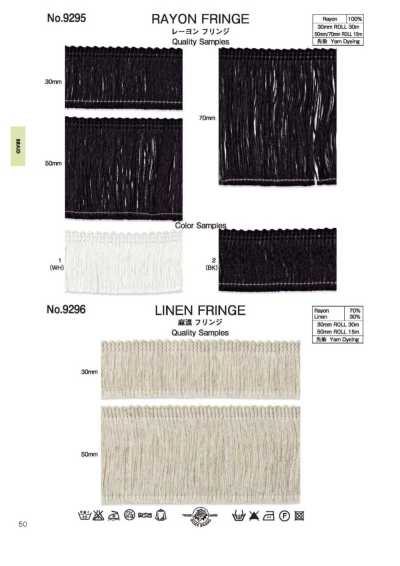
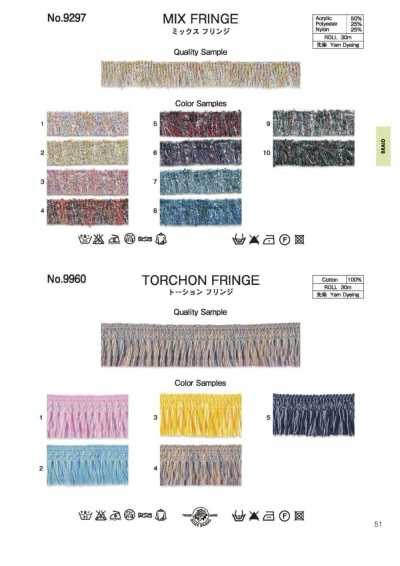
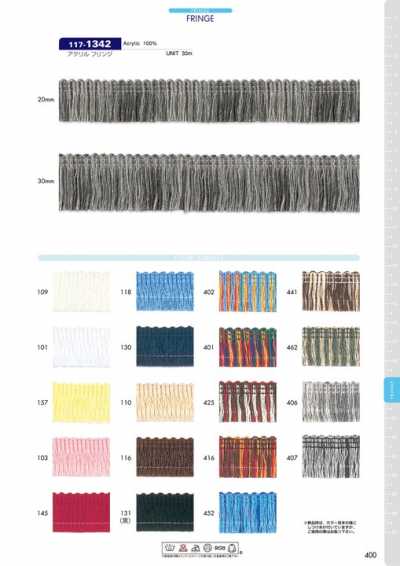
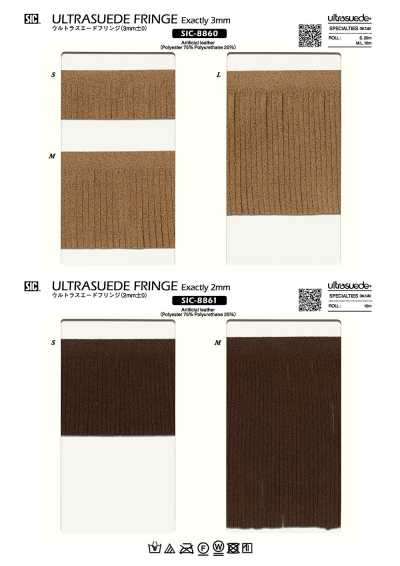
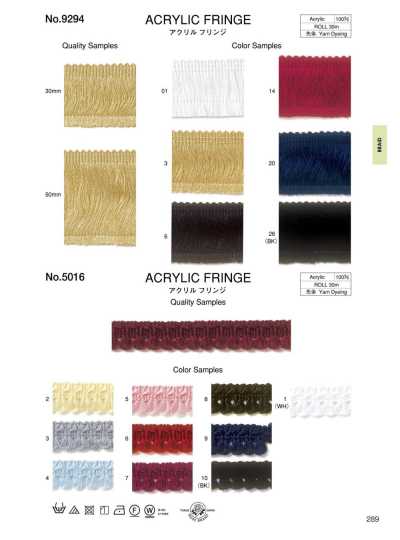
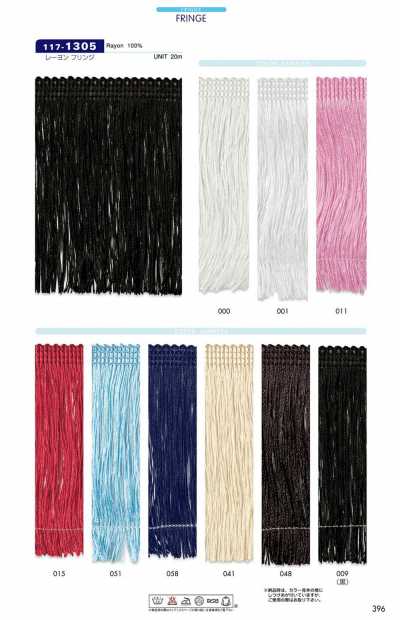
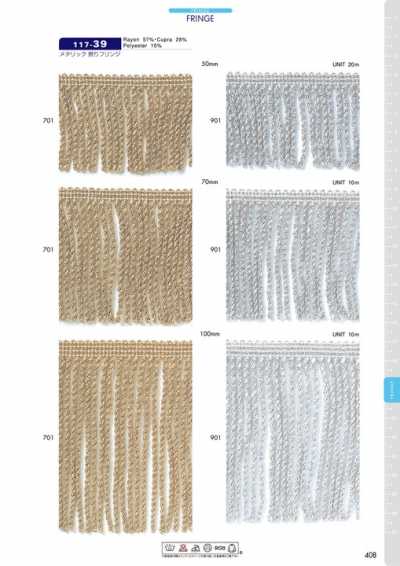
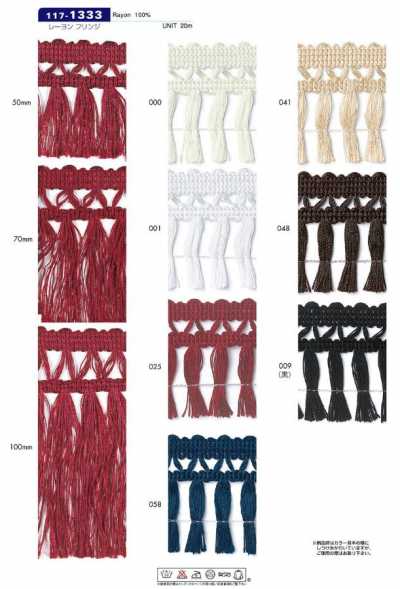
Fringe is a decorative trim made by continuously hanging threads, cords, or short tassels from the edge of a tape or textile, adding movement and dimension to clothing, bags, and interior products.
Contents5 sections
Definition and Overview
Fringe refers to a decoration in which multiple yarns, cords, or tufted parts hang down in one direction. In addition to pieces attached and sewn onto a tape-like base, there are also those made by unraveling the warp or weft yarns at the edge of a textile. Because it creates movement and shadow, it greatly changes the look of a product.
Fringe handled as a trim generally consists of a sewing head or tape section and a hanging tassel section. Depending on the length, density, yarn thickness, and sheen of the tassel section, it can express anything from a delicate impression to a substantial one.
Materials and Structure
Materials used include cotton, polyester, nylon, rayon, acrylic, wool, and silk. Filament yarn tends to create smoothness and sheen more easily, while spun yarn tends to create softness and a natural appearance more easily. Depending on the material, resistance to friction, water absorbency, and the feel after washing differ.
Structures include those in which the tape and tassel are integrated by weaving, those made by knitting to provide stretch and lightness, and those made by combining multiple yarns into a cord-like tassel. Fringe made simply by unraveling the edge yarns of a textile and fringe tape sewn on as a separate part differ in design and sewing method.
- Woven fringe: the base tends to be stable, and the appearance is relatively neat.
- Knitted fringe: it may be flexible and stretch easily, so care is needed to avoid pulling during sewing.
- Braided fringe: it is easy to create a cord-like, tufted dimensional look, and the weight may increase.
How to Read Dimensions and Main Applications
Fringe is generally checked by the overall width, the width of the tape section to be sewn, the length of the tassel section, and the thickness of the yarn or cord. Since the overall width alone makes it difficult to judge the finished position, it is important to check whether the tape section is hidden in the seam allowance or visible on the front side by referring to the specification sheet or the actual item.
In apparel, it is used as decoration for hems, cuffs, collars, yokes, pocket openings, belts, and more. It is also used as an accent for bags and shoes, as decoration to emphasize movement in stage costumes and dresses, and as edge decoration for cushions and curtains.
Selection and Handling Notes
When selecting it, check the tassel length, density, drape, weight, and thickness of the base in relation to the intended use. Long tassels or heavy cords can easily pull on the sewn area, so with thin fabrics it may be necessary to reinforce the seam allowance or consider the sewing position. In moving parts or areas with significant friction, tangling and fuzzing should also be considered.
Fringe may fray at the yarn ends or become tangled due to friction during washing or wear. Depending on the material and structure, moisture, heat, and drying may cause shrinkage or stretching, so before mass production, washing tests and appearance checks are performed on the finished product. During washing, the tassels may become tangled with other items, so the care label and the suitability of the trim should be considered together.
Braid mainly refers to a broad category of tape-like decorative materials and does not necessarily have hanging tassels. Tassel often refers to a standalone or relatively large tufted ornament with a head at the end of bundled yarns, and its shape differs from fringe, which has continuous tassels.
Frequently Asked Questions
Which part of the fringe is measured for width?
In general, the overall width including the sewing tape section and the tassel length from the tape section to the tassel tip are checked separately. Even with the same overall width, if the tape section width differs, the visible tassel length on the product surface and the sewable position will change. Before placing an order, please check the reference point for the dimensions.
Can fringe be machine washed at home?
Whether washing is possible depends on the material, how the yarn is fixed, the dyeing conditions, and how it is attached to the product. Because changes such as tangling, fraying, shrinking, and fuzzing may occur, perform a preliminary test under the same conditions as the product, and if necessary, consider handling methods such as using a laundry net.
- Browse Fringe products
- Browse Fringe products
- Products with material "Cotton"
- Products with material "Polyester"
- Products with material "Nylon"
- Products with material "Wool"
- Products with material "Silk"
- Products with material "Linen"
- Products with material "Rayon"
- Products with material "Acrylic"
- Products for style "For Costumes/dresses"
- Products for style "For Bags"
- Products for style "For Interiors"
- Browse Ribbon, Tape, Cord products