Safety Pin
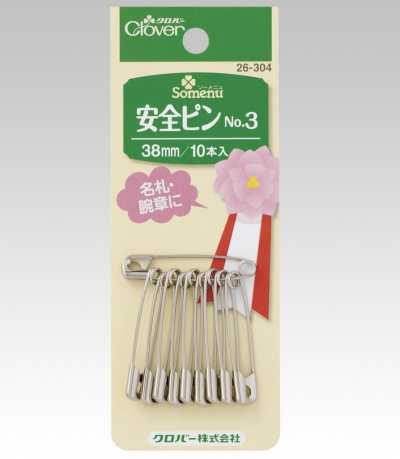
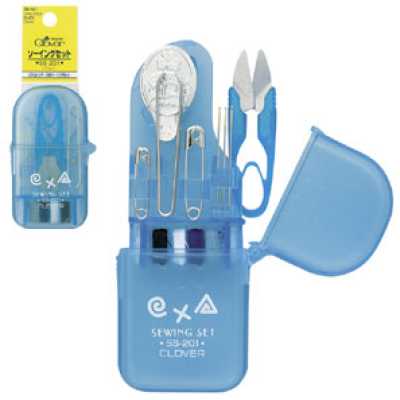
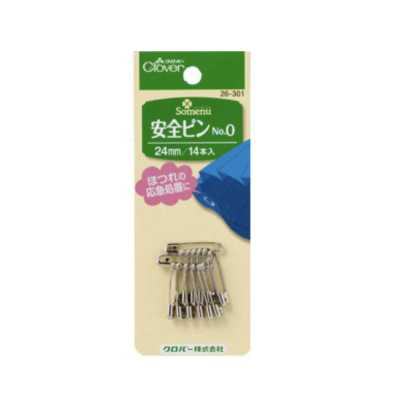
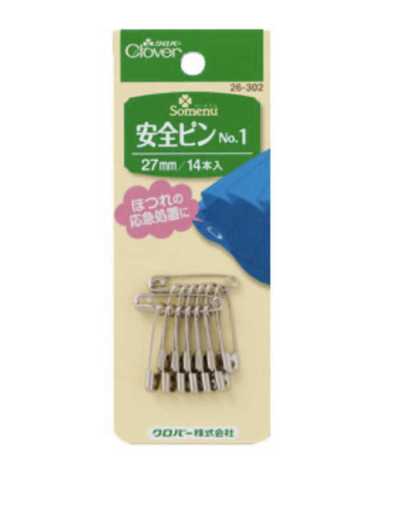
A safety pin is a fastening device that can be secured by tucking the tip into the clasp, and it is used for temporary fastening of fabric and accessories, basting, and attaching tags.

Contents5 sections
Definition and Overview
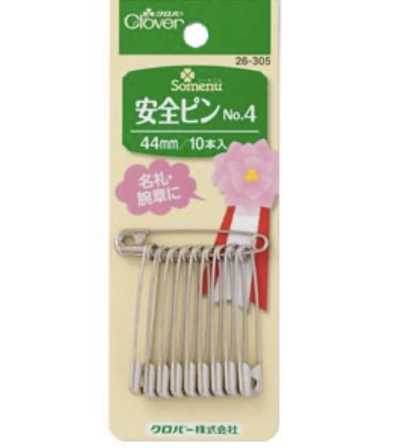
A safety pin is a pin with a structure in which a springy metal wire is bent and the tip is hooked onto the catch to close it. Because the tip is covered, it is less likely to come loose than a regular straight pin, and the tip is less likely to be exposed during use.
In apparel work, it is used for temporary fastening before and after cutting, basting, temporary size adjustments during fitting, and temporary attachment of hangtags and labels. It is not a permanent fastening method to replace stitching, but an auxiliary tool intended to be removed as needed.
How to Use and Suitable Situations
When securing fabric, make sure the tip is fully inserted into the catch and confirm that it is closed. Choose a position on the face side of the textile where the tip and catch will not stand out, and secure it so as not to interfere with the seam line, pattern placement, or cutting line.
For basting applications, securing it so that it spans the area to be sewn makes it easier to prevent parts from shifting. However, because the thickness of the pin may cause the textile to lift, use basting thread or straight pins separately for fine sewing or precise pattern matching.
- Temporary adjustment during fitting
- Temporary fastening of parts before sewing
- Temporary attachment of hangtags and accessories
- Temporary securing of costumes and decorative parts
Types and How to Choose
When selecting one, check the length, wire diameter, ease of opening and closing, shape of the catch, and surface finish. If there are many layers of fabric to fasten, one with sufficient length and strength is suitable. For thin fabrics, consider one with a finer tip that helps reduce holes and puckering.
In addition to the standard type, there are types with a structure that makes them less likely to come loose during basting work, types that also serve a decorative purpose, and types designed with the material and surface finish to help prevent rust. Choose the metal type and finish according to the usage environment, contact with the product, and appearance requirements.
A straight pin is a pin used to hold position while fabric is layered, and it generally has a head that protrudes outward. By contrast, a safety pin encloses the tip in the catch and closes, making it suitable for temporary fastening during carrying or while wearing. Temporary fastening clips are suitable for materials where you want to avoid pinholes, but they have limitations in use on thick areas and detailed sections.
Care and Safety Precautions
After use, wipe off lint and moisture and store it in the closed state. In humid places, rust and discoloration may occur, so for long-term storage, keep them separated in a dry container. Do not use ones that are stiff to open or close, bent, or have a dull tip.
When used on clothing being worn, secure it in a place that is less likely to touch the skin and less likely to be stressed. For products for infants and toddlers or uses involving a lot of movement, it is important not to use a safety pin as a permanent fastener, considering the risk of detachment, breakage, injury, and accidental swallowing.
Because it is dangerous if left in the product or sewing process, manage the number used and confirm recovery after the process. In production that uses needle detectors, handle it in accordance with needle detector compatible operations and rules for preventing foreign matter contamination.
Frequently Asked Questions
Can a safety pin be used instead of a straight pin?
It can be used for rough temporary fastening or in places where you want it to be less likely to come loose during transport. However, a safety pin is thick and may push the fabric up. For detailed positioning, curved seams, and delicate work on thin fabrics, straight pins or basting thread may be more suitable.
Do holes made by a safety pin remain?
Whether holes remain depends on the fabric density, thread thickness, finish, and the wire diameter and tip condition of the pin. They may be less noticeable on loosely woven fabrics, but marks may remain on thin fabrics, coated fabrics, and synthetic leather. Check beforehand in an inconspicuous area.
Can a safety pin be left on during washing?
It should generally be removed before washing. If the metal part is exposed to moisture and detergent ingredients for a long time, rust or discoloration may occur, or dirt may transfer to the fabric. Also, if it comes loose inside the washing machine, it may damage clothing or the machine, so caution is required.