Sashiko Thread
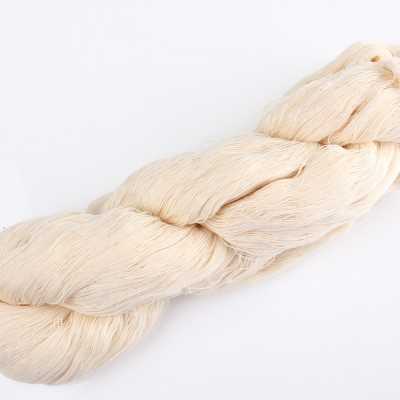
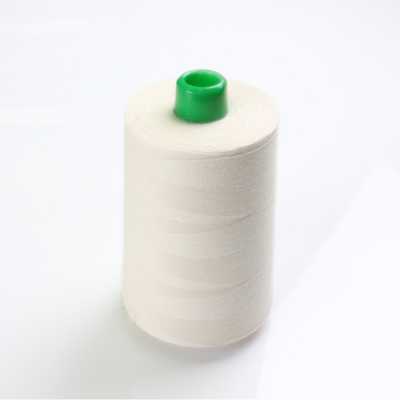
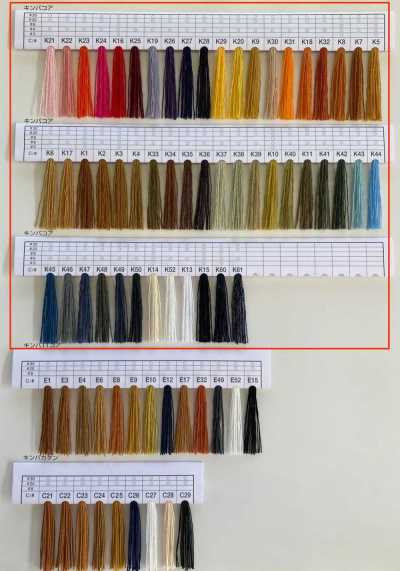
Sashiko thread is a hand-sewing thread used for sashiko stitching, with a thickness and texture that make the pattern lines easy to see.
Contents6 sections
Definition and Overview
Sashiko thread is the thread used for sashiko, which creates patterns on fabric with evenly spaced stitches. To make the sashiko stitching stand out while serving both reinforcement and decoration, it is generally thicker than ordinary sewing thread and easy to handle by hand. In addition to traditional patterns, it is also used for decorative stitching on apparel and fashion accessories.
Materials, Twist, and Structure
Many sashiko threads are made mainly from cotton, and their features include a soft appearance and easy blending with fabric. However, materials, dyeing, and finishing vary by product, so the composition and care instructions should be checked individually. For products intended to be washed, differences in color bleeding and shrinkage relative to the fabric should also be checked.
In general, sashiko thread often has a structure made by twisting together multiple strands, making it easier to produce a stable, bold line. Threads with a looser twist tend to create a fuller appearance, while threads with a tighter twist produce a relatively clearer outline. Some products are designed so the strand can be split during use.
How Thickness Is Expressed
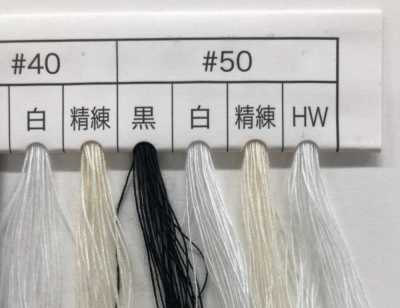
The thickness of sashiko thread is indicated by count, nominal count, or terms such as thick and thin. However, the standards for count and the way it is expressed may differ by manufacturer, so thread thickness cannot be directly compared with other threads based on the same notation alone. Use a thread sample on the fabric to check how the stitches fill in and how the line appears.
Count is mainly an indication of thread thickness, and with cotton thread, a smaller number generally tends to mean a thicker thread. On the other hand, nominal counts for sashiko thread may also include original standards and customary notation, so it is practical to check the thread length, weight, and actual thickness as well.
Main Applications
The main applications are sashiko pattern stitching, mending, and reinforcement stitching. In sashiko, where fine stitches are made continuously on durable fabric, the impression of the pattern and its sense of unity with the fabric change greatly depending on the thread color and thickness. In apparel, it may be used as an accent at pocket openings, yokes, cuffs, and similar areas.
It is also used for decorative purposes on bags, pouches, fabric accessories, and quilted items. Because the stitches become part of the surface design, its purpose differs from sewing thread used for machine seaming. In areas that require high sewing strength, do not rely on sashiko thread alone; instead, consider sewing thread and reinforcement methods suitable for the specification.
Selection and Sewing Precautions
Select the thread thickness according to the fabric thickness, weave density, and the fineness of the design. If a thread that is too thick is used on a thin or tightly woven fabric, needle holes may become noticeable or the fabric may pucker. When stitching a large design with thick thread, leave sufficient spacing between the stitches and the thread.
Choose a needle with an eye that allows the thread to pass through smoothly, while not making the holes in the fabric excessively large. Pulling the thread too tightly can cause the fabric to shrink and distort the pattern. Before cutting or before full-scale production, perform sample stitching and washing tests to check color transfer, shrinkage, and changes in the stitches.
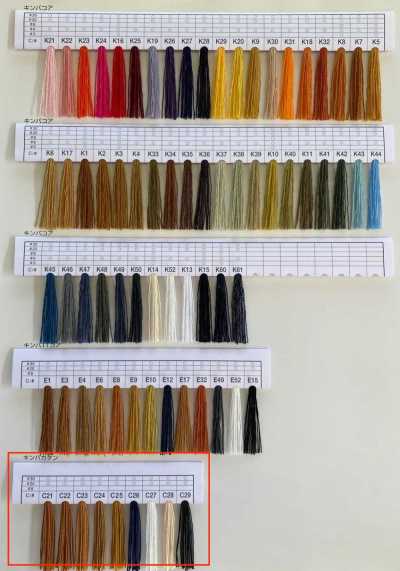
- Check the color difference between the thread and the fabric, as well as color transfer during washing.
- Adjust the stitch length and thread spacing according to the density of the design.
- When using multiple strands, prevent untwisting and tangling.
- For mass production, check for color variation between thread lots.
Frequently Asked Questions
What is the difference between sashiko thread and embroidery thread?
Sashiko thread is a relatively thick hand-sewing thread used to make the continuous stitches of sashiko stand out clearly. Embroidery thread supports a wide range of embroidery techniques, such as filling areas, adding sheen, and creating fine detail. They can sometimes be used in place of each other, but thickness, twist, and splitability should be checked through test stitching.
Can sashiko thread be used on a sewing machine?
Sashiko thread is mainly intended for hand sewing, so whether it can be used on a sewing machine depends on the product specifications. Depending on thickness and fuzz, it may cause poor passage through the needle hole, irregular thread tension, or skipped stitches. When decorative stitching is done with a sewing machine, test the needle, upper and lower threads, and sewing speed in advance.