Yoryu (Wrinkle Crepe)
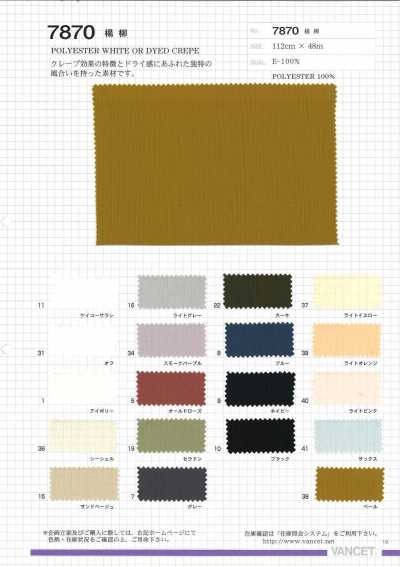
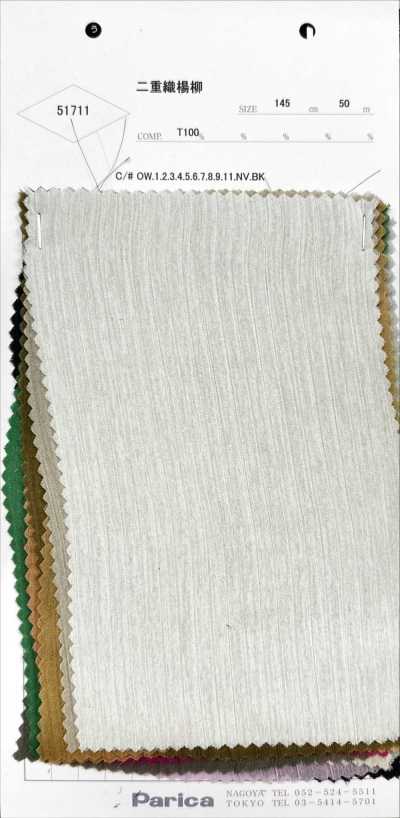
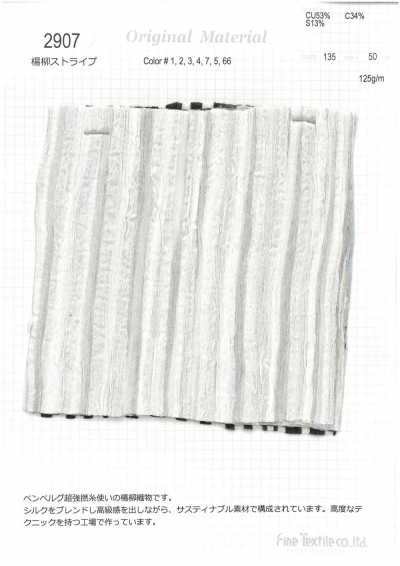
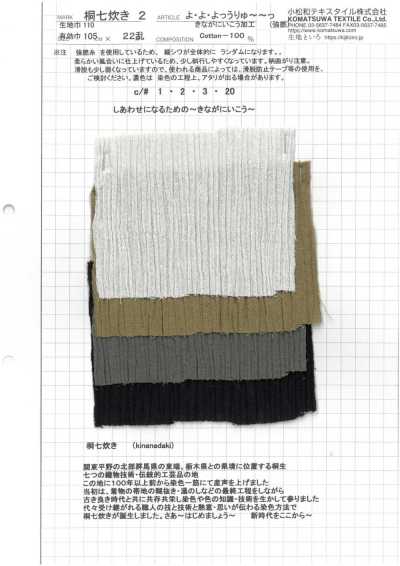
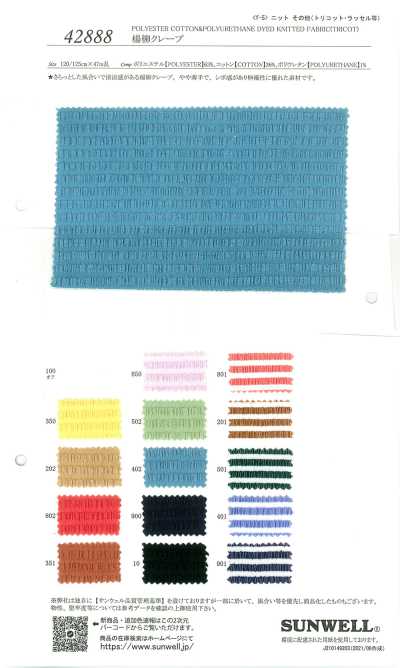
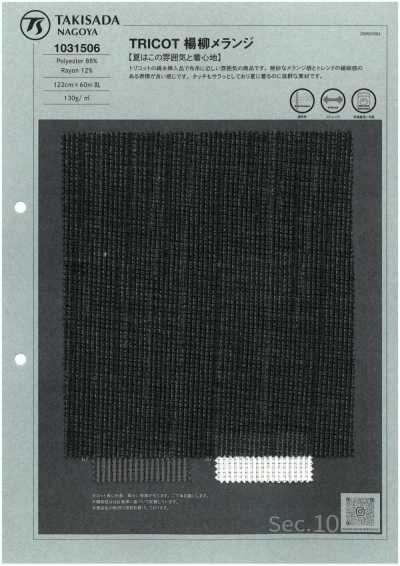
Yoryu is a woven fabric characterized by a dry touch and breathability, with fine warp-direction wrinkles on the surface, often created using strongly twisted threads.
Contents6 sections
Definition and Overview
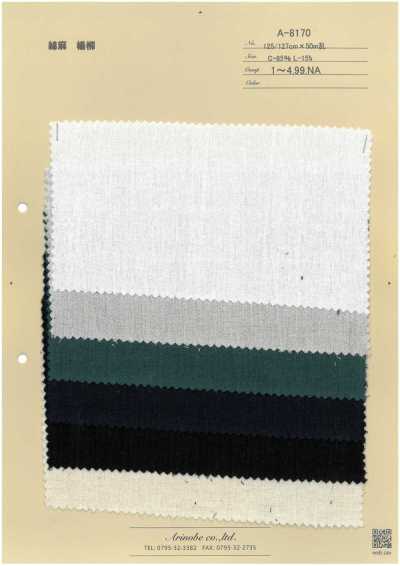
Yoryu is a textile characterized by fine vertical wrinkles like willow leaves. The wrinkles are the uneven texture on the textile surface, and they are often created by using highly twisted yarn and taking advantage of the yarn’s tendency to untwist.
Thin Yoryu made with cotton is well known, but versions made with rayon, polyester, and blends or union fabrics also exist. Depending on the material, yarn thickness, density, and finishing, the sheerness, drape, and strength of the wrinkles can vary greatly.
Features
The surface unevenness tends to reduce the area where the textile touches the skin, making it easy to achieve a dry, non-clinging feel. In lightweight product numbers, lightness and breathability can also be expected, but actual moisture absorption and quick-drying performance need to be checked according to the material and processing.
The vertical wrinkled texture gives character even in solid fabrics, creating a natural, cool-looking appearance. On the other hand, the shape and spacing of the wrinkles can vary from piece to piece or lot to lot, and the appearance of patterns and prints also changes compared with smooth textiles.
Main Applications
Yoryu is used for items such as shirts, blouses, dresses, and skirts that make use of a light and cool feel. It is especially well suited to spring and summer clothing and to silhouettes with a relaxed fit.
Taking advantage of its non-clinging feel, it is also used for nightwear such as pajamas and for innerwear. Because thin fabrics may be somewhat sheer, lining, layered construction, and color selection should be considered according to the intended use.
Selection and Handling Notes
When selecting, check not only the material composition but also the direction and strength of the wrinkles, fabric width, fabric weight, sheerness, and dimensional change after washing. Because the wrinkles change how width and length appear compared with flat textiles, it is important to confirm the actual material and decide the required yardage from that.
Washing, moisture, and heat may change the appearance and dimensions of the wrinkles. Before mass production, check shrinkage and appearance changes with the intended washing method, and perform relaxing or boiling treatment in water as needed. If the iron is pressed too firmly, the uneven texture may be flattened, so use a pressing cloth and handle it at the temperature suited to the specification.
During cutting, do not stretch the textile excessively; smooth the wrinkles into their natural state before laying it out. In sewing, thin or drapey materials are prone to seam slippage, so adjust the needle, thread, and feed conditions with test sewing. Since the vertical wrinkles are prominent, also check the grainline and how the parts look relative to one another.
- Check the care label and the textile maker’s handling conditions.
- Stabilize the textile before and after cutting, and confirm dimensions.
- Avoid measuring or pressing while the wrinkles are stretched out.
Differences from Similar Terms
Crepe is used as a general term for textiles with a wrinkled surface created by highly twisted yarn and similar methods. Yoryu is the term used for the type characterized by fine wrinkles flowing in the vertical direction. However, in distribution, both names may be used together, as in yoryu crepe.
Seersucker also gets a non-clinging feel from its uneven surface, but it mainly shows relatively regular striped puckering through differences in warp tension or weave structure. By contrast, yoryu is fundamentally expressed as fine vertical wrinkles caused by the shrinkage of highly twisted yarn.
Frequently Asked Questions
Is yoryu a summer textile?
Thin yoryu made with cotton or similar materials is often used for spring and summer clothing because of its breathability and non-clinging feel. However, yoryu is a term related to the weave structure and surface expression, and thickness and material vary widely. Whether it is suitable for autumn and winter should be judged by fabric weight, material, density, and finishing.
Does yoryu shrink when washed?
Depending on the material, processing, and how the wrinkles are formed, yoryu may change in dimensions and wrinkle appearance after washing. In particular, items containing natural fibers need shrinkage to be checked. Before planning and sewing, carry out a washing test, reflect the shrinkage rate in the pattern and yardage, and handle it according to the care instructions.
What is the difference between yoryu and seersucker?
Both have surface unevenness and make it easier to avoid sticking to the skin, but the way the uneven texture is created is different. Yoryu is basically characterized by fine vertical wrinkles that make use of the properties of highly twisted yarn. Seersucker is characterized by relatively regular striped puckering created by differences in warp tension or weave structure.