Bamboo Fiber
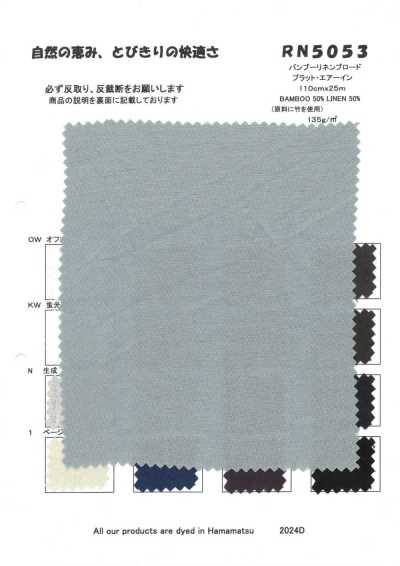
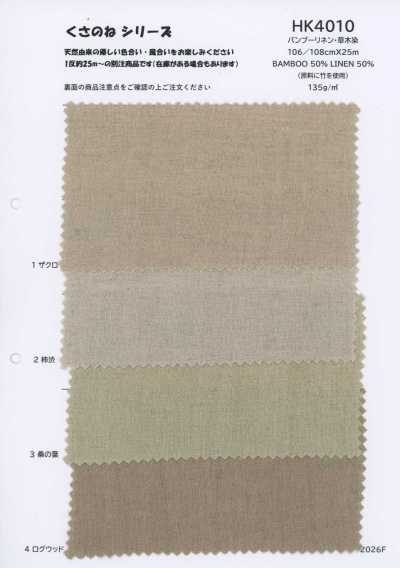
Bamboo fiber is a general term for fibers obtained from bamboo, including fibers made by mechanically processing bamboo into fibers and regenerated cellulose fibers made by dissolving and regenerating it.
Contents6 sections
Definition and Overview
Bamboo fiber refers to fibers derived from bamboo, but its properties vary greatly depending on the manufacturing method. Most materials labeled “bamboo” or “bamboo rayon” in apparel textiles are cellulose fibers made by dissolving bamboo and regenerating it.
Fibers obtained by mechanically loosening bamboo are treated as plant fibers like linen. On the other hand, regenerated cellulose fibers are treated as a type of rayon, so in planning documents and blend ratio labels, it is important to check not only the raw material name but also the fiber name and manufacturing method.
Features
Bamboo fiber in the regenerated cellulose category is a material that tends to be smooth, soft, and have good drape. Its luster varies depending on the yarn shape, knitted or woven structure, and dyeing or finishing process, ranging from subtle to relatively glossy.
It is sometimes used for garments that take advantage of moisture absorption, but properties such as water absorbency, quick-drying performance, and antibacterial performance cannot be judged from the fiber name alone. It is important to check blended materials, fabric weight, structure, post-processing, and test results.
Main Applications
It is used for cut-and-sew items, T-shirts, innerwear, loungewear, nightwear, shirts and blouses, dresses, and other items that require softness and drape. It is also sometimes blended with cotton, polyester, polyurethane, and similar materials to adjust strength, shape stability, and stretch.
It is often developed into relatively light to medium-weight knits and woven fabrics, and is used not only for spring and summer items but also for year-round products that emphasize a soft feel against the skin. Seasonal suitability is determined not by the fiber name, but by the fabric thickness, structure, blend ratio, and finish.
Selection and Handling Notes
When selecting, check not only that it is bamboo-derived, but also whether it is a regenerated cellulose fiber or a plant fiber, the blend ratio, knitted or woven structure, fabric weight, stretchability, and dimensional change after washing. In particular, regenerated cellulose materials may require care when wet or when subject to friction.
The degree of shrinkage, wrinkling, pilling, and color fading caused by washing varies by fabric. Before mass production, carry out washing tests and sewing tests, and determine the care label. For dark colors, also check rubbing fastness and consider color transfer when combined with light-colored items or worn in layers.
In sewing, if the knit fabric is soft and easily stretched, stretching during cutting, wavy seams, and seam stretching may occur. Align the grain and cut carefully, choose needles, thread, and sewing specifications suited to the fabric’s stretch, and use stay tape if necessary.
Differences from Similar Terms
Rayon is a general term for fibers made by regenerating cellulose such as wood pulp. “Bamboo rayon,” made by regenerating bamboo as a raw material, is included in rayon, but not all materials made by mechanically fibrillating bamboo are called rayon.
Lyocell is also a fiber made by dissolving and regenerating cellulose, but its manufacturing process and classification differ from rayon. In addition, bast fibers such as linen and ramie are natural fibers obtained from plant stems and are generally distinguished from regenerated cellulose fibers derived from bamboo.
Frequently Asked Questions
Are bamboo fiber and bamboo rayon the same?
They are sometimes used to mean the same thing, but strictly speaking they are different. Bamboo fiber refers to fibers derived from bamboo in general, while bamboo rayon refers to rayon made by regenerating bamboo-derived cellulose. When placing an order, check the blend ratio label and manufacturing method.
Does bamboo fiber textile shrink?
Whether shrinkage occurs and to what extent depends on the manufacturing method, blend ratio, structure, finishing process, and washing conditions. Since regenerated cellulose fabrics may change properties when they absorb moisture, confirm the shrinkage rate under the intended washing conditions before mass production and reflect it in the pattern.
Does bamboo fiber have antibacterial properties?
You cannot uniformly judge a product’s antibacterial properties based only on the fact that it is bamboo-derived. Performance varies depending on the regeneration process, post-processing, and test conditions. If antibacterial or deodorizing properties are claimed, it is necessary to check the test results and basis for the claim for the target fabric.
![19300 40s Broadcloth [Sorry To Keep You Waiting! Matching Item]](/img/item/thumb/OKURA/1084542_t2.jpg)