Blend Ratio
Blend ratio is the percentage used in labeling and management to show the share of each fiber in the textile or product.
![68225Z 1/10 Nep Tweed (2) [Made With Recycled Wool Yarn]](/img/item/thumb/OKURA/1073681_t2.jpg)
Contents6 sections
Definition and Overview
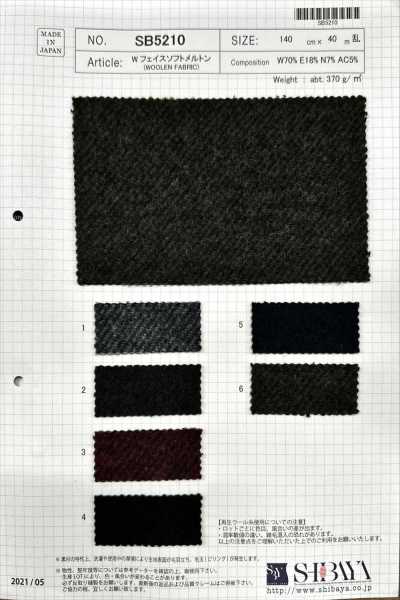
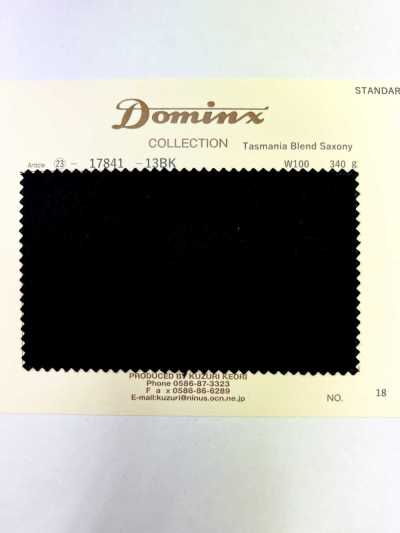
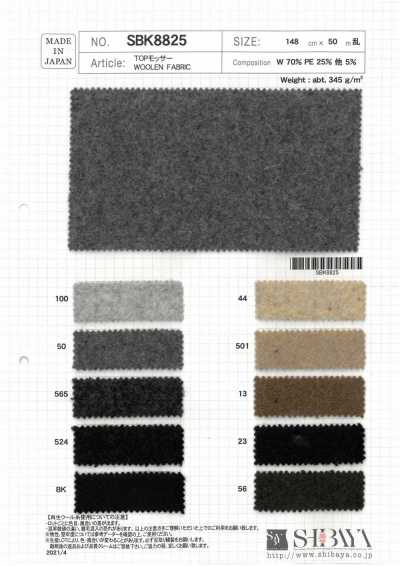
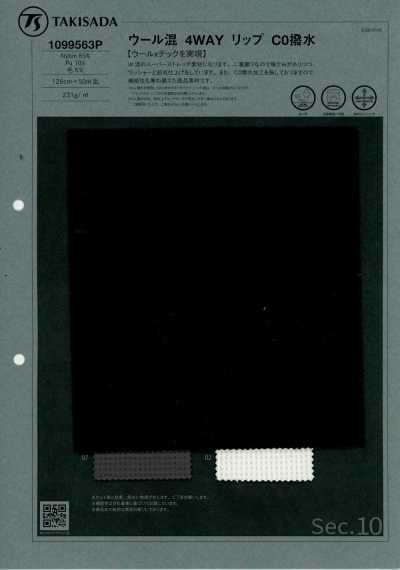
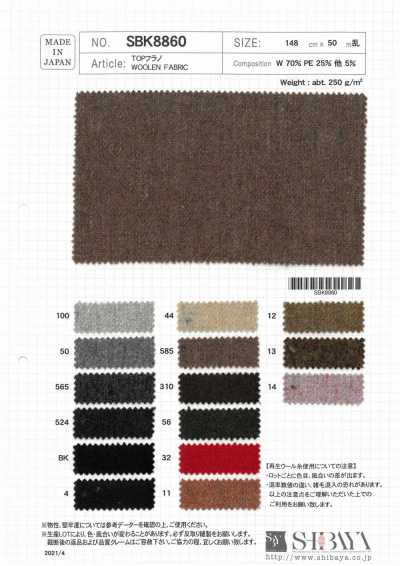
Blend ratio indicates the proportion of fibers used in a product or textile, such as cotton, polyester, and nylon. For example, when cotton and polyester are used together, it expresses as a percentage how much of each fiber is included. The blend ratio itself is not a certification name or a performance standard.
Blend ratio is basic information used to consider hand feel, strength, stretch, absorbency, quick-drying performance, dyeability, and care methods. However, even with the same blend ratio, the properties of a textile or product will not be the same if the yarn type, weave or knit structure, density, or finishing differs.
Scope and How to Consider Standards
Blend ratio is usually handled based on the mass of the fibers. In labeling, the percentage for each fiber type is shown, and the total is checked to ensure overall consistency. Because the composition differs between the main textile, lining, filling, and accessories, it is important to distinguish which part the blend ratio refers to.
For materials treated with coating, lamination, resin finishing, or similar processes, it may be shown as the designed blend ratio for the fiber section. In such cases, the meaning of the figures changes depending on whether the finishing layer is included in the labeled scope, so the scope should be confirmed in the supplier's specification documents.
- Designed blend ratio: the fiber composition ratio planned in the design or specifications.
- Measured blend ratio: the actual fiber composition ratio confirmed by testing or similar methods.
- Raw material usage rate: an expression indicating how much of a specific raw material was used, and it does not necessarily represent the blend ratio of the entire product.
Points to Check in Procurement and Product Development
When procuring textile, check not only the blend ratio but also whether it refers to the main textile or the entire product, the outer fabric or lining, and whether figures include coating or other treatments. For materials that use recycled or regenerated raw materials, the blend ratio may vary by lot depending on the characteristics of the raw material.
In product development, compare the specification sheet for the selected textile, test results, and labeling draft, and organize separately by part the lining, filling, interlining, embroidery thread, and other materials added after cutting. When using multiple suppliers or lots, it is easier to manage if any change in blend ratio is recorded at the time of ordering and receiving.
Notes on Labeling and Certificates
For household textile products, the fiber composition must be shown in accordance with laws and labeling rules related to care tag information. The fiber names used in labeling, the order of the label, and the permitted expressions vary depending on the product and system, so the latest official information and confirmation by the person responsible for labeling are required.
Claims such as organic, recycled, or certified raw materials require supporting documents to be checked separately from ordinary blend ratio labeling. Even if there is a certificate, confirm the scope, whether it applies to the textile or the product, the transaction lot, and the validity period, and do not judge whether certification applies based only on the blend ratio.
Differences from Similar Terms
Blending refers to the method of mixing different fibers into yarn, or to that yarn. Union fabric means weaving with different fibers for the warp and weft, and cross-knit means combining different yarns in knitted fabric. These are terms for composition or production methods, and are distinguished from blend ratio, which indicates the percentage itself.
Shrinkage ratio is the rate of dimensional change due to washing or processing, and is not a blend ratio. Blend ratio is information on material composition, while shrinkage ratio is quality information related to dimensional stability, and each is confirmed in the specification sheet or test results.
Frequently Asked Questions
Are blend ratio and blending the same meaning?
No. Blend ratio is a numerical value showing the composition share of each fiber. Blending refers to the method of mixing different fibers into yarn or to the type of yarn. Textile made with blended yarn also has a blend ratio, and textile made with union fabric or cross-knit also shows a blend ratio.
Does the blend ratio of recycled materials vary by lot?
For materials using regenerated raw materials or recycled yarn, differences in blend ratio may occur from lot to lot depending on the source of the raw material and sorting conditions. Before adoption, confirm the acceptable range, labeling value, and how to notify lot changes with the supplier, and retain the supporting documents for product labeling.
Can the usage rate of organic raw materials be displayed as the blend ratio?
The usage rate of organic raw materials is information showing the usage share of a specific raw material, and it is not necessarily the same as the fiber blend ratio of the entire product or the scope of certification. When labeling or making claims, confirm the object covered, the calculation method, and the scope covered by the certification documents, and use wording that does not confuse it with care tag information.
![68181 Wool Shaggy [Made With Recycled Wool Yarn]](/img/item/thumb/OKURA/1073683_t2.jpg)