Water Absorbency
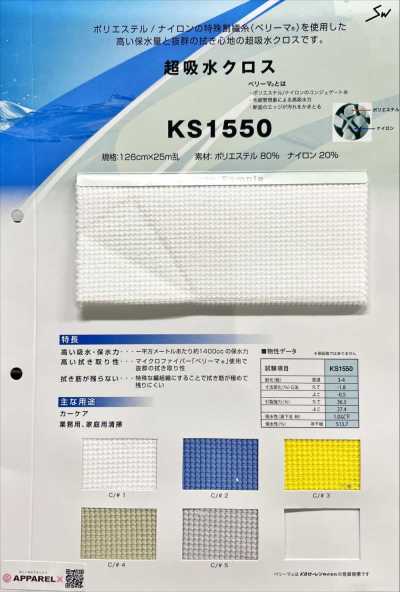
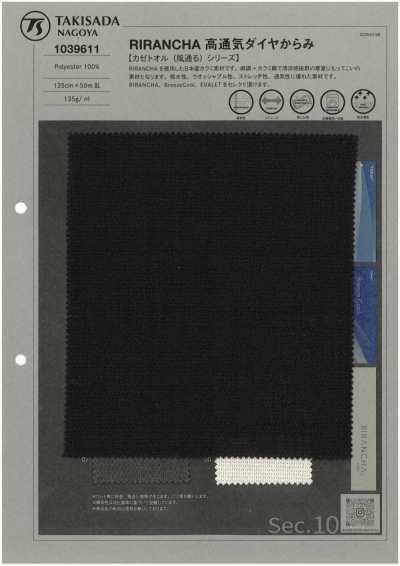
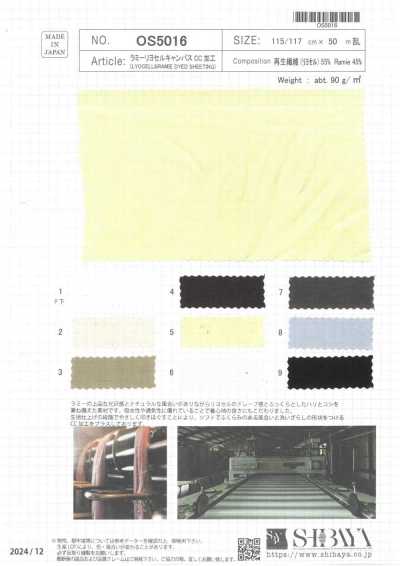
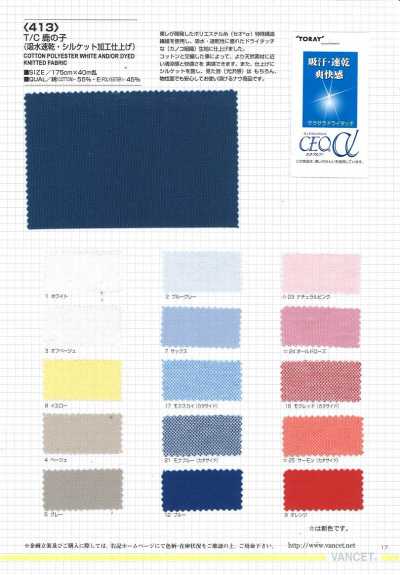
Water absorbency is the property of a textile to take in liquids such as water and sweat from the surface and retain them inside the fibers and gaps in the textile. It affects sweat handling, the feeling of wetness during wear, and drying performance.
Contents5 sections
Definition and Overview
Water absorbency refers to a textile’s ability to take in moisture. In addition to the fiber itself absorbing moisture, capillary action created by yarn thickness, twist, structure, and fuzz or pile also affects the amount of water absorbed and how it is drawn in.
Water absorbency is distinguished from moisture absorbency, which refers to taking in sweat as water vapor. It is also not synonymous with quick-drying water absorbency, which is the property of dispersing and evaporating moisture quickly after it has been absorbed, so it needs to be checked separately according to the application.
Features and Effect on Appearance
Textiles that include cotton, rayon, and linen generally tend to absorb moisture easily. However, even with the same material name, performance changes depending on blend ratio, yarn, structure, and aftertreatment, so water absorbency cannot be judged from the material alone.
Textiles that readily absorb moisture can help reduce the discomfort of sweat remaining against the skin, but when wet, they become heavier and may look darker or feel less comfortable against the skin. Pile structures such as terry cloth are a typical structure that retains moisture easily.
Main Applications
Water absorbency is emphasized in spring and summer apparel, underwear, nightwear, sportswear, kids’ apparel, and other items that frequently come into contact with sweat and moisture. In shirts and cut-and-sew garments, it is used when selecting textiles to address stuffiness and sweat stickiness during wear.
However, for high-activity applications, drying speed is also important in addition to the amount of water absorbed. Textiles that absorb sweat but dry slowly may cause chilling or heaviness, so they should be considered together with breathability, moisture permeability, and quick-drying performance.
- Applications for wiping away moisture, such as towels, handkerchiefs, and bathrobes
- Applications that receive sweat, such as T-shirts, underwear, and shirts
- Applications with high perspiration, such as sportswear and workwear
Selection and Handling Precautions
When selecting a textile, check not only whether it has water absorbency, but also absorbency speed, diffusion, and drying performance to match the intended application. It is practical to assume actual wear and washing conditions and confirm the spread of water droplets on a swatch, color change when wet, skin release, and the hand feel after drying.
Textiles containing absorbent natural fibers or regenerated fibers may shrink during washing. Before cutting and sewing, if necessary, carry out boiling treatment or straightening and confirm the shrinkage rate. When wet, textiles can stretch or change shape easily, so handle them without pulling excessively.
In sewing, allow for dimensional changes when moisture is absorbed and cut along the grain. If garment washing is performed, it is important to check shrinkage differences with sewing thread, interlining, and trims, as well as the presence or absence of color bleeding, in advance testing.
Frequently Asked Questions
What is the difference between water absorbency and moisture absorbency?
Water absorbency is the property of a textile taking in liquids such as sweat and water droplets. Moisture absorbency refers to fibers taking in water vapor in the air. When evaluating wearing comfort, check both liquid from perspiration and humidity inside the garment.
Do textiles with high water absorbency dry slowly?
Not always, but textiles that retain a large amount of moisture may take longer to dry. Drying speed is related to textile thickness, structure, breathability, and moisture diffusion. For sports applications, quick-drying performance should also be checked.
Do water-absorbent textiles require special care when washing?
Depending on the material and processing, washing may cause shrinkage, stretching, or changes in hand feel. In particular, some textiles deform easily when wet, so follow the care label and, before mass production, confirm shrinkage, color fading, and compatibility with trims through washing tests.