Beaver
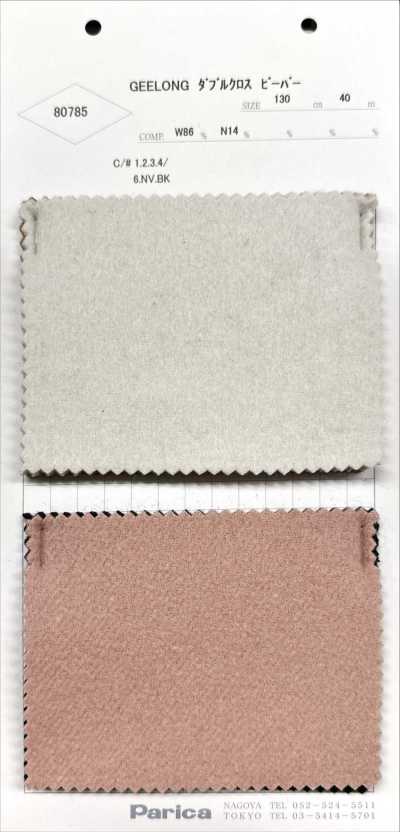
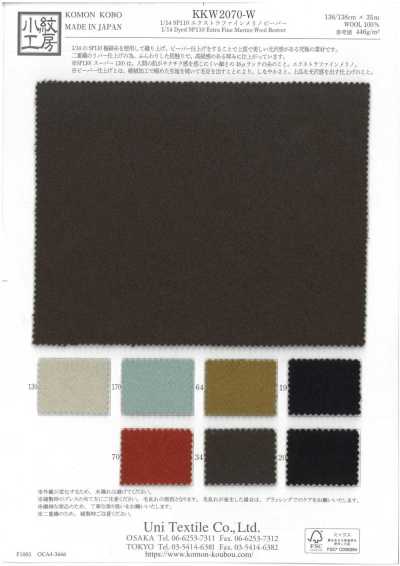
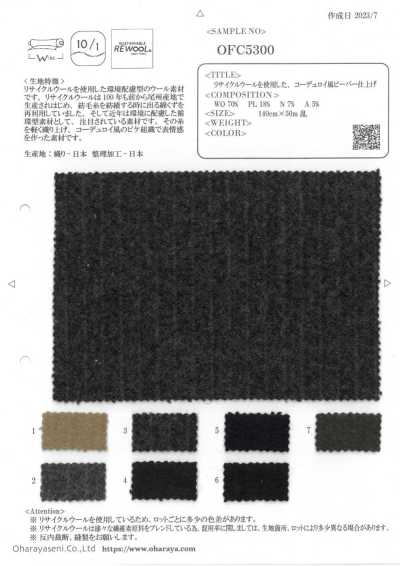
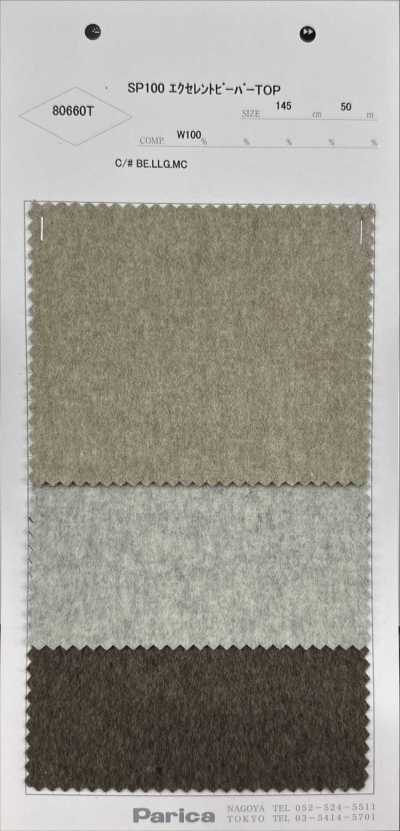
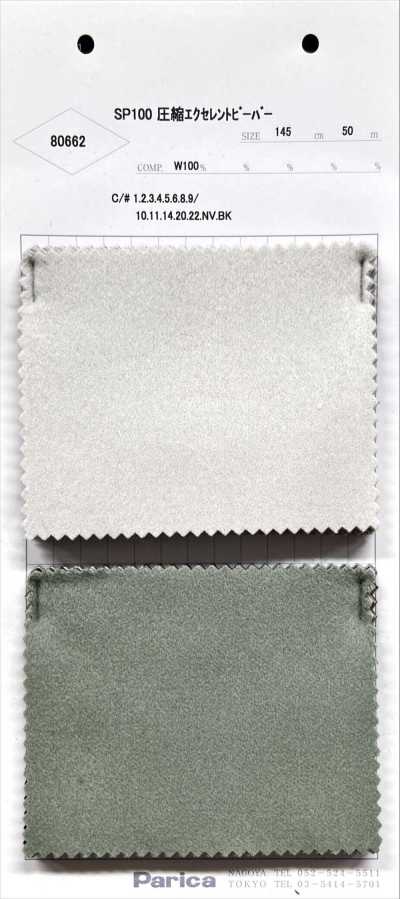
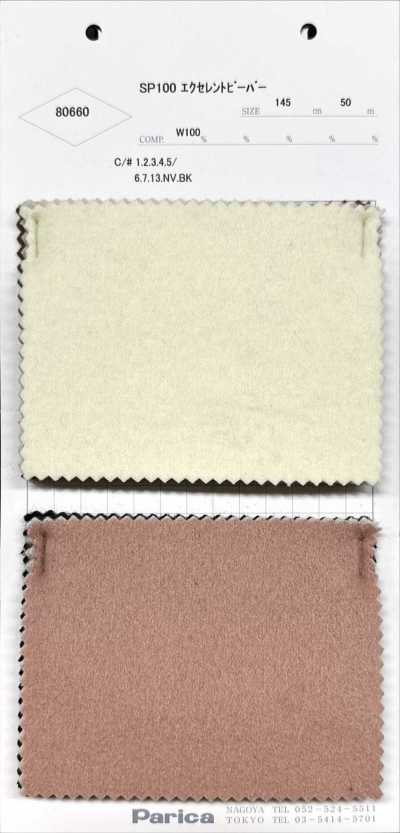
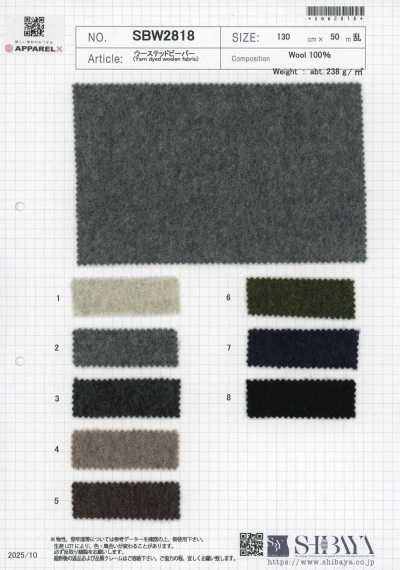
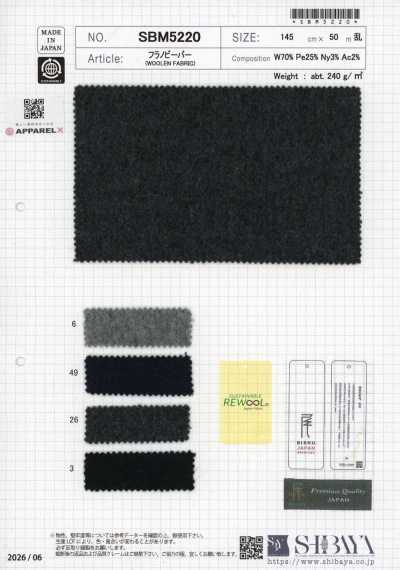
Beaver is a thick clothing fabric made mainly by fulling wool woven fabric, then raising the pile and shearing it to create an elegant luster that changes with the direction of the nap, and a dense, smooth surface.
Contents6 sections
Definition and Overview
Beaver is a textile made by fulling wool-based woven fabric and then napping and shearing the surface to create short, even pile. It is named for the dense, smooth nap that resembles beaver fur.
The weave structure, raw material, degree of fulling, and pile length vary from fabric to fabric. Therefore, beaver is not a single weave name but should be understood as a term indicating the surface finish after processing.
Texture and Function
The surface has a densely laid pile appearance, and the shade and sheen vary depending on the direction of the nap. It is smooth and refined, and is characterized by its relatively firm thickness and ease of achieving warmth retention.
Because fulling tightens the fibers, it generally resists wind and tends not to fray easily at the edges. On the other hand, strong rubbing or crushing of the nap can cause glossing and irregular pile direction.
Main Applications and Season
Taking advantage of its warmth retention and neat surface, it is used for autumn and winter garments such as coats, capes, jackets, and skirts. It is especially suitable for items where a clean-looking surface is desired while maintaining a three-dimensional silhouette.
Suitable applications vary depending on thickness, fabric weight, firmness, and pile length. Lightweight, supple versions are also used for lighter garments, but heavier versions may not be suitable for designs that use many fine gathers or complex drape.
Selection and Handling Notes
When selecting, check not only the composition but also the fabric weight, thickness, stretch, nap direction, and shrinkage rate. Before cutting, it is important to align the nap in one direction and lay out the pattern so that there is no difference in tone, including the left and right pieces and facings.
Beaver made mainly from wool may shrink or change texture due to washing or steam. Before productization, check the care label, dimensional change, and ironing conditions, and if necessary, perform straightening and trial sewing.
In sewing, be careful because the pile can get caught in the seam allowance, and pressing pressure can cause fading or glossing. Tidy the pile in the seam allowance and consider pressing conditions suited to the fabric, such as using a pressing cloth or vacuum.
- Cut with the nap direction aligned.
- Check the shrinkage rate before cutting, sewing, and pressing.
- Use a pressing cloth and avoid strong pressure when ironing.
- Create a finish sample to confirm the nap and sheen.
Differences from Similar Terms
Melton is a heavy wool woven fabric made dense by fulling. Beaver also uses fulling, but beaver is generally characterized by a clear, smooth nap created by napping and shearing, and by directional sheen.
Flannel is a fabric characterized by the soft warmth created by light napping. In contrast, beaver has a denser, shorter, and more evenly finished pile, and differs in that it tends to have the firm look often used for coat fabrics.
Frequently Asked Questions
How is beaver different from melton?
Can beaver fabric be washed at home?
It depends on the composition and processing, but beaver made mainly from wool may shrink or change texture when washed in water. Whether home washing is possible depends on the care label for each fabric or product, and before mass production, dimensional change and surface change should be checked through washing tests.
Is it necessary to align the nap when cutting beaver?
Yes. Because the direction of the nap changes the way light reflects and the way color appears, mixed directions within the same product can cause differences in shade between parts. The cutting direction should be unified not only for the shell fabric but also for collars, facings, and other parts.