Crochet Hook
A crochet hook is a craft needle used for crochet and lacework, with which yarn is drawn through a hook at the tip to create continuous stitches.
Contents6 sections
Definition and Overview
A crochet hook is a tool used to make fabric by catching yarn on the curved hook at the tip and pulling it through an existing loop or stitch. By combining chain stitches, single crochet, double crochet, and more, it can be used to create flat fabric, three-dimensional items, and edging.
Although it is a needle for knitting, a crochet hook differs in purpose and structure from a sewing needle used to stitch fabric together. In apparel, it is used to make crochet lace parts, knit accessories, decorative motifs, and more.
How to Use
The basics are to insert the hook into the first loop made at the yarn end and repeat the motion of pulling out the yarn caught on the hook. Turning the hook opening toward the yarn makes it easier to catch the yarn, and turning the opening downward when pulling it through a stitch helps reduce snagging.
If you pull the yarn too tightly, the stitches become packed and the hook is harder to insert in the next row. On the other hand, if it is too loose, the stitches can become uneven, so it is important to keep the tension of the hand holding the yarn and the size of the hook movement consistent.
- Chain stitch is a method that creates a continuous base of loops.
- Single crochet is a stitch that tends to produce a dense, fairly firm fabric.
- Double crochet uses more yarn overs and makes it easier to create height and sheerness in the fabric.
Types and How to Choose
Crochet hooks are chosen based on the thickness of the hook tip and how easy the shaft is to hold. The size should match the yarn being used, and if the yarn label or pattern specifies one, that is the standard to follow. Even with the same yarn, a thicker hook makes the fabric softer and looser, while a thinner hook makes it denser and firmer.
Materials include metal, resin, and bamboo, and they differ in slipperiness, weight, and feel. Metal hooks often let yarn glide smoothly, while resin and bamboo are chosen when a gentler feel in the hand and less slip are preferred. Hooks with handles have a shape that can help reduce strain on the fingers during long periods of work.
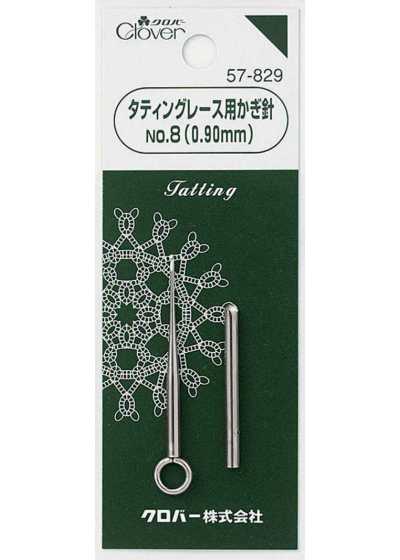
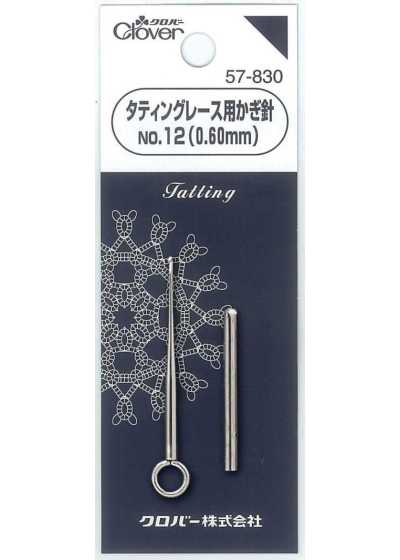
For thin yarns such as lace yarn, use a thin lace hook. Since size markings and names may differ from those for crochet hooks for thick wool yarn, check the hook size and the yarn it is intended for before matching them.
Care and Safety Notes
After use, wipe off lint and hand oils with a dry, soft cloth, and store the hook in a case or similar container where the tip will not touch other tools. Scratches on the tip, bends, and burrs on the hook can cause yarn splitting or snagging, so check the condition before use.
Because the tip of a crochet hook can be sharp, use a cap or case when carrying or storing it, and keep it out of reach of small children. It is also necessary not to point the hook tip toward yourself or others while working.
Differences from Similar Terms
A crochet hook is a needle used to pull out yarn and work stitches with a hook. Knitting needles are tools used to knit by holding multiple stitches on the shaft, and the structure of the fabric and the basic technique are different.
A lace hook generally refers to a slim crochet hook for working with thin lace yarn. Crochet hook is used as another name for a crochet hook. On the other hand, in tatting lace, a shuttle is mainly used, and a crochet hook may be used as an auxiliary tool.
Frequently Asked Questions
How do you choose the hook size?
First, use the recommended hook shown on the yarn label or in the pattern as your standard. If you want a softer fabric, try a slightly thicker hook; if you want a firmer fabric with tighter stitches, try a slightly thinner hook. However, if the finished dimensions are important, be sure to check with a test swatch.
Are a crochet hook and a lace hook the same?