Tatting Lace
Tatting lace is a hand-crocheted lace technique that uses yarn threaded on a shuttle or needle to make successive knots, creating ring- and chain-like curved patterns.
Contents6 sections
Definition and Overview
Tatting lace is a lace-making technique that forms patterns by repeatedly knotting thread. By combining basic rings and chains, it creates outlined floral and geometric patterns, as well as continuous edging. It can be used for everything from narrow trim to circular motifs.
How It Is Made and Materials
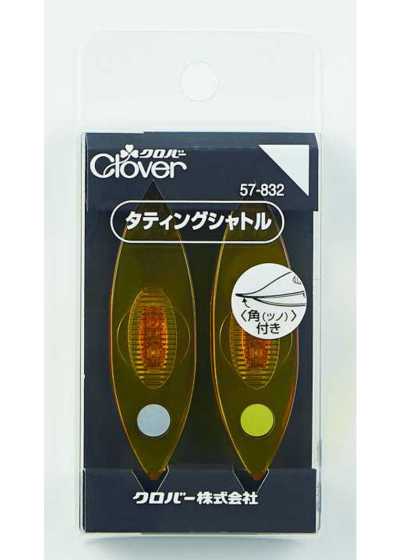
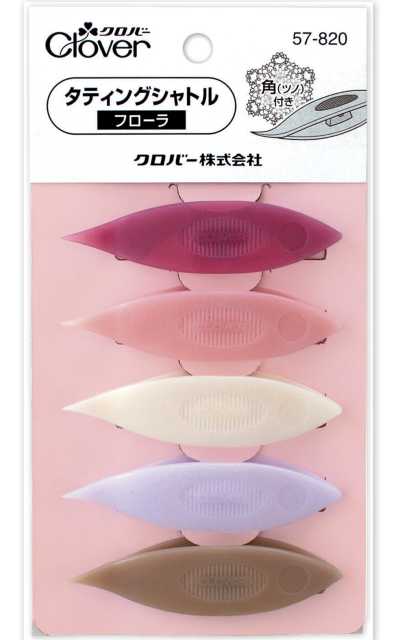
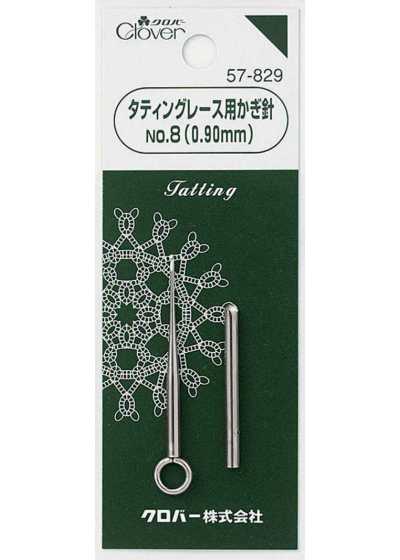
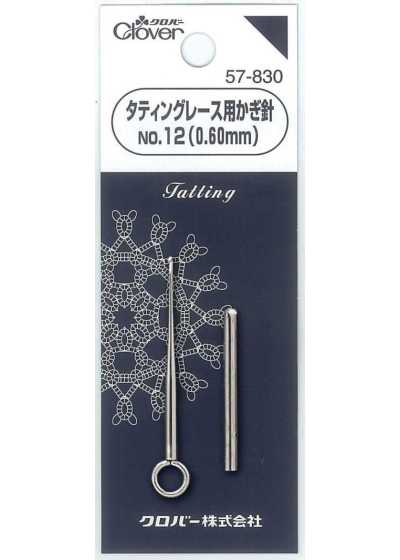
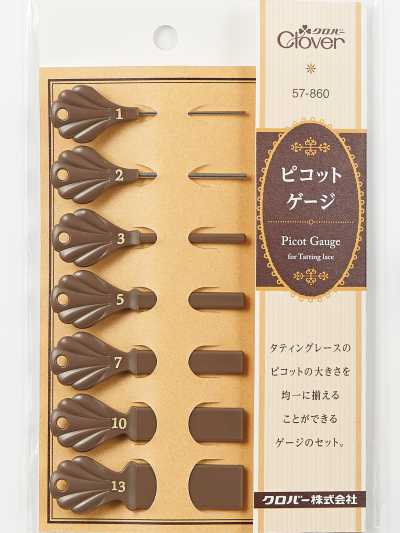
In general, a shuttle wound with thread is used, and the work proceeds by transferring knots onto the core thread. There is also a method that uses a special needle to make the same knots without a shuttle. The small loops called picots serve not only as decoration but also as connectors between motifs.
Materials often include cotton, which is easy to handle as lace thread, and thread made of silk, polyester, nylon, and other materials is also used depending on the purpose. The finer the thread, the more delicate the appearance, but the compactness of the knots and ease of handling vary depending on the thread thickness, twist, and slipperiness.
Visual Characteristics
Because the knots are linked together, the lace tends to have a beaded three-dimensional look and a crisp outline. Combinations of rings, arcing chains, and picots can express petals, leaves, and circular doily-like patterns. Unlike lace embroidered on a base fabric, the pattern itself has an independent structure.
Stretchability depends on the type of thread and the method of work, but it is not a material that stretches greatly like knitwear. On the other hand, there is slight movement from the spacing between knots and thread, so when sewing it on, it is important not to pull too tightly and to secure it while it is shaped properly.
Main Applications
In clothing, it is used for decoration around necklines, cuffs, and hems, as well as accessories, corsages, and button areas. Small motifs can be arranged like appliqué, and continuous patterns can be used as tape-like edging.
Outside apparel, it is also used for the edges of handkerchiefs and scarves, doilies, tablecloths, and other household items. While its delicate design stands out, areas that are prone to snagging or friction should be considered with the type of thread and attachment method suited to the usage environment.
Selection and Handling Notes
When selecting it, check the pattern size, thread thickness, material, color, and stretch, as well as the washing conditions after sewing. For apparel use, color transfer with the main fabric, shrinkage differences, and consistency with care labels are also important. If necessary, perform washing tests and snagging checks under the actual sewing specifications.
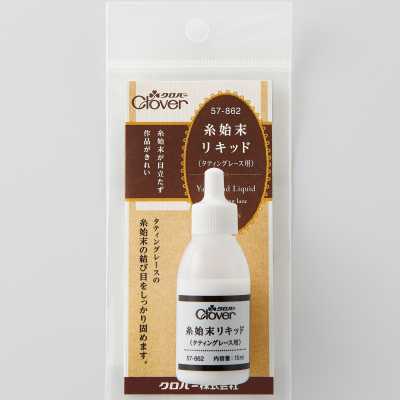
Because it is made of knots, if the end finishing or joining sections are inadequate, thread ends may come out or parts may unravel during use. Wash according to the product label, and consider using a laundry net to reduce friction. If the shape becomes distorted, smooth it flat and dry it, then use a pressing cloth and low heat to reshape it.
- Avoid sewing it on while stretched by pulling too tightly.
- Be careful of snagging on hook and loop fasteners, coarse bag fabric, and decorative hardware.
- Check the material's heat resistance before ironing, and do not press down too hard directly.
Frequently Asked Questions
What is the difference between tatting lace and crochet lace?
Tatting lace is a technique that mainly uses a shuttle or special needle to make knots and form rings and chains. Crochet lace is made by drawing thread through stitches with a crochet hook. Both are hand-crocheted lace, but they differ in the tools used, how the stitches are made, and the outline and three-dimensional quality of the patterns.
Does tatting lace stretch or fray when washed?
How easily it stretches depends on the thread material, stitch density, and how it is handled while wet. It is not something that stretches a great deal, but if pulled while still wet, it may lose its shape. Also, if the thread ends or joins are weak, there is a risk of fraying due to friction or snagging. Wash gently according to the product label and dry it while shaping it properly.