Edo-uchi
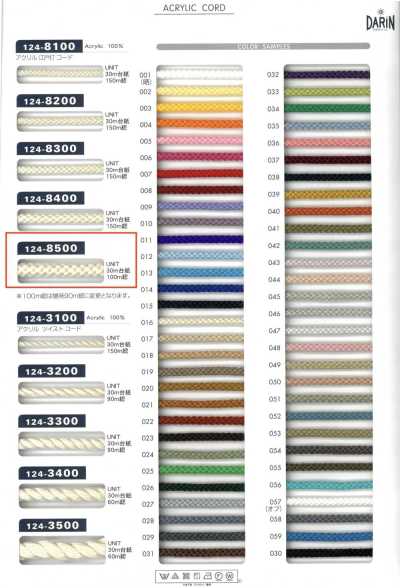
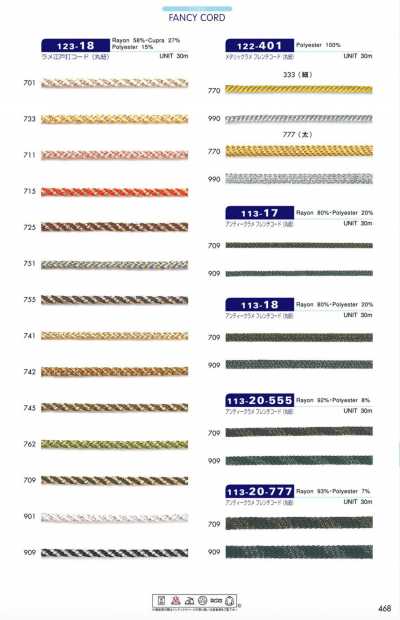
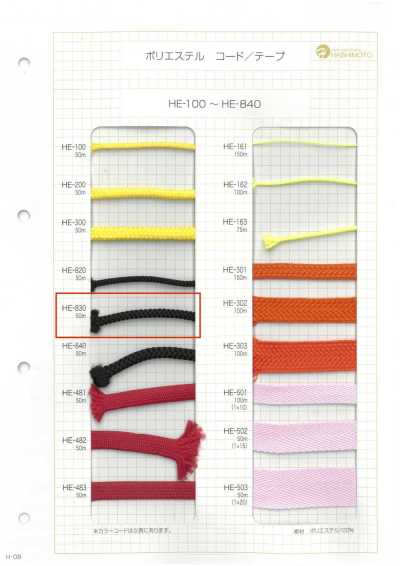
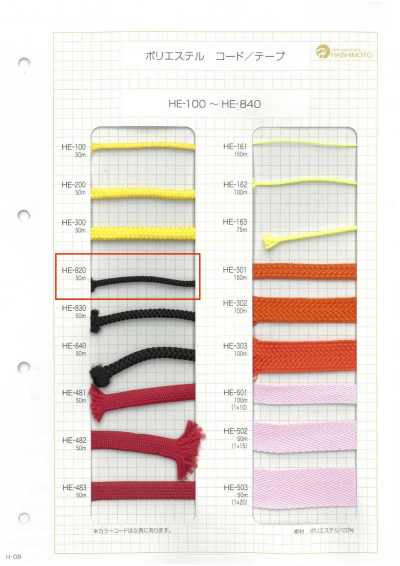
Edo-uchi is a type of braided cord made by combining multiple yarns into a round cross-section, and is a narrow-width material used for garment cords, drawstrings for drawstring bags, decorative cords, and more.
Contents6 sections
Definition and Overview
Edo-uchi is a round cord made by combining yarns in the manner of braided cord. It is also called "Edo-uchi," "Edo-uchi string," or "Edo-uchi cord." The braid pattern appears on the surface, giving it more dimensionality than ordinary flat tape, and it is characterized by being easy to handle as a string.
Depending on the material, yarn thickness, braid density, and surface finish, its gloss, flexibility, stiffness, and strength vary. Even under the same Edo-uchi name, specifications differ widely, so the thickness and texture needed for the application should be checked individually.
Materials and Structure
Edo-uchi is not made by crossing warp and weft yarns at right angles like a woven fabric; it is a braided material made by intertwining multiple yarns. Its cross-section is basically round, and the surface shows uneven texture from the braid pattern.
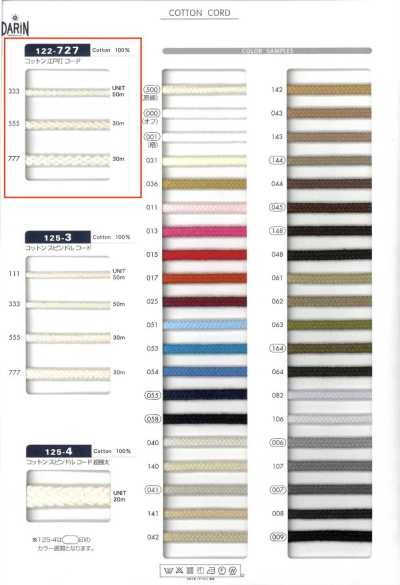
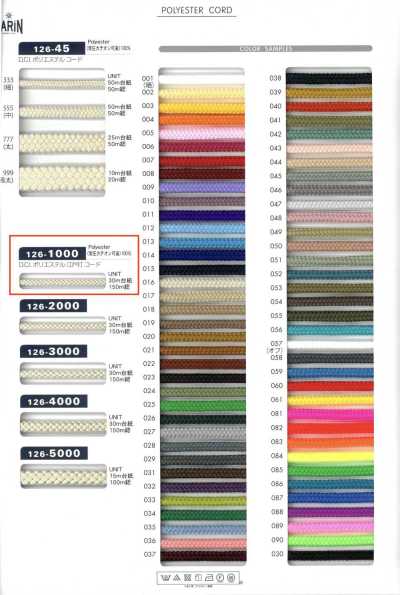
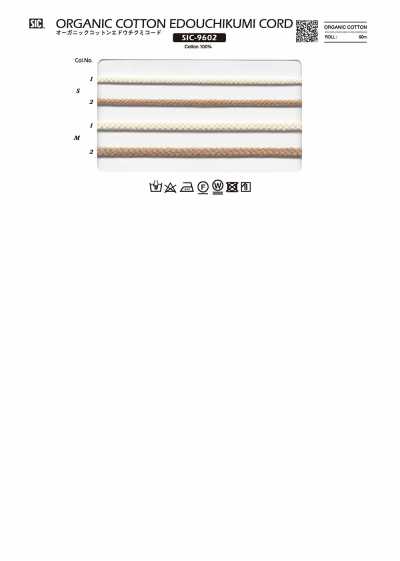
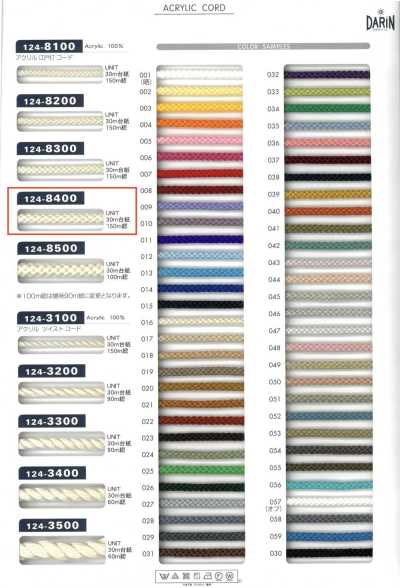
It is made from cotton, polyester, nylon, rayon, and other materials. Cotton has a natural texture, polyester and nylon tend to have a relatively glossy appearance, and rayon tends to have a smooth, glossy appearance, although the actual properties also vary depending on the yarn use and processing.
How Thickness Is Indicated
Edo-uchi is generally indicated in millimeters by the thickness corresponding to the diameter of the round cord, rather than by a tape-like width. However, soft cords can appear different in size depending on how much they flatten during measurement.
In addition to thickness, it is also important to check the braid tightness, required length, and compatibility with the inner diameter of cord stoppers and cord ends. For holes and loops that the cord passes through, it is important to also consider the bulk when tied in a knot.
- Thicker cords are easier to give presence and are easier to tie.
- Thinner cords are easier to use for drawstrings and decoration on lightweight garments.
- When used with auxiliary materials, conduct a passing test with the actual item.
Main Applications
In garments, it is used for hoodie and blouson hoods, waist and hem drawstrings, pants waist cords, and drawstrings for drawstring bags. Because of its round shape, it is also used in specifications where length is adjusted by passing it through a cord stopper.
Outside of garments, it is also used for bag drawstrings, decoration for accessories and small items, hanging cords, and more. In design, it may be chosen as an accessory that highlights the braid pattern, color, and gloss.
Selection and Handling Notes
Depending on the application, check the material, thickness, feel, stretch when pulled, and resistance to knot loosening. In areas where tightening is repeated, friction during use and compatibility with cord stoppers are also important. For load-bearing purposes, check not only the appearance and thickness but also whether the required strength testing has been performed.
The cut ends may loosen and fray as the braid comes undone. Finish the ends according to the specification, such as sewing them in, tying knots, or attaching cord ends. During washing, shrinkage, color fading, fuzzing, and changes in gloss may occur depending on the material, so perform a washing test in advance under the same conditions as the product.
Frequently Asked Questions
What is the difference between Edo-uchi and round cord?
Round cord is a general term for cords with a round cross-section, and it may not specify the manufacturing method or structure. Edo-uchi is the name used for braided cord made by combining multiple yarns. When selecting a round cord, check not only whether it is Edo-uchi, but also the material, thickness, and braid density.
Does Edo-uchi shrink when washed?
The degree of shrinkage or stretching varies depending on the material, processing, and braided structure, such as cotton, rayon, polyester, and nylon. When used in garments, it should be tested under the same washing conditions as the product while also considering the shrinkage difference from the main fabric, and then adopted.
How can I keep the ends of Edo-uchi from fraying?
Cut ends tend to loosen at the braid pattern, so finish them by sewing them in, tying knots, or attaching cord ends. Whether heat treatment is possible depends on the material, so be sure to check with a scrap piece, including any changes in appearance or hardening.
- Search products for "Edo-uchi"
- Products with material "Cotton"
- Products with material "Polyester"
- Products with material "Nylon"
- Products with material "Rayon"
- Products for style "For Outerwear/blousons/coats"
- Products for style "For Pants"
- Products for style "For Bags"
- Products for style "For Kids"
- Browse Ribbon, Tape, Cord products