Cord End
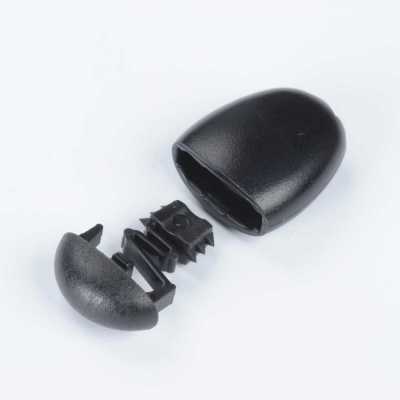
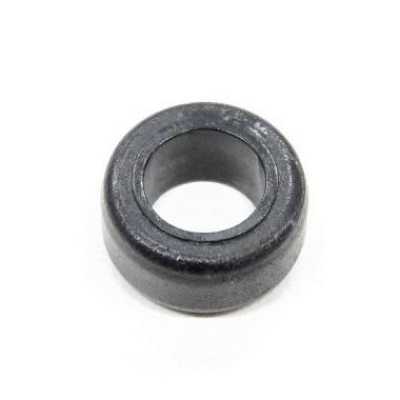
A cord end is an accessory part attached to the end of a cord, spindle, tape, or similar item to prevent fraying and keep it from slipping out of an eyelet or through an opening.
Contents7 sections
Definition and Overview
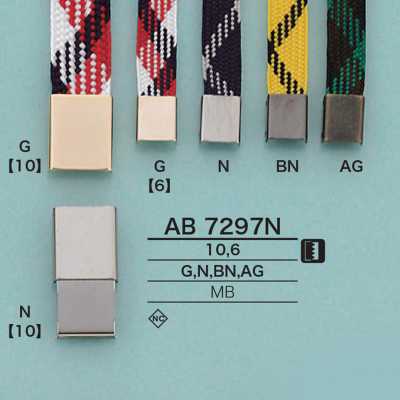
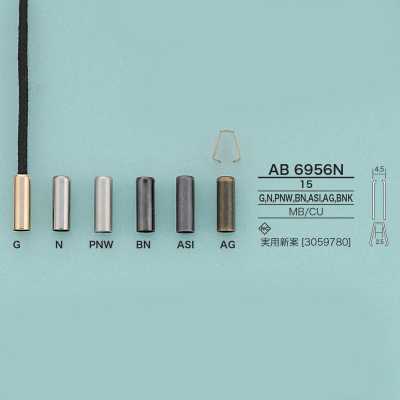
A cord end is a part used to finish the ends of cords, round cords, flat cords, and tape used in apparel and bags. By covering the tip, it improves appearance, helps prevent fraying, and keeps the end from slipping out through eyelets or loops.
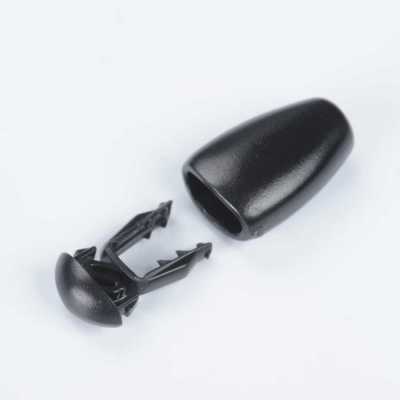
There are types that insert the cord into a tubular body, types that clamp the tape end, and types used in combination with a knot. They are fixed by methods suited to the structure, such as crimping, caulking, sewing, or adhesive bonding.
Materials and Structure
Materials include metal, die-cast, and resin, each with different texture, weight, durability, and processing methods. Metal types are easier to give a sharp appearance, while resin types may be suitable for reducing weight and matching colors.
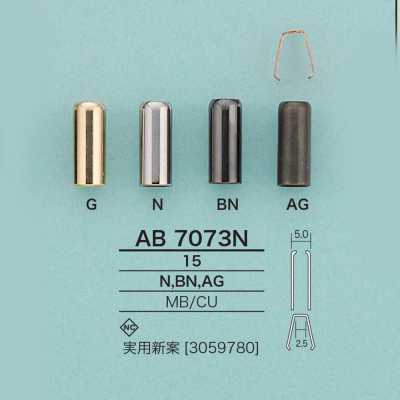
Some metal types have plating or coating on the surface. For round cords, the inside is generally circular or similar in shape, while for flat cords and tape, types with a wider insertion opening are common. Some structures also have claws or crimp sections for fixing the end.
- Metal / die-cast: materials that can easily create a sense of weight and decorative appeal.
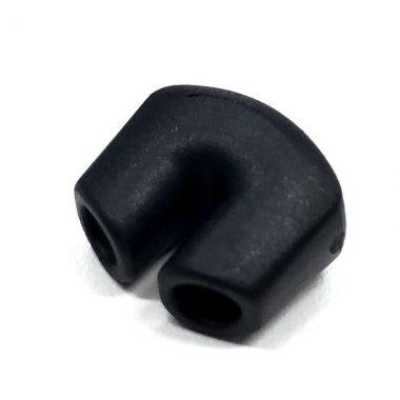
- Resin: a lightweight material that makes it easy to offer shape and color options through molding.
- For round cords: fit is mainly checked by inner diameter.
- For flat cords and tape: check the inner width and thickness of the insertion opening.
How to Express Size
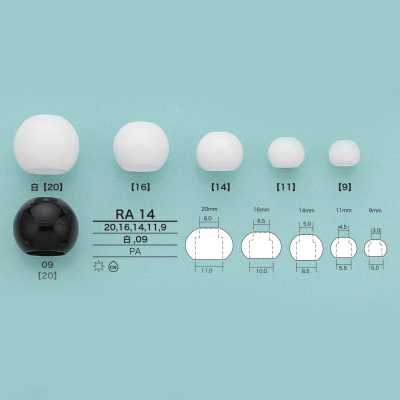
The size of a cord end is checked not only by the outer length or width, but also by the inner dimensions of the part that the cord or tape passes through. For round cords, compare the inner diameter with the actual measured cord diameter; for flat cords and tape, compare the inner width of the insertion opening with the tape width used.
The actual passing size of cords and tape changes depending on thickness, weave density, and folded ends. Even if the stated dimensions should fit, they may not accommodate the part once the crimp area or adhesive thickness is included, so prototype verification with the actual item is important.
Main Applications
They are used at the ends of hood and hem drawcords, waist cords, spindles, and bag drawstrings. While serving as end treatment, they also work as a design accent for the product.
In outerwear, sports and outdoor clothing, workwear, kids' clothing, and bags, cords are repeatedly pulled during wear and opening or closing. Selection should take into account the load on the application area and the visual balance with other hardware and textiles.
How to Choose and Points to Note
First decide the type of cord or tape to be used, the inner dimensions, and the fixing method. In areas subjected to pulling load, evaluate not only the cord end itself, but also the strength of the cord itself, pullout at the fixed section, and the combination with eyelets or cord stoppers.
Metal types may change the drape and wearing feel depending on their weight. In addition, rust, plating wear, and discoloration may occur depending on use conditions such as moisture, sweat, washing, and friction. If necessary, perform washing and friction tests.
For kids' products or products that go through needle detection processes, confirm the non-detaching fixing specification and whether needle detector compatibility is available. Products containing metal should be checked in advance against the operating conditions of needle detectors and must be handled as part of foreign matter contamination prevention.
Differences from Similar Terms
A cord stopper is a part used to adjust the length or tightening of a cord. In contrast, a cord end is mainly a part for finishing the tip of the cord, and the two may be used together on a drawcord.
An eyelet is a reinforced metal fitting hole made in textile, leather, or similar materials for passing a cord through. A cord end is attached to the end of the cord after it passes through the eyelet, so the attachment position and role are different.
Frequently Asked Questions
How much larger than the cord thickness should the inner dimensions of a cord end be?
Check not only the measured cord diameter, but also the swelling of the weave, anti-fray treatment at the end, and the thickness of the fold-back or adhesive used for fixing. If there is too much clearance, it may cause looseness or pullout, so it is basic practice to carry out insertion and fixing trials with the actual cord used.
Can a cord end and a cord stopper be used together?
Yes. The cord stopper adjusts the tightening position of the cord, while the cord end suppresses fraying and pullout at the tip. However, confirm that the stopper's passage hole, the eyelet diameter, and the outer shape of the cord end do not interfere with each other.
What should be considered when using metal cord ends in products that are washed?
Assume rust, discoloration, and wear of the surface finish caused by moisture, detergent, sweat, and friction, and check for staining of the textile as well. Since looseness in the attachment area and damage to the textile from edges may also occur, it is desirable to perform washing and friction tests on the finished product.
- Browse Cord End products
- Products with material "Metal"
- Products with material "ABS Resin"
- Products with material "Polyacetal"
- Products for style "For Outerwear/blousons/coats"
- Products for style "For Sports"
- Products for style "Outdoor"
- Products for style "For Kids"
- Products for style "For Bags"
- Browse Buckles And Rings products