Garment Dyeing
Garment dyeing is a process in which the entire finished garment is dyed after it has been cut and sewn into shape, producing a unified color tone and a distinctive texture that includes the seams and trims.
Contents5 sections
Definition and Overview
Garment dyeing is a method of dyeing the finished product after sewing is completed using white or light-colored textile. Unlike piece dyeing, which dyes at the textile stage, its distinctive feature is that the item being dyed is the garment rather than the bolt.
By combining dyeing, washing, and drying, it is possible to create depth of color, expression around the seams, and a soft texture. The final color tone and appearance vary depending on the type of dye, the material, and the processing conditions.
Process in Product Manufacturing
In general, the process proceeds in the order of selecting the material and trims, confirming the pattern and specifications, cutting and sewing, garment dyeing, drying and finishing, and inspection. Because dimensions and appearance may change after dyeing, it is considered from the design stage with processing in mind.
Before mass production, processing tests are carried out using prototypes made with the actual material, sewing specifications, and trims. It is important to determine mass-production conditions by checking not only color samples, but also the post-processing dimensions, color differences, seam condition, and the appearance of trims.
- Sewing thread dyes differently from the textile and may appear like a color contrast.
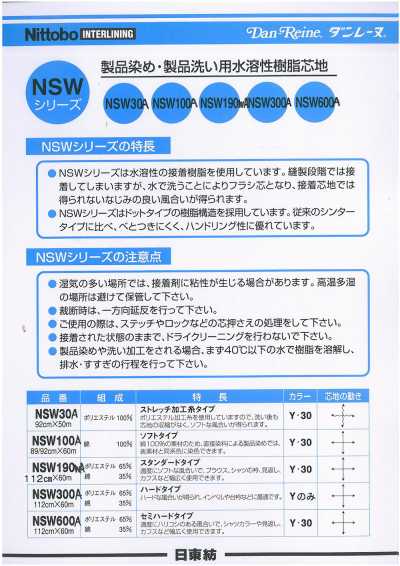
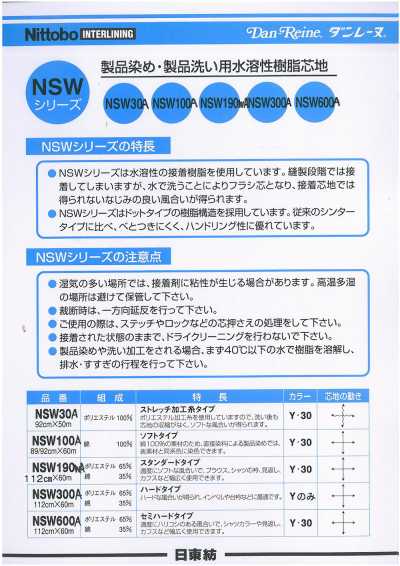
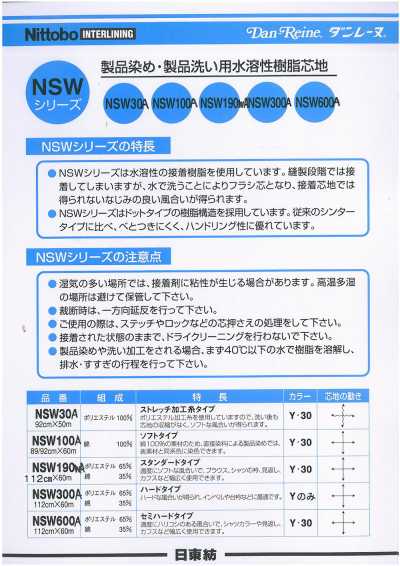
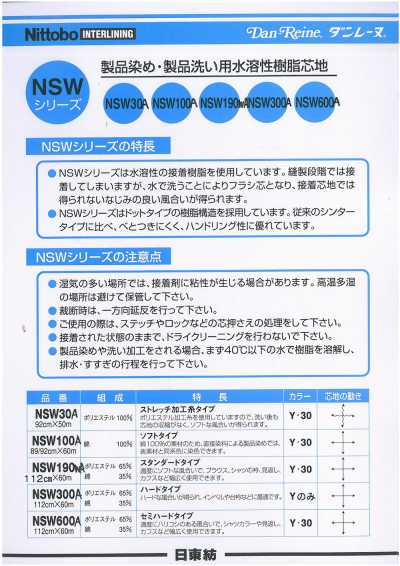
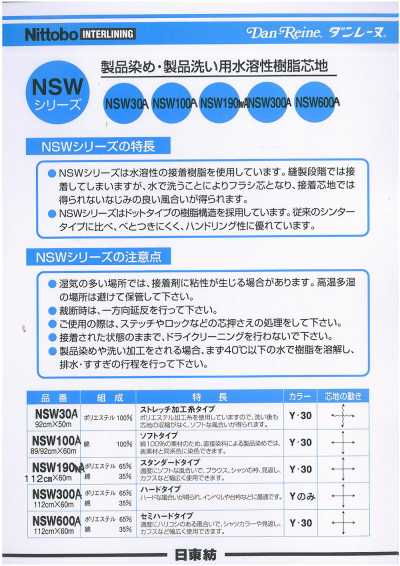
- Buttons, zippers, interlining, and labels should be checked in advance for heat resistance, chemical resistance, and whether dyeing is possible.
- Trims such as leather, metal, and resin should each be checked for risks of discoloration, damage, and color transfer.
Points for Ordering and Quality Control
When placing an order, share the material blend ratio, textile pretreatment, desired color, processing sample, sewing specifications, trim list, and the allowable range for color differences and fading with the processor. Fading refers to a phenomenon in which seam allowances or edges appear darker because of friction or differences in how they absorb dye.
In garment dyeing, shrinkage, twisting, puckering, uneven color, and lot-to-lot variation may occur. Puckering is a condition in which waves or wrinkles appear near the seams. Manage product dimensions based on actual measurements after processing, and correct the pattern if necessary.
For dark or vivid colors, attention is also needed for color fading and color transfer caused by friction or washing. Conduct fastness tests according to the intended washing method and wearing situation, and set washing labels and care instructions appropriately.
Differences from Similar Terms
Piece dyeing often refers broadly to methods of dyeing yarn or textile after weaving or knitting, and garment dyeing is also a type of piece dyeing in the broad sense. In practice, however, dyeing finished garments is distinguished and called garment dyeing or garment dyeing.
Yarn dyed is a method in which yarn is dyed before weaving or knitting. It is suited to patterns and expression using colored yarns. On the other hand, product washing is a process of washing sewn garments and does not necessarily involve dyeing. Product washing may also be combined after garment dyeing.
Frequently Asked Questions
What materials are suitable for garment dyeing?
Materials whose dyeability, heat resistance, and degree of shrinkage or deformation during processing can be checked are considered. The dye used and the resulting color differ depending on the material, and blended fabrics may show color differences. It is necessary to judge not only the textile but also testing that includes sewing thread and trims.
Do dimensions change in garment dyeing?
Shrinkage and twisting can occur during dyeing, washing, and drying, causing dimensions to change. In particular, knit and stretch materials are more likely to be affected, so before mass production, processing tests are performed on the finished product, and the pattern and sewing conditions are adjusted to match the finished standard dimensions.
Are garment dyeing and product washing the same?
No, they are not the same. Garment dyeing is a process of dyeing finished garments, and its main purpose is to add color. Product washing is a process of washing finished products to adjust texture, appearance, shrinkage, and so on. The two may be combined, but their purposes and control items are different.