Yarn Dyed
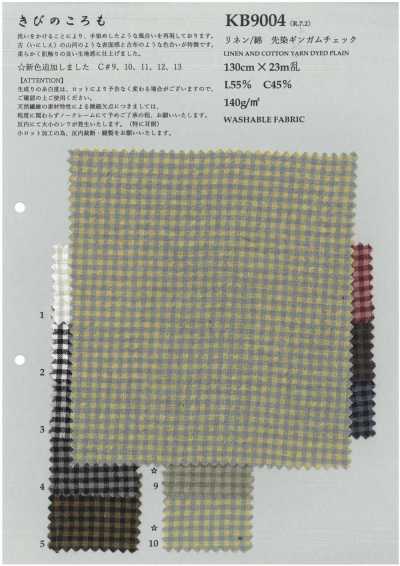
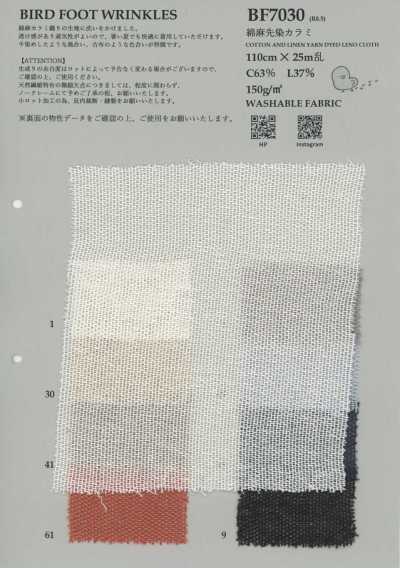
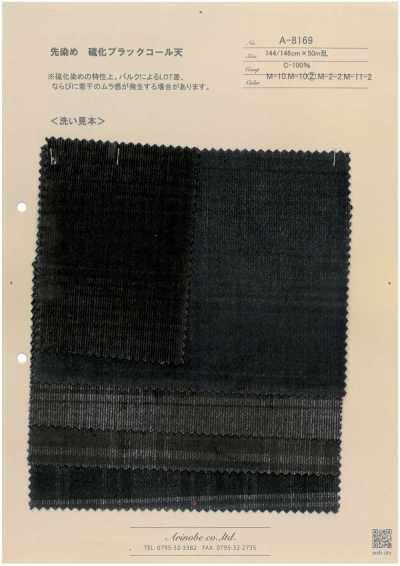
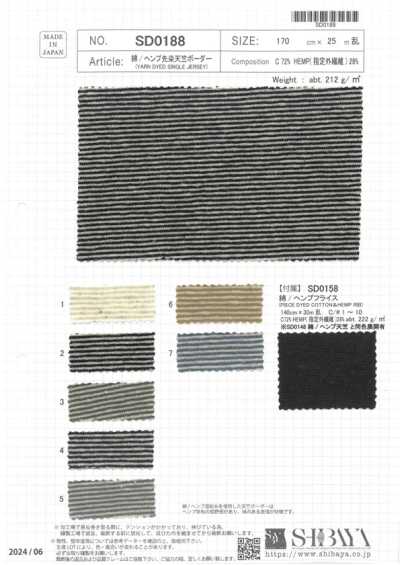
Yarn dyed refers to a dyeing method in which yarn is dyed before being woven or knitted, allowing patterns and depth of color to be expressed through the yarn color arrangement.
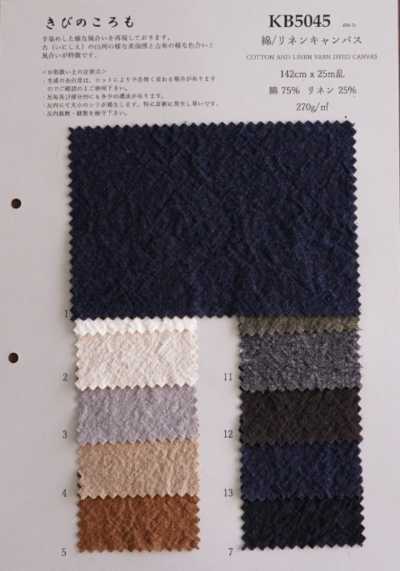
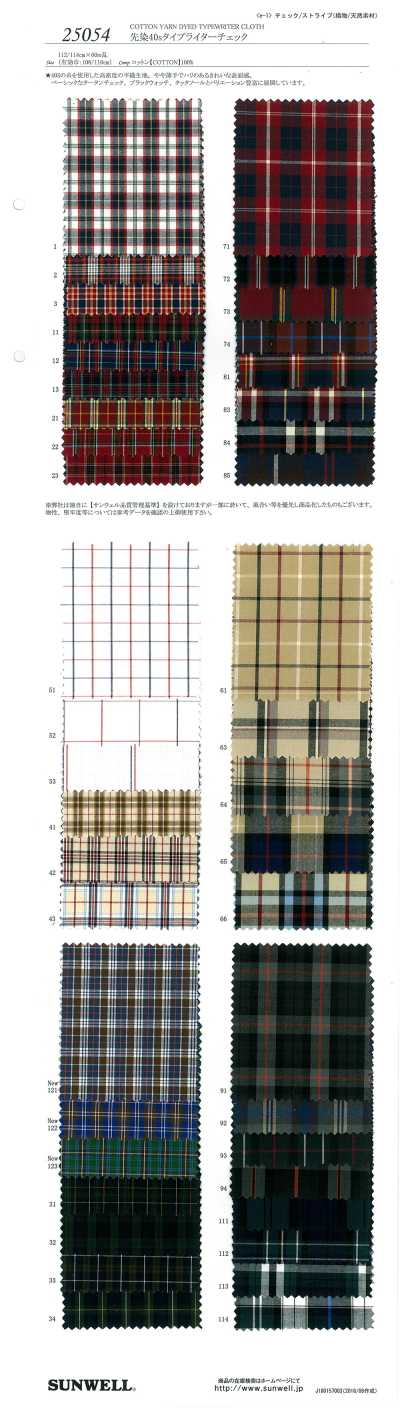
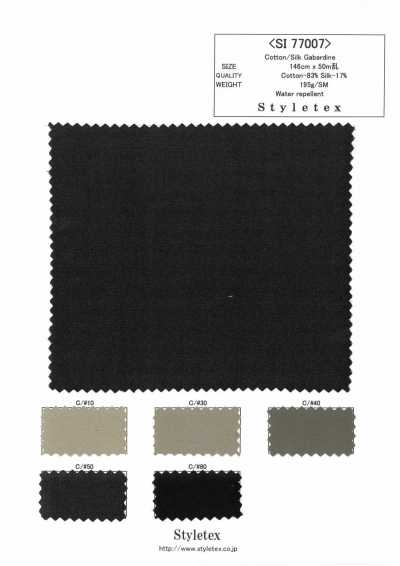
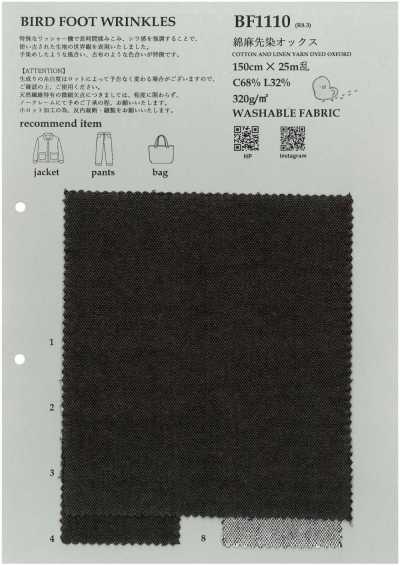
Contents6 sections
Definition and Overview
Yarn dyed is a dyeing method in which the raw material or yarn is dyed first, then used to make woven or knit fabrics. By combining the colors of warp yarns, weft yarns, or knitting yarns, it creates patterns and color depth. It is used not only for solid colors but also for checks, stripes, heathered looks, and more.
Because the yarn is dyed before it becomes textile, the weave or knit structure, yarn thickness, twist, and differences in material and color overlap to create character. Yarn dyed is a term that indicates the dyeing process, not a material name or a weave name.
Characteristics
By crossing yarns of different colors, it is easy to create depth where colors appear to blend together and delicate color changes. Because the yarn itself is colored rather than only the surface, the character created by the weave or knit is easier to see.
In checks and stripes, the pattern is created by the weave or knit structure. Because the appearance may differ on the front and back, or the pattern may appear along the grain, it is important to check the front and back of the textile and the cutting direction during design.
Main Applications
For shirts and blouses, yarn dyed stripes, gingham, and checks are used. For pants, skirts, dresses, jackets, and coats, textiles that make use of yarn color combinations, such as plaid, herringbone, and tweed-like looks, are used.
For lining, yarn dyed patterns such as stripes may be used. In addition, yarn dyed chambray and denim make use of the difference in color between warp yarns and weft yarns, and are used broadly from casual wear to miscellaneous goods.
How to Choose and Handling Notes
Choose according to the application by checking the material, structure, pattern size, and color appearance. Even with the same yarn dyed fabric, thickness, texture, and durability differ depending on the material, such as cotton, wool, or polyester, and the structure, such as plain weave or twill weave. Before production, check the appearance of the pattern while assuming the cutting direction.
The degree of color transfer or fading caused by washing or friction varies depending on the type of fiber, dye, and combinations of dark and light colors. For textiles with contrasting colors or multiple colors, check the colorfastness and consider separate washing for the first wash. Whether pre-washing before sewing is necessary should also be judged by checking the shrinkage rate for each material.
- For checks and stripes, consider pattern matching for the left and right bodice, pockets, collar, and other parts.
- If the pattern has a direction, check the fabric requirement and cutting direction in advance.
- Because the appearance of color and pattern may differ slightly by production lot, be careful with lot control for additional production.
Differences from Similar Terms
Piece dyed is a method of dyeing fabric after it has been woven or knitted. While yarn dyed makes it easy to create patterns through yarn color combinations, piece dyed is suitable for uses such as dyeing fabric into a uniform solid color. However, both yarn dyed and piece dyed can be used to make solid colors or patterns.
Print is a process of applying patterns to the surface of a textile with dyes or pigments. In yarn dyed, the pattern is formed by the color of the yarn, while in print, the pattern is expressed afterward on the textile. Chambray is a look often seen in yarn dyed textiles where the warp yarns and weft yarns are different colors.
Frequently Asked Questions
Do yarn dyed textiles resist fading?
Being yarn dyed alone does not determine whether fading or color transfer is unlikely. Colorfastness varies depending on the type of fiber, dye, dyeing conditions, color depth, and finishing. Especially for products that combine dark and light colors, it is important to check the colorfastness against washing, friction, and sweat.
How do you tell yarn dyed and print apart?
Because yarn dyed fabric is made from colored yarn, the pattern appears along the weave or knit. Because print applies the pattern afterward to the textile, the back side often does not have the same pattern as the front side. However, depending on the processing and structure, it may be difficult to distinguish.
What should you be careful about when sewing yarn dyed check fabrics?
Consider pattern matching so that the check lines continue across the bodice, front placket, collar, pockets, and other parts. The required fabric amount may increase depending on the size and direction of the pattern. Before cutting, check the grain and the direction of the pattern, and it is important to align the appearance on both sides.