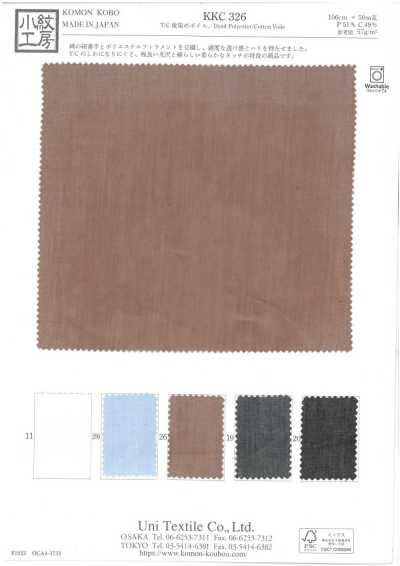
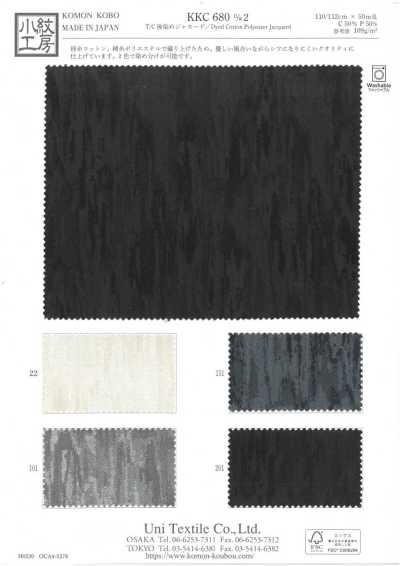
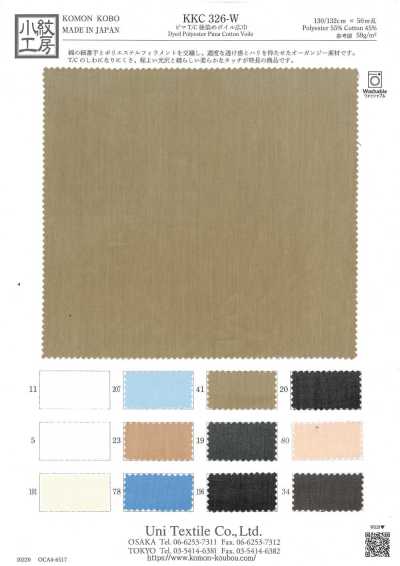
Piece Dyed
Piece dyeing is a method of dyeing woven or knitted fabric after it has been made into textile, by the roll or by textile unit. It can express colors and textures suited to the material and weave, mainly for solid fabrics.
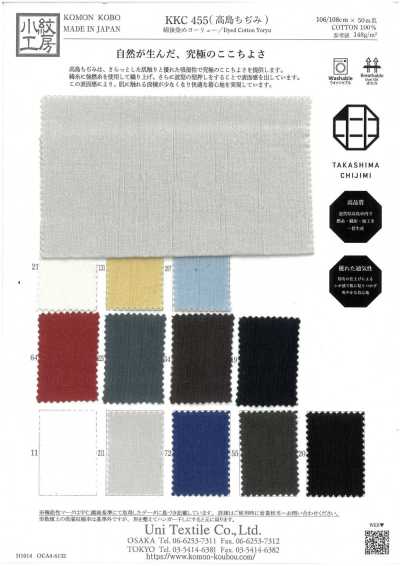
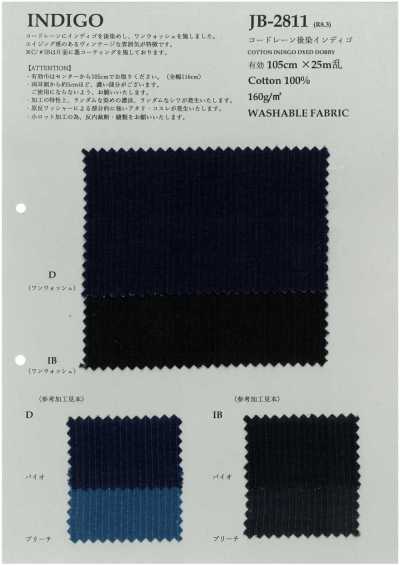
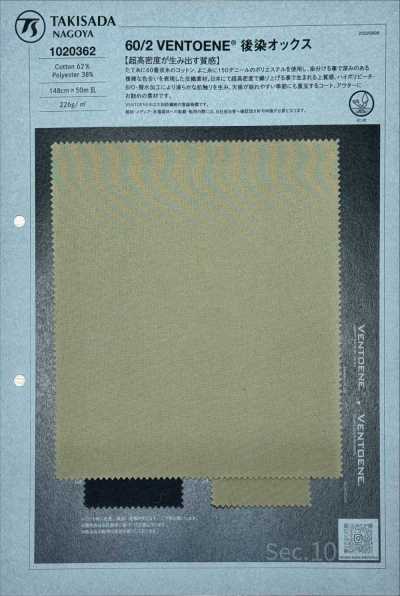
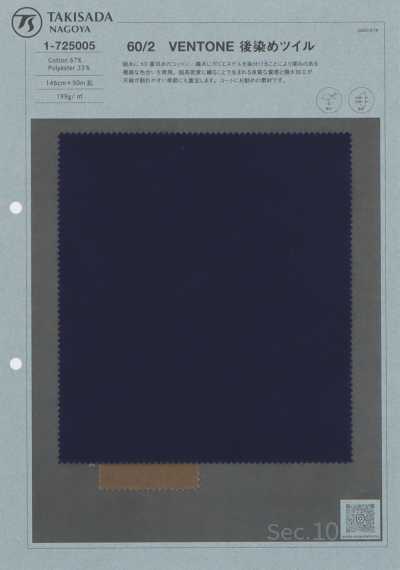
Contents6 sections
Definition and Overview
Piece dyed is a dyeing method in which textile is dyed after weaving or knitting, without dyeing the fiber or thread first. Greige fabric (unfinished fabric before dyeing or finishing) is dyed in roll units or similar, and finishing is performed as needed to adjust the hand feel.
It is used not only when white or light-colored textile is dyed to the desired color, but also when multiple color variations are created using dyeable greige fabric. Color development, texture, and dimensional change vary depending on the combination of dye, material, construction, pre-treatment, and finishing conditions.
Features
It is easy to express a wide range of colors in solid textile, and it is a feature that makes it easy to offer color variations for textile with the same construction and specifications. By combining post-dye washing, brushing, resin finishing, and similar processes after dyeing, the surface feel, softness, and firmness can also be adjusted.
On the other hand, textile is affected by moisture, heat, and tension during dyeing and post-processing. As a result, the finished textile width, fabric weight, shrinkage rate, skew, and hand feel may change from the greige fabric stage. It is also important to note that dyeing and appearance can differ depending on the color.
- Depending on the blend ratio of the material, some fibers dye well and others do not, so a heathered look or differences in lightness and darkness may appear.
- For dark colors, check for color fading due to friction and washing; for light colors, check for the risk of color transfer and how easily dirt shows.
- Even in piece dyed products, color differences may occur due to differences in lots or dyeing conditions.
Main Applications
It is used for a wide range of apparel that uses solid textile, such as shirts, blouses, cut-and-sew items, pants, skirts, dresses, jackets, and outerwear. Suitable methods are selected according to the materials to be dyed, such as cotton, linen, wool, rayon, and polyester, as well as blends.
The season is determined by the textile material, thickness, construction, and finishing, and the fact that it is piece dyed does not itself limit its use to spring/summer or autumn/winter. Since the processing stage is different from garment dyeing, the effect on patterns and sewing specifications also differs.
How to Choose and Handling Precautions
When selecting textile, check the composition, construction, color, colorfastness (resistance to fading and color change), shrinkage rate, textile width, and fabric weight. It is important to confirm in advance whether washing colorfastness, rubbing colorfastness, and the risk of color transfer from sweat or water are appropriate for the product's washing method and wearing environment.
Before mass production, check roll samples or product samples in the actual color, and confirm seam puckering after sewing, compatibility with interlining, and dimensional change after washing. Since dark-colored items may require care labels such as separate washing, consider labeling based on test results.
- Even for the same product number, consider color differences in additional production and secure the required quantity from the same lot whenever possible.
- Before cutting, check color differences, width, and skew for each roll to prevent color variation between left and right body pieces or within the same product.
- For textiles containing natural fibers or regenerated fibers, determine the specifications assuming shrinkage or stretching during washing or in wet conditions.
Differences from Similar Terms
Yarn dyed is a method in which dyeing is done at the thread stage before weaving or knitting. It is well suited to creating patterns and color effects such as stripes, checks, and chambray using thread color combinations, whereas piece dyed is often used to create solid goods by dyeing the entire textile one color.
Printing is a process that adds patterns or color to the surface of textile. While piece dyed refers to the process of dyeing textile in a dye bath, printing expresses design through methods such as screens or digital techniques. Garment dyeing, on the other hand, dyes finished clothing and is distinguished from piece dyeing, which is performed at the textile stage.
Frequently Asked Questions
How should piece dyed and yarn dyed be used differently?
When considering color variations mainly for solid goods, piece dyed is used. When creating checks, stripes, chambray, and similar items that make use of thread color differences, yarn dyed is suitable. However, the appropriate method varies depending on the number of colors, quantity, material, and desired hand feel, so it is checked with textile samples.
Does piece dyed textile shrink easily?
In piece dyeing, moisture and heat are added during the dyeing and finishing processes, so dimensions may change. However, the degree of shrinkage differs depending on the type of fiber, construction, processing conditions, and washing method. It is important to check the shrinkage rate of the textile and conduct washing tests on sewn products before mass production.
What should be noted for dark-colored piece dyed items?
For dark colors, check for fading due to friction, sweat, water exposure, and washing, as well as color transfer to other products. Extra care is needed when contact with light-colored linings, accessories, bags, or furniture is expected. Confirm the colorfastness required for the application, and set the care label and washing method based on test results.