Glass Button
A glass button is a button made by molding glass, an apparel material used both as a garment fastening and as a decorative element, taking advantage of its transparency, luster, and color.
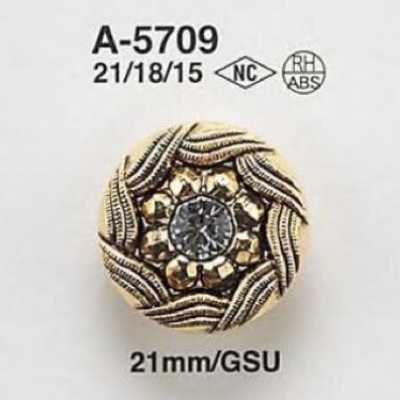
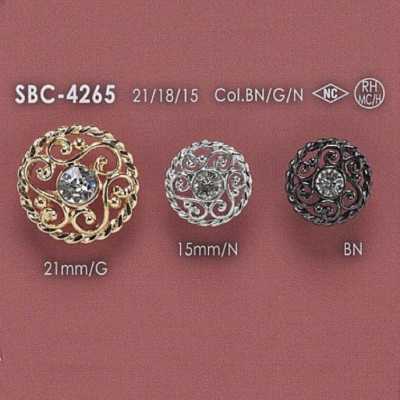
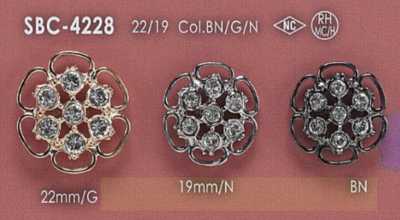
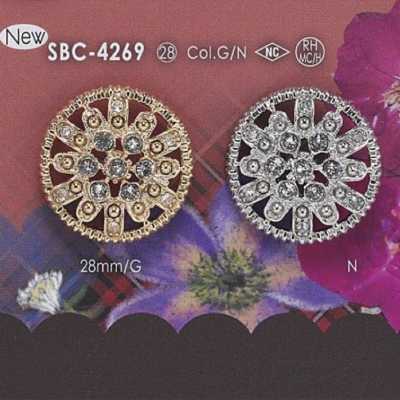
Contents6 sections
Definition and Overview
A glass button is a button made by molding glass as the raw material. It comes in transparent, translucent, and opaque types, as well as colored glass and patterned versions, allowing the unique light reflection and depth of glass to be used effectively.
It is used both as a practical fastening accessory for opening and closing garments and as a highly decorative detail. Because the material has weight and hardness, it is selected with consideration for the intended location, fabric thickness, and sewing specifications.
Material and Structure
Glass buttons include a hole type with sewing holes on the surface and a shank type with a shank on the back through which thread is passed. Hole types include two-hole and four-hole styles, while shank types use structures such as ring shanks.
Hole types are often relatively flat and are suitable for use on front openings of shirts and blouses. Shank types allow the button body to sit away from the fabric, making them suitable for designs that want to show a rounded shape or decorative face.
Glass may chip or break from strong impact or localized force. The edges of the holes and the base of the shank are prone to concentrated stress, so not only appearance but also structural condition should be checked.
How Sizes Are Indicated
Button sizes may be shown by diameter in mm or by ligne. Ligne is a unit used for button dimensions, and in purchase orders and specification sheets, it is easier to check if the same notation, either ligne or mm, is used consistently.
For shapes other than round, the maximum width or maximum diameter as seen from the front may be used as the reference. For shank types, the feel when fastening and unfastening changes depending on thickness and shank height in addition to diameter, so compatibility with the buttonhole should be checked with the actual product.
Main Uses and Attachment Method
Because it can make use of transparency and sparkle, it is used for front openings, cuffs, necklines, and decorative areas of blouses, dresses, cardigans, jackets, dresses, costumes, and similar items. Depending on the fabric and design, it may be used as a decorative button rather than as a fastening.
When sewing it on, use button sewing thread or similar thread, and for hole types, do not pull the thread too tightly at the edge of the hole. For shank types, wrapping the shank and leaving appropriate space between the button and the fabric makes it easier to pass over fabric thickness.
When attaching heavy buttons or buttons on thin fabrics, a reinforcement button may be used on the reverse side to distribute the load on the sewn area. To avoid damaging the fabric, determine the specifications based on the button weight and sewing position.
- For hole types, check the hole shape, such as two-hole buttons, four-hole buttons, and cat's eye buttons.
- For shank types, check the inner diameter of the shank, shank height, and the thickness that can pass through the buttonhole.
- Before mass production, combine fabric swatches and buttons to check fastening performance and sewing strength.
Handling and Differences from Similar Terms
Suitability for washing, dry cleaning, and ironing differs depending on the type of glass, surface finishing, coloring method, and the specifications of the shank or adhesive part. Product washing, strong spin-drying, and contact with other hard accessories can cause damage, so it is important to test under the product conditions in advance.
Directly applying strong heat from an iron or sudden temperature changes may lead to breakage. Follow the product care label and the button specifications by avoiding the button with the iron or using a pressing cloth.
Rhinestones often refer to decorative stone-like parts, and even if they are made of glass, they are not necessarily buttons for fastening. Polyester buttons are made of resin, and their gloss, weight, impact resistance, and handling precautions differ from those of glass buttons.
Frequently Asked Questions
Can glass buttons be machine washed at home?
There is no single answer as to whether they can be washed. Durability differs not only by the glass body itself but also by coloring, surface finishing, shank material, and adhesive specifications. When turning them into a product, check appearance, breakage, and looseness under the intended washing and dry-cleaning conditions.
How do you determine the buttonhole for a glass button?
Consider not only the button diameter but also thickness, shank height, and the dimensions of the most difficult section to pass through. If the buttonhole is too small, stress will be placed on the button and fabric when fastening and unfastening, so confirm ease of opening and closing with the actual item before finalizing the specifications.
Can discoloration of glass buttons be prevented?
The possibility of appearance changes differs depending on not only the color of the glass itself but also surface coloring, coating, and back-side treatment. Avoiding direct sunlight, high heat and humidity, and contact with chemicals is basic, but before adoption, durability should be checked assuming the intended usage environment.