Silk
Silk is a natural animal fiber obtained from silkworm cocoons, characterized by an elegant luster, a smooth feel against the skin, and excellent moisture absorption.
Contents6 sections
Definition and Overview
Silk is a natural animal fiber made mainly from cocoons produced by silkworms. It is often used as filament yarn that makes use of its long fibers, and depending on the weave structure, yarn thickness, and twist, it can be made into a wide range of textiles from thin, sheer fabrics to thick fabrics.
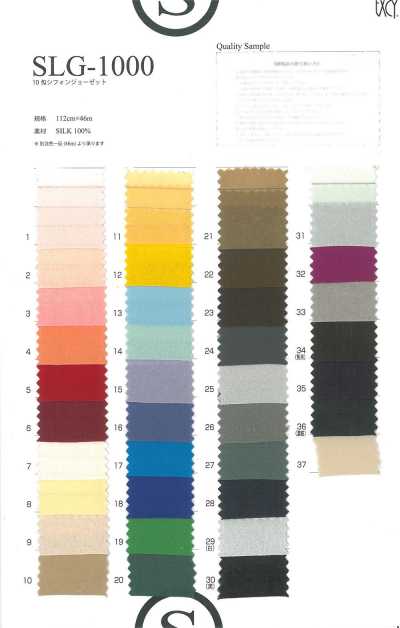
In woven fabrics, it is developed into a variety of expressions such as satin, taffeta, chiffon, organza, and georgette. Even with the same silk, luster, firmness, and drape vary greatly depending on the fabric structure, density, processing, and blend ratio.
Features
Due to the structure of the fiber surface, silk shows a soft, deep luster. When it touches the skin, it feels smooth, and because it has moisture absorption, it is a material that helps reduce stuffiness inside clothing. Thin fabrics are light and are also suitable for designs that require drape.
On the other hand, it may be affected by friction, sweat, moisture, and sunlight. When wet, ring stains or changes in texture may occur, and strong friction can cause fuzzing or whitening to become noticeable. It is important to check the fabric thickness and processing details according to the application.
- It has an elegant luster and a smooth hand feel.
- It has moisture absorption and is a material that makes it easy to maintain wearing comfort even in thin fabrics.
- Depending on the structure and twist, it can express everything from firmness to drape.
- Attention is needed for changes caused by moisture, friction, and ultraviolet rays.
Main Applications
It is used for blouses, shirts, dresses, skirts, dresses, scarves, lingerie, and linings. Satin and habutai are used for formalwear that makes use of luster, while chiffon and georgette are used for layering and decoration that make use of lightness and sheerness.
Relatively thin, lightweight fabrics are suitable for spring and summer clothing and layering, but they are also sometimes used for innerwear and nightwear to take advantage of their warmth-retaining properties. Selection is based not only on the season, but also on sheerness, fabric weight, and whether or not there is a lining.
Selection and Handling Notes
When selecting, check not only the blend ratio but also the weave structure, thickness, sheerness, density, and level of luster. In sewing, needle holes and puckering (seam shrinkage) are likely to stand out, so it is reassuring to choose a fine needle and thread and test the stitch line. For thin fabrics, also pay attention to shifting during cutting and to distortion of the grain line.
For washing and ironing, always follow the product- or fabric-specific care instructions and specifications. In general, for home washing, care is needed to avoid strong rubbing, long soaking, and heavy spin drying. Do not leave sweat or dirt on the fabric, and avoid direct sunlight, high heat and humidity, and friction during storage.
Differences from Similar Terms
Silk is the name of a fiber, while satin, chiffon, georgette, and organza are names that mainly refer to weaving methods or fabric types. These fabrics may be made from silk, but they may also be made from other fibers such as polyester.
Rayon, cupro, and acetate are regenerated or semi-synthetic fibers that may all have smoothness and luster. Some products have a look similar to silk, but because the raw materials, moisture absorption and release, durability, and behavior during washing are not the same, the blend ratio label should be checked.
Frequently Asked Questions
What is the difference between silk and satin?
Silk is a type of fiber, while satin is a smooth, lustrous fabric expression produced by satin weave. Some satins are made of silk, but others are made from polyester and the like. The material label and the weave name need to be checked separately.
Can silk fabric be washed at home?
Some silk fabrics are designed to be washable, but there is a possibility of water stains, shrinkage, color fading, and changes in texture. Whether home washing is possible should be judged according to the care label on the fabric or product. If in doubt, or for products with decorations, consider professional care.
What are the points to note when sewing silk?
Thin or high-density silk is a material in which needle holes, skipped stitches, seam shrinkage, and shifting during cutting are easy to notice. Use a fine needle and thread, and test the seam on scraps. It is important not to pull strongly during cutting and sewing, and to handle the fabric while aligning the grain line.