Swivel
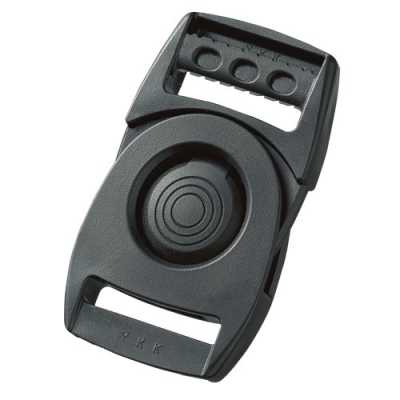
A swivel is a connecting fitting with a central rotating section that lets the rings or tape connection parts on both sides turn, helping prevent straps and cords from twisting.
Contents6 sections
Definition and Overview
A swivel snap is an accessory fitting that connects two ring-shaped attachment parts with a rotating shaft. Because tape, cord, chain, and similar items attached on one side can rotate, it makes it easier to release twisting that occurs during use. It is used to connect bag shoulder straps and removable parts.
The term “swivel snap” varies in shape and in trade usage, and generally refers to a ring with a rotating mechanism. On the other hand, there are cases where a fixed ring that simply passes tape through it is also called a swivel snap, so when ordering, confirm the presence or absence of rotation and the shape of the attachment part from drawings or the actual item.
Materials and Structure
The body is often made of die-cast metals such as zinc alloy, brass, iron, and stainless steel, and in some applications it is made of resin. For metal versions, plating may be applied to adjust the color tone, appearance, and corrosion resistance.
The basic structure consists of ring sections at both ends and the rotating shaft that connects them. The ring sections may be combined with square, round, or snap hook types, and the looseness of the rotating part, smoothness of movement, and resistance to the shaft coming out affect usability and durability.
How to Indicate Size
The size of a swivel snap is often indicated by the inside dimensions of the part through which the tape or cord passes. Choose the inside dimensions that match the tape width to be used, and confirm that the tape passes through easily and still moves after stitching or folding back. Note that the pass-through width cannot be judged from the outside dimensions alone.
Even with the same inside dimensions, weight and appearance differ depending on the wire diameter, frame thickness, and how far the rotating part projects. For specifications in which the tape end is sewn on, make a prototype including the tape thickness, seam allowance, and post-sewing overlap, and confirm that there is no interference with the rotating part or surrounding components.
- Dimensions to check: inside width and inside height of the tape passage
- Shapes to check: square or round ring section, rotation direction, shaft position
- Specifications to check: tape thickness, fold-back amount, movement range after sewing
Main Uses and How to Choose
Main uses include bag shoulder straps, connection points for key holders and pouches, and removable straps for apparel. Where load is applied, do not judge only by appearance or size; determine the specification based on the expected load, pull direction, and number of repeated uses.
When selecting, in addition to compatibility with the tape width, confirm the overall weight balance of the product. Using a heavy metal part for lightweight garments or small items can affect drape and wearing comfort. Conversely, for heavier loads, also consider deformation of the ring section, breakage of the rotating shaft, and the strength of the connecting tape and sewn area as one system.
Usage Notes and Differences from Similar Terms
Depending on conditions such as humidity, sweat, friction, and washing, rust, plating wear, and discoloration may occur on metal parts. For garments that are garment-washed or used outdoors, it is important to verify appearance and function through testing that combines the actual accessories, textile, and sewing specifications.
For products that undergo needle detection, the process should be designed on the assumption that a metal swivel snap will react to the needle detector. Even with a specification described as needle detector compatible, detection conditions vary depending on the machine and operation, so before adoption confirm compatibility with your own company’s or factory’s needle detection standards.
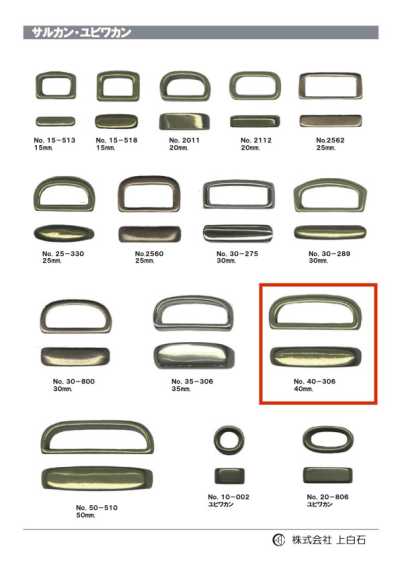
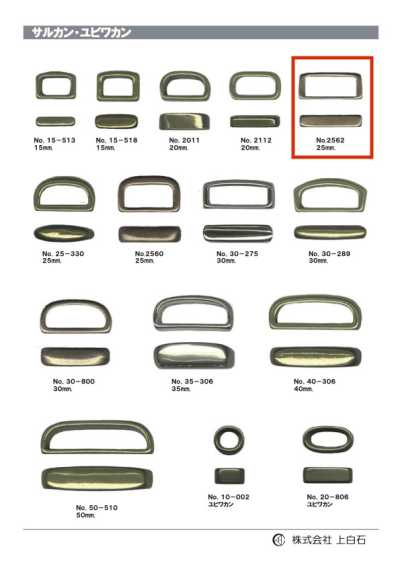
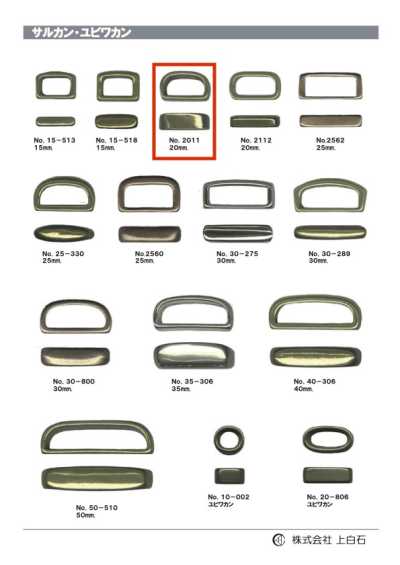
D rings, circular rings, and rectangle rings are fixed rings mainly used to pass tape through or connect other parts. A swivel snap differs in that it has a rotating structure. A snap hook has an opening and closing gate and is a fitting for attaching to and removing from the other ring; this is a function separate from whether it has a rotating mechanism.
Frequently Asked Questions
Should I choose the same inside dimension as the tape width for a swivel snap?
Basically, choose the inside dimensions that correspond to the tape width you will use, but if the dimensions are the same, the thickness of the tape and the folded end may make movement stiff. Especially with thick tape or specifications that use layered stitching, confirm the pass-through fit and the movement range of the rotating part with a prototype, including the thickness after sewing.
How should swivel snaps and snap hooks be used differently?
Swivel snaps are suited to uses that rotate the connection part to reduce twisting. Snap hooks are suited to uses that open and close the gate to attach to and remove from the other side’s D ring or similar part. If you want the strap to be removable and also want to reduce twisting, there are specifications that combine both.
Can metal swivel snaps be used on garments that are washed?
They can be used, but consider the possibility of plating wear, discoloration, and rust due to washing and drying, sweat, and friction. Color transfer to the textile, scratches, and detergent residue in the rotating part are also items to check. Before mass production, confirm appearance, movability, and effects on the surrounding textile under actual washing conditions.
- Search products for "swivel"
- Products with material "Metal"
- Products with material "Brass"
- Products with material "Stainless Steel"
- Products with material "Zinc"
- Products with material "Iron"
- Products with material "Polyacetal"
- Products for style "For Bags"
- Products for style "Outdoor"
- Products for style "For Sports"
- Products for style "For Uniforms/Workwear"
- Browse Buckles And Rings products