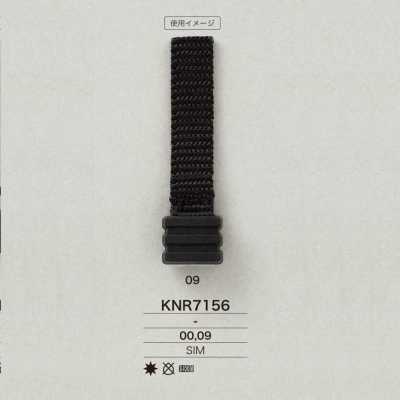
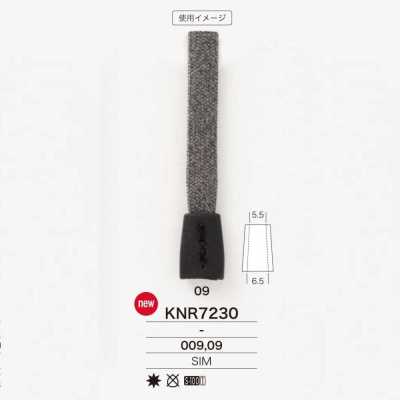
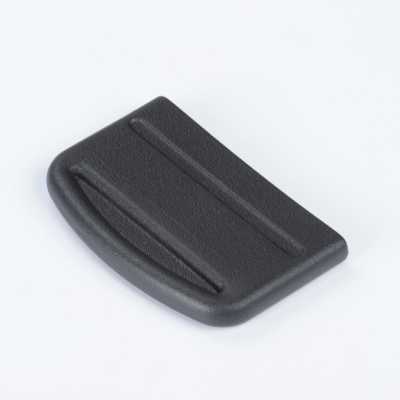
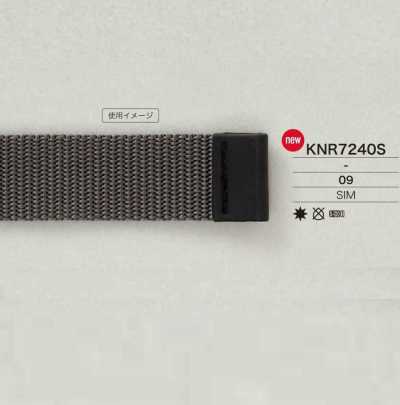
Tape End
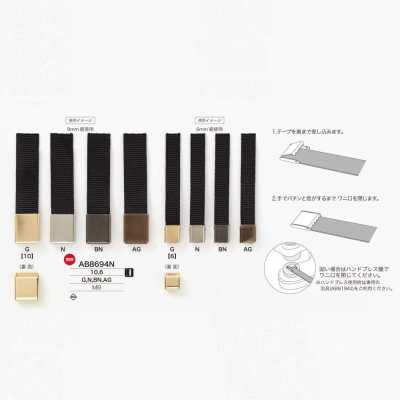
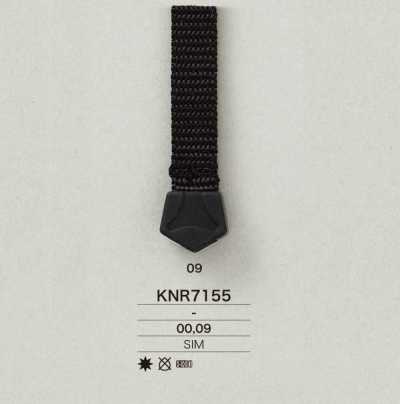
A tape end is an accessory part attached to the end of flat tape, belts, or straps to cover the cut edge and prevent fraying, while also improving the end’s appearance and ease of handling.
Contents7 sections
Definition and Overview
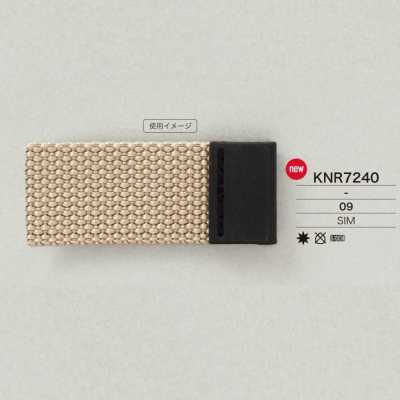
A tape end is a component used to finish the ends of flat woven tape, belts, straps, and similar materials. By covering the cut edge of the tape, it tidies the end and helps prevent the tip from catching during use. Shapes include square types, and it is used by fitting it over the end of the tape or by securing it in place.
Other names include belt end and strap end. In specifications, listing the shape, color, and material of the tape end, as well as the compatible tape width and fastening method, helps reduce misunderstandings.
Materials and Structure
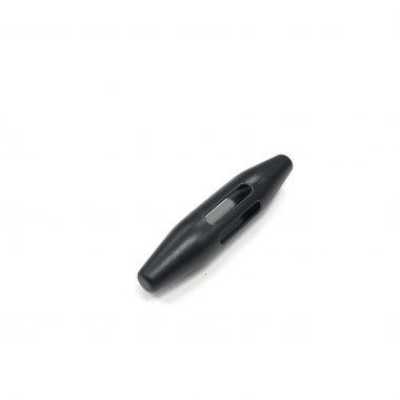
Some are molded from flexible resin such as silicone or thermoplastic elastomer. Soft materials can reduce the hardness felt when they contact clothing or bags, and the feel, abrasion resistance, and appearance vary depending on the resin blend and hardness.
A cap-like structure with an opening for inserting the tape is common. Designs that only cover the end and designs that hold the tape by folding it back or sewing it in place differ in resistance to coming loose and in the required processing steps.
- Silicone types are used to protect the tip while taking advantage of flexibility.
- Thermoplastic elastomer types may be used for their moldability and elasticity.
- Whether fastening is required and the fastening method must be confirmed for each product.
How Sizes Are Specified
When selecting a size, check not only the product's outer dimensions but also the inner dimensions of the part the tape passes through and the compatible tape width. Even if the tape width matches the stated size, thickness, weave density, fraying at the edge, and whether the end is folded back can make it difficult to insert.
If the inner dimensions are too small, the tape or end may deform during installation; if they are too large, the tip may shift or come off. Before mass production, confirm how the tape passes through using sample materials with the same thickness and finish as the actual tape to be used.
- Compatible tape width
- Inner dimensions and depth of the insertion section
- Thickness of the tape and edge finishing
- Whether the tape is passed through in a single layer or folded back and secured
Main Applications
These are used for bag handles and shoulder straps, garment belts, and tape details in outdoor gear and uniforms. In designs where the tip is visible, color, gloss, and corner rounding also affect the overall impression.
Tape ends may be combined with slide adjusters, buckles, and D-rings used for length adjustment. However, these are fittings used to pass tape through and connect or adjust it, and their role differs from that of a tape end, which finishes the tip.
How to Choose and Points to Note
In areas subject to pulling force, evaluate not only the appearance of the tape end itself but also the fastening method to the tape, sewing strength, and the fittings used. A part intended to protect the tip does not necessarily bear the load, so testing suited to the application is necessary.
For specifications that include metal, check for rust caused by humidity, sweat, or washing, discoloration of plating, and any effect on the mating material. Even with resin products, anticipate changes in appearance and function caused by friction, ultraviolet light, washing, or hardening in low temperatures, and confirm them through product testing.
When needle detection is performed on clothing products, process control is important even for non-metal tape ends, including fastening hardware, needles, and broken needles. For products that must be needle detector compatible, share the materials used and inspection conditions with the production site in advance.
Differences from Similar Terms
A cord end is a part used to finish the end of a round cord or spindle cord. While a tape end mainly corresponds to wide flat tape, a cord end is selected based on the cord diameter and the size of the insertion hole.
A belt loop is a loop-shaped section used to pass a belt or cord through and hold it in a set position. It is not a part that covers the end itself like a tape end. Distinguish the application and installation position when specifying it.
Frequently Asked Questions
What tape width can a tape end be used with?
The compatible width varies by product. In addition to the stated compatible tape width, check the inner dimensions of the insertion section, the thickness of the tape, and the amount of fraying at the end. For designs where the tape is folded back and sewn in place, it is important to confirm with a prototype whether the overlapped section can pass through.
Can the strength of a strap be secured with only the tape end?
Some tape ends are mainly intended to tidy the end and are not assumed to bear load on their own. For straps under load, check the strength in the assembled state, including the tape itself, sewing, fittings, and fastening method.
Can silicone tape ends be needle-detected?
Silicone itself is non-metallic, but whether it can be used in a needle detection process depends on the control method for the overall product. Since metal parts may be used for fastening and measures against needle breakage during the process may also be necessary, confirm this together with the needle detector settings and production process.