Urea Button
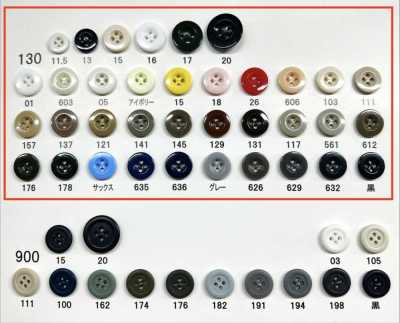
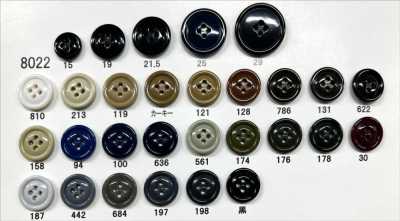
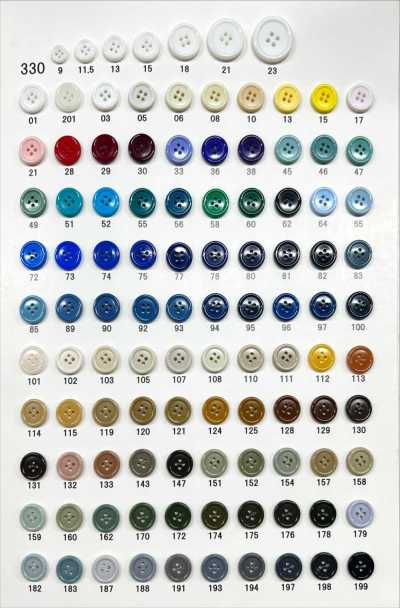
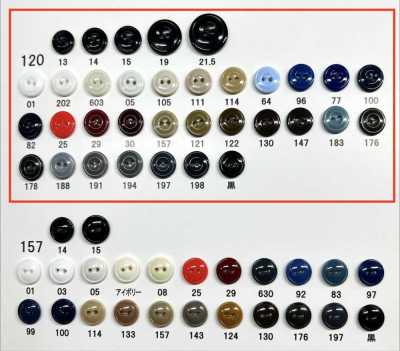
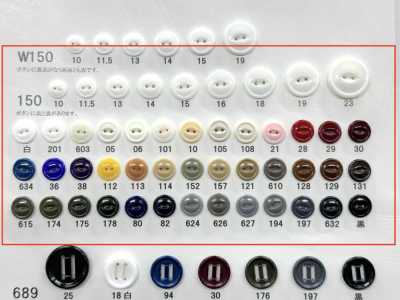
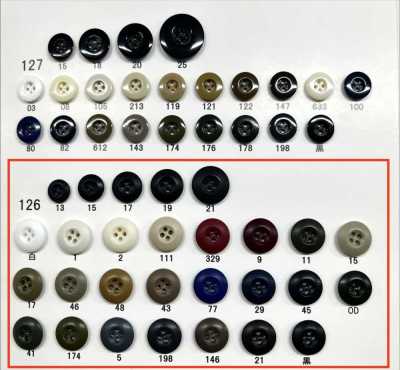
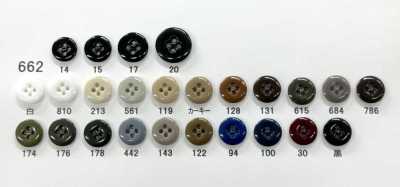
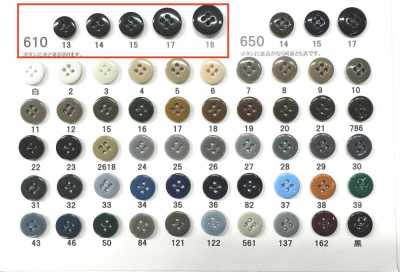
A urea button is a button made by molding urea resin, and it is easy to create colors, patterns, and textures that resemble natural materials such as horn and buffalo horn; it is used for garment front openings, cuffs, and similar applications.
Contents6 sections
Definition and Overview
Urea buttons are resin buttons made mainly from urea resin, a type of thermosetting resin. Through color expression with dyes and pigments, as well as marbled patterns created by blending, they can produce a wide range of appearances from natural-material looks to solid colors.
They are mainly used for shirts, blouses, jackets, coats, pants, uniforms, and similar items. Matching the button’s gloss, pattern intensity, and thickness to the color and surface texture of the garment fabric helps create a balanced overall impression of the product.
Material and Structure
Urea resin has a hard feel, and some products have their surfaces finished through cutting and polishing. Unlike natural buffalo horn or nut, it is a resin-molded material, but its patterns can be designed to resemble these natural materials.
Shapes include two-hole, four-hole, and cat-eye buttons with sewing holes on the surface, as well as shank buttons with a loop on the back for attaching thread. For thin fabrics, a hole-through type may be chosen; for thick fabrics or areas where a three-dimensional look is desired, a shank type may be selected.
- Two-hole / four-hole: A shape sewn on from the front by passing thread through the holes.
- Cat-eye button: A shape with a groove between the holes, making it easier for the thread to sit neatly.
- Shank button: A shape in which thread is attached to the shank on the back, making the stitching less visible on the surface.
How Size Is Expressed
Button diameter is expressed in mm and in lignes. Ligne is a customary unit for buttons, and 1 ligne equals 0.635 mm. In specifications, listing lignes and actual size together, such as "20L" or "approx. 13 mm," makes it easier to align understanding between planning and production.
Even with the same indicated size, the appearance and ease of threading vary depending on the roundness of the edge, thickness, shank height, and hole size. It is important to check the actual opening and closing performance with the buttonhole length, thread thickness, and fabric thickness to be used.
How to Attach and Handling Precautions
For hole-through types, the button should be sewn on with a slight gap between the button and the fabric, and if a thread shank is needed, a thread wrap is made. When the fabric is thick or the area is subject to stress, a reinforcement button may be attached to the back side to disperse the force on the fabric.
Resistance to washing, dry cleaning, and ironing varies depending on the resin formulation, dyeing and surface finishing, and product conditions. Be careful not to apply a hot iron directly to the button, and watch for discoloration, cracking, or changes in gloss caused by chemicals or heat. Testing and confirmation under actual product conditions should be carried out before mass production.
Strong impact such as dropping, excessive tightening during sewing, and buttonholes that are too small can cause chipping or cracking. In addition to checking opening and closing after sewing, durability should be confirmed for products intended to be washed or dry-cleaned.
Differences from Similar Terms
Polyester buttons are also made of synthetic resin, but the type of resin differs from that used in urea buttons. Since it can be difficult to distinguish by appearance alone, specifications that require a particular material should state the material name in the specification sheet rather than the design name.
Real buffalo horn buttons, nut buttons, and shell buttons are derived from natural materials, so color and pattern vary from piece to piece. Urea buttons make it easy to design patterns, but even products with a natural-material look do not mean that the material itself is natural.
Frequently Asked Questions
How do you specify the size of a urea button?
In general, it is specified in lignes and mm. Ligne is the unit used for buttons, and 1 ligne equals 0.635 mm. However, even with the same diameter, the impression and fastening feel change depending on the thickness and edge shape, so actual samples should be checked together with the buttonhole and fabric.
Can urea buttons be used for washing or dry cleaning?
Whether they can be used is determined by the button specifications and the product’s washing and cleaning conditions. Because heat, chemicals, and friction may cause discoloration, gloss changes, or cracking, it is important to test them under the actual fabric, sewing specifications, and care conditions before mass production.
Are urea buttons the same as buffalo horn buttons?
No, they are not the same. Real buffalo horn buttons are natural-material buttons made from buffalo horn, while urea buttons are made from urea resin. Some urea buttons have buffalo horn-like patterns, but this is only an appearance effect and does not mean the material is buffalo horn.