Wood Button
A wood button is a button made by processing wood, and it is an accessory that makes use of the grain and warm appearance of the material, used for casual clothing and garments made from natural materials.
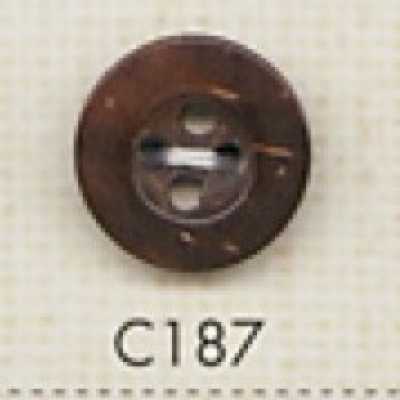
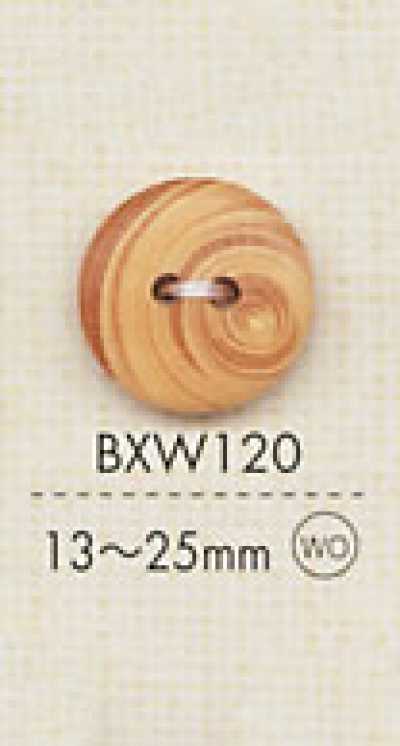
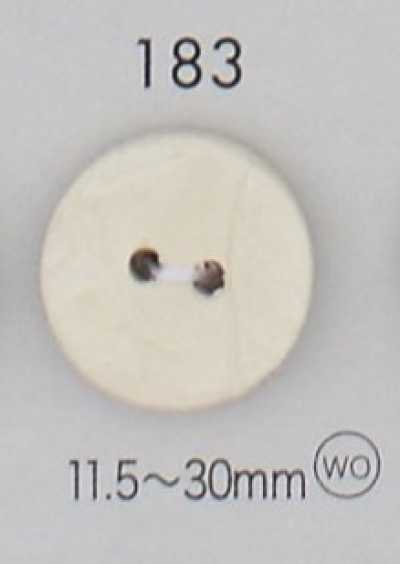
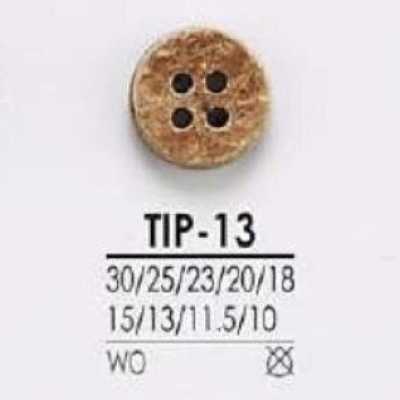
Contents7 sections
Definition and Overview
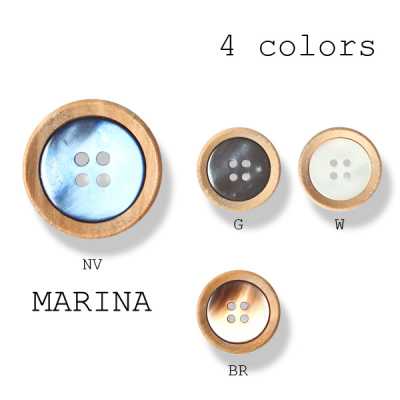
Wood buttons are buttons made primarily from wood. Because the tree species, grain, color tone, and surface finish such as coating or oil can make each piece look different, their natural appearance can be used as a design element. They come not only in round shapes, but also square and irregular shapes.
Because they are a natural material, even within the same product number there may be individual variations in color, grain, and the appearance of knots. In product planning, it is important to share in advance in the specification sheet the range in which such variations are accepted as a material characteristic and the range in which they are managed as appearance standards.
Materials and Structure
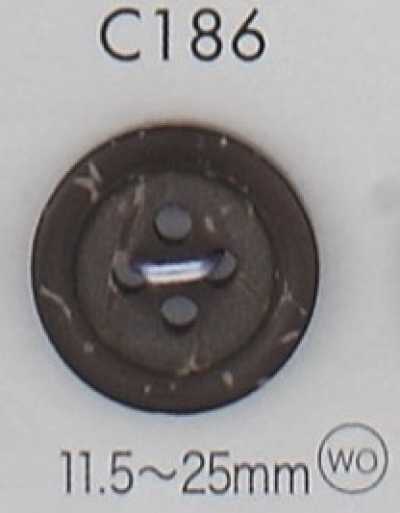
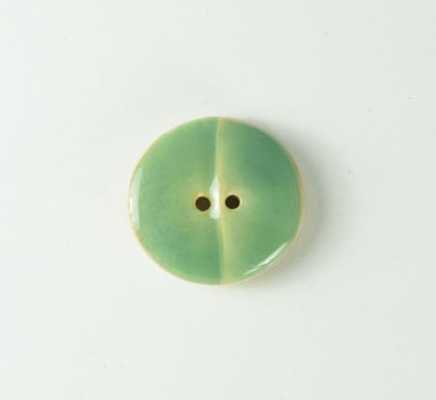
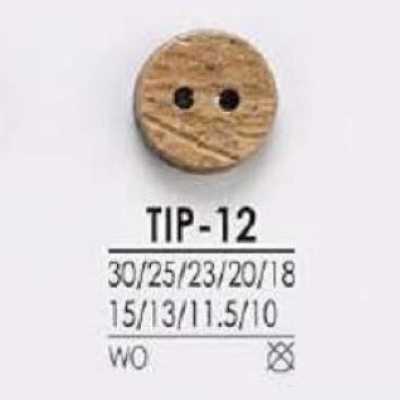
In general, punched styles with two holes or four holes are common, and they are sewn on by threading sewing thread through the holes. Two-hole buttons tend to give a clean look, while four-hole buttons make it easier to distribute the thread shank, so they are also used in areas where you want to reduce button rotation.
A shank button has a structure in which thread is passed through the shank on the back side. It makes a small space between the button and the textile more likely to form, and it is easier to accommodate thick front plackets, but care is needed so that excessive force does not concentrate at the base of the shank. The cutting direction and thickness of the wood, as well as the thickness of the material around the holes, also affect resistance to cracking.
- Punched style: includes two-hole, four-hole, and cat's eye types.
- Shank style: sewn on with the shank on the back side, so the sewing thread is less visible on the front.
- Surface finish: depending on whether it is unfinished, coated, dyed, or similar, the color, water resistance, and hand feel change.
How Sizes Are Expressed
The size of a button is expressed by its diameter in mm, and also in lignes. A ligne is a unit used for button sizes, and in purchase orders and specification sheets the unit should be clearly stated so it is not mistaken for an mm measurement. For non-round shapes, check the height and width or the maximum diameter.
When selecting a size, check the buttonhole length, textile thickness, front placket width, and ease of handling by hand together. In particular, because the thickness and edge roundness of wooden buttons differ by specification, check not only the diameter but also the thickness and whether it passes through the buttonhole using an actual sample.
Main Applications
Because they make good use of the texture of wood, they are used for shirts, blouses, cardigans, dresses, jackets, coats, and similar items. When combined with textiles that have a natural feel such as linen, cotton, or wool, it becomes easier to match the material texture.
Outside apparel, they may also be used for bags, accessories, and fabric products for interiors. However, in areas subject to repeated strong loads or in applications where water exposure is expected, suitability should be judged with the risk of cracking, deformation, and surface deterioration in mind.
How to Attach and Handling Precautions
Punched wood buttons are sewn on with button sewing thread, and a root wrap is used when extra room is needed for thick fabrics or front plackets. Root wrap is a process that creates a thread stem between the button and the textile. If it is tightened too much, the textile may pucker or undue force may be applied to the button, so a thread shank appropriate to the fabric thickness should be secured.
Because wood is affected by moisture, heat, and drying, resistance to washing, dry cleaning, and ironing varies depending on the type of wood and the surface finish. Check not only the care label, but also the test results and handling conditions as an accessory. Do not apply a hot iron directly, and avoid leaving it in a damp state.
Impact or strong tightening may cause cracking around the holes or along the grain. In addition, friction, water exposure, ultraviolet light, and detergents may cause discoloration, color transfer, or changes in surface gloss. Before mass production, it is reassuring to conduct washing tests and appearance checks in combination with the textile.
Differences from Similar Terms
Nut buttons are made by processing tagua, the seed of a palm fruit, and their raw material differs from wood buttons made from wood. Both have a naturally derived appearance, but the grain pattern, hardness, processability, and appearance after dyeing are not the same.
Real buffalo horn buttons are made from buffalo horn, and shell buttons are made from shells. Compared with these natural material buttons, wood buttons are characterized by their grain and matte texture. Also, polyester buttons and urea buttons are made of resin, so their color and pattern uniformity and tendency toward water resistance differ from those of wood.
Frequently Asked Questions
Can wood buttons be machine washed at home?
Suitability for home washing depends on the type of wood, the surface finish such as coating or dyeing, and the washing conditions of the product they are sewn onto. Because there is a possibility of swelling due to moisture, shrinkage due to drying, discoloration, or cracking, washing tests should be conducted on the finished product before adoption, and the care label should be aligned with the accessory handling conditions.
How do you choose the size of a wood button?
In addition to the diameter in mm or lignes, choose by checking the thickness, buttonhole length, textile thickness, and front placket width. Because the ease of passage changes with the shape and edge roundness of wooden buttons, it is important not to decide based only on the specified dimensions, but to actually pass them through the buttonhole and confirm the opening and closing performance.
How do you prevent wood buttons from cracking?
The basics are to choose a shape with enough thickness around the holes and not to tighten the thread too much when sewing. For thick fabrics, use root wrap to reduce the load on the button. Also, check the washing, drying, and ironing conditions, and handle them so as to avoid strong impacts such as dropping or compression.
- Browse Wood Button products
- Products with material "Wood"
- Products for style "For Shirts/blouses"
- Products for style "For Outerwear/blousons/coats"
- Products for style "For Jackets/Suits"
- Products for style "For Skirts And Dresses"
- Products for style "For Kids"
- Products for style "For Bags"
- Browse Button products