Antibacterial Deodorizing
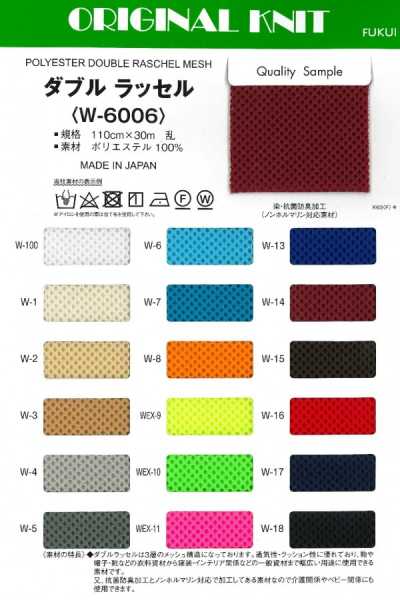
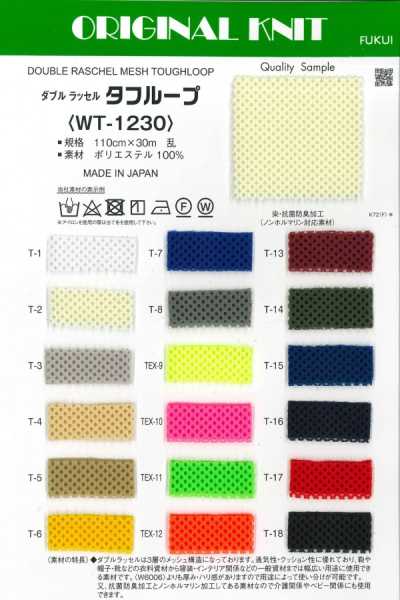
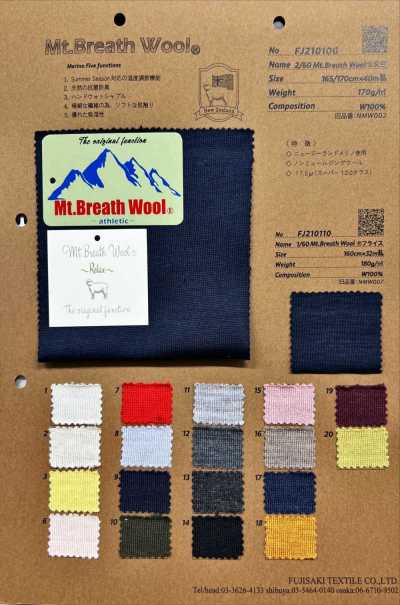
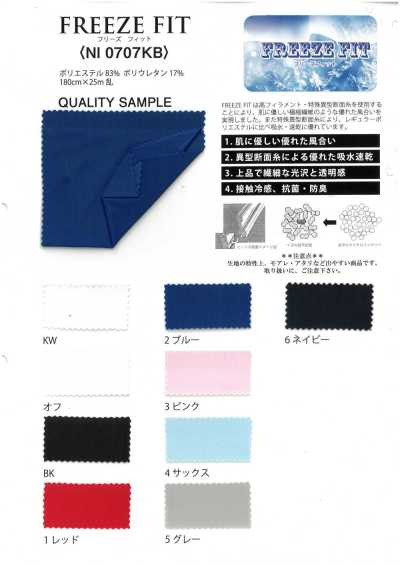
Antibacterial deodorizing is a function or finishing that suppresses the growth of bacteria on fibers and inhibits the generation of unpleasant odors caused by sweat, sebum, and similar substances.
Contents5 sections
Definition and Overview
Antibacterial deodorizing is a function that suppresses the growth of bacteria on fibers and controls odors associated with bacterial growth, through the textile itself or through post-processing applied to the textile. It can be added regardless of fiber type or fabric structure.
“Deodorizing” does not mean completely eliminating all odors. In antibacterial deodorizing, the main target is odors generated when bacteria multiply by feeding on sweat, sebum, and similar substances.
Features and Main Applications
Antibacterial deodorizing properties are used in products that require hygiene and comfort during wear. Depending on the material, processing agent, and processing method, the hand feel, water absorbency, durability, and appearance of color may vary.
It is used not only for clothing worn close to the skin, but also for applications that are likely to come into contact with sweat or moisture. It is used throughout the year, but it is often considered for periods when perspiration tends to increase and for items worn for long hours.
- Innerwear, socks, nightwear
- T-shirts, polo shirts, cut-and-sew items
- Sportswear, uniforms, workwear
- Hygiene products such as masks
How to Choose and Handling Precautions
When selecting, check the target bacteria, test method, and durability of performance after washing in the specifications or test data. For the intended application, it is important to organize in advance whether the item will be home washed or commercially laundered, and how often it will be worn and washed.
The durability of the processing is affected by conditions such as washing, friction, bleach, and heat during drying. Follow the care label and avoid unnecessary high-temperature treatment or the use of strong chemicals. Before sewing, confirm through prototypes whether the processing causes slippage or misalignment during sewing, and whether it is compatible with fusible interlining and printing.
Differences from Similar Terms
Deodorizing is a function that reduces odors by adsorbing, neutralizing, or breaking down odor components. Antibacterial deodorizing is an approach that suppresses odor generation by inhibiting the growth of bacteria, so the target odors and the mechanism of action are different.
Antiviral function is intended to reduce the number of specific viruses on fibers. Since the target is different from antibacterial deodorizing, the presence of antibacterial deodorizing processing alone cannot indicate antiviral performance.
Frequently Asked Questions
Can antibacterial deodorizing textiles completely prevent odors?
No, they cannot completely prevent odors. Antibacterial deodorizing mainly suppresses the growth of bacteria on fibers and inhibits the generation of odors derived from bacteria. For odors caused by the amount of sweat, dirt, storage conditions, and similar factors, proper care such as washing and drying is also necessary.
Are antibacterial deodorizing and antiviral the same function?
No, they are not the same. Antibacterial deodorizing is a function related to suppressing bacterial growth and the resulting odor. Antiviral is a function that targets viruses, and when evaluating labeling or adoption, the test content and scope for each must be checked separately.
- Search products for "Antibacterial deodorizing"
- Products for style "For Innerwear"
- Products for style "For Knits/cut-and-sewn Garments"
- Products for style "For Sports"
- Products for style "For Uniforms/Workwear"
- Products for style "For Masks And Hygiene Products"
- Products for style "Functional"
- Browse Fabric products