Hand Feel
Hand feel is a term that refers to the texture and characteristics unique to a material, comprehensively perceived from the sensation when touching the textile and from its appearance and drape.
Contents6 sections
Definition and Overview
Fabric hand refers to the sensory impression a textile gives, such as softness, firmness, smoothness, a dry touch, or volume. Derived from the English term “hand feel,” it is also sometimes called “hand” in the workplace.
Fabric hand is not determined by a single value. It is created by a combination of fiber type, yarn thickness and twist, weave or knit structure, density, fabric weight, and dyeing and finishing processes.
Elements That Make Up Fabric Hand
Tactile qualities include surface smoothness, suppleness, resilience, bulk, and drape. Visual luster and sheerness, how the fabric feels against the skin when worn, and the sound it makes when rubbed also affect the impression of fabric hand.
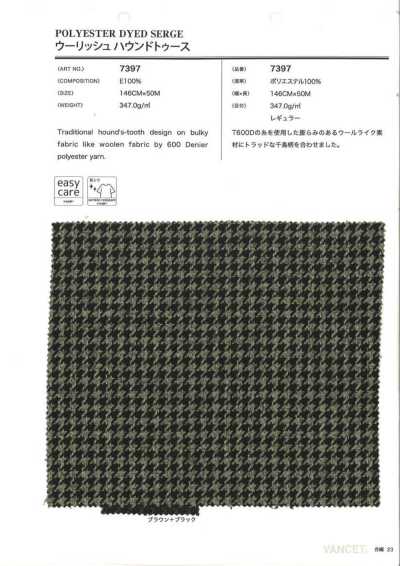
Even with fabric made from the same fiber, the hand changes if the structure or finishing differs. For example, brushing gives a warm, soft impression, while strongly twisted yarn tends to create a crisp, cool feel.
- Soft: a gentle, supple feel against the skin.
- Firmness and body: a condition that helps the fabric hold its shape and gives it a certain degree of stiffness and resilience.
- Bulk: a quality that feels thick and resilient, as if it contains air.
- Drape: the quality of fabric falling naturally and forming folds.
- Crispness: a dry, smooth, springy tactile feel.
Main Uses and Fabric Selection
Fabric hand is an important selection criterion because it affects the design intent and wearing comfort of clothing. Shirts and blouses may require lightness and a pleasant touch, jackets may require firmness and a good tailored appearance, and coats may require bulk and warmth retention.
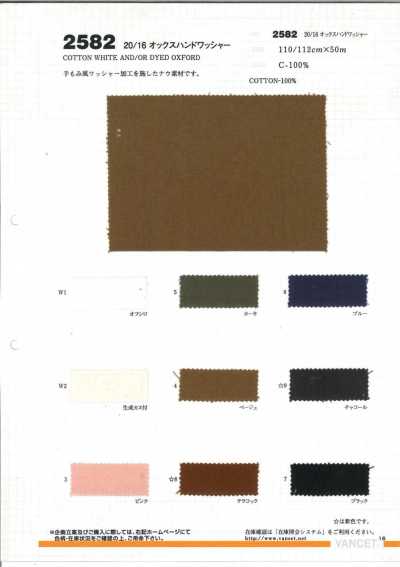
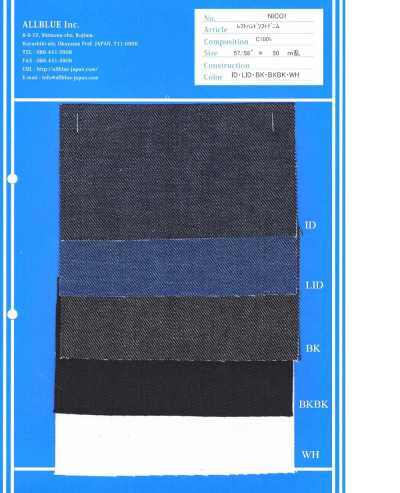
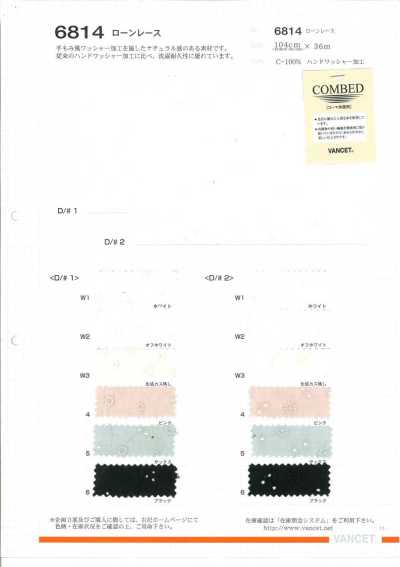
When reviewing fabric swatches, check not only the surface but also by squeezing, bending, draping, and layering by hand. It is important to assume the intended end use, and to confirm the stiffness when interfacing and lining are combined, as well as how it looks after sewing.
Selection and Handling Notes
At the planning stage, share the desired fabric hand in concrete terms, such as “thin and drapey” or “smooth surface with moderate firmness,” rather than simply “soft.” Because the feel may also change depending on color, lot, and processing conditions, confirm with actual samples before mass production.
Washing, drying, and friction during wear can change fabric hand. Shrinkage, fuzzing, pilling, and hardening may occur, so follow the care instructions and determine the product specifications only after testing and confirming the condition after washing.
Thin, soft fabrics and highly stretchy fabrics may be prone to stretching or rippling during sewing. Match the needle, yarn, presser foot pressure, and interfacing to the fabric, and confirm the finish with a sewing sample.
Differences from Similar Terms
Hand feel refers mainly to the sensation at the moment of touching with the hand. Fabric hand, on the other hand, is a term for a comprehensive evaluation that includes appearance, drape, resilience, and the impression when worn, in addition to hand feel.
Fabric weight, density, and yarn count are relatively objective specifications for fabric and yarn. These affect fabric hand, but even if the numbers are the same, the feel will not necessarily be the same if the fiber, structure, or processing differs.
Frequently Asked Questions
How should fabric hand be checked?
Do not just look at the fabric swatch flat; also touch it by hand, squeeze it to see how it recovers, and hang it to see how it falls, checking it in multiple ways. If possible, make a sewing sample and confirm compatibility with interfacing and lining, as well as changes after washing, for practical evaluation.
Is fabric hand the same if the material is the same?
Even with the same material name, the hand changes if the yarn thickness or twist, weave or knit structure, density, or finishing differs. For example, even cotton can range from thin and supple types to dense fabrics with a firm hand. It is necessary to check the actual fabric, not just the material name.
How should fabric hand be communicated when placing an order?
Abstract expressions such as “soft” alone may lead to different interpretations. Separate and communicate the intended use, thickness, firmness, drape, surface texture, and feel against the skin, and share a reference fabric swatch. Also confirm acceptable differences and the properties you want to maintain after washing.