Canvas
Canvas is a thick plain-woven fabric made by densely weaving relatively thick threads, with a durable, firm texture.
Contents6 sections
Definition and Overview
Canvas is a woven fabric made on a plain weave basis, generally using relatively thick yarns woven by alternately crossing warp and weft yarns. Depending on density and yarn thickness, it ranges from lightweight to very heavy types.
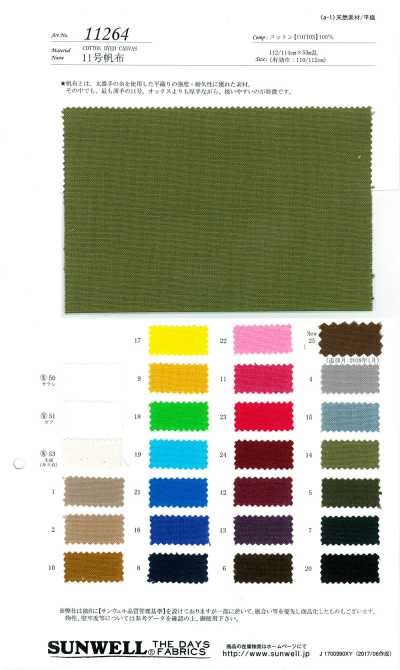
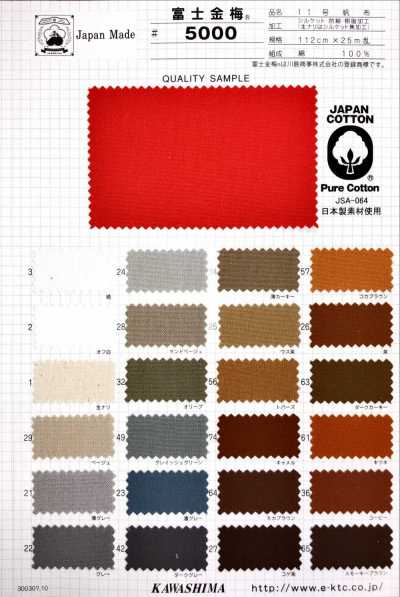
In Japan, it is often called hanpu, a name derived from the durable cloth once used for ship sails. However, in trade, plain-weave heavy materials are also broadly called canvas.
Features
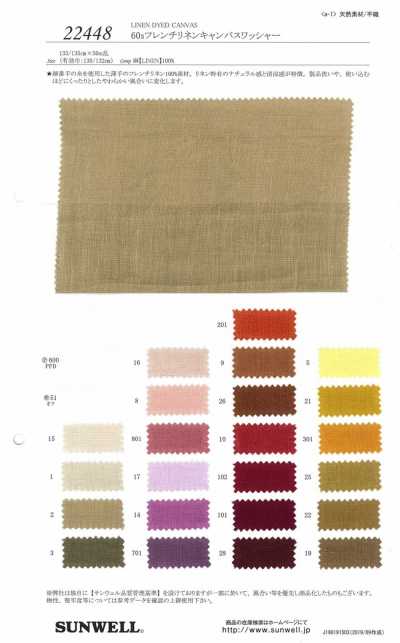
It has a firm hand and body, and is characterized by being easy to achieve durability. Cotton is the most common material, but it is also made from linen, polyester, nylon, and blends of these, with the look and function changing depending on the fibers used.
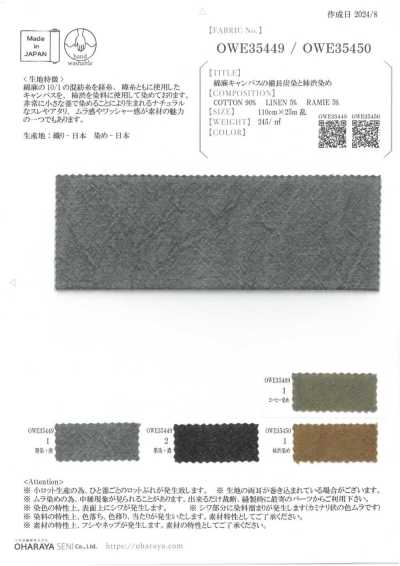
It comes in a range of finishes, from a natural unbleached look to garment-dyed, printed, or washer-finished soft looks. Those treated with water repellency, paraffin, or lamination can gain added water resistance and stain resistance depending on the application.
- The heavier the fabric, the better it holds its shape, making it suitable for three-dimensional items such as bags.
- Cotton and linen types tend to change in texture as they are used.
- Synthetic-fiber versions are used for applications that emphasize lightness and weather resistance.
Main Applications
It is used for bags, pouches, aprons, workwear, uniforms, pants, jackets, and more. Relatively lightweight types are suitable for shirts and miscellaneous goods, while heavier types are suitable for tote bags, storage items, and upholstery.
Taking advantage of its durability, it is also used for outdoor gear, interior covers, and industrial materials. For each application, it is important to choose the fabric thickness, fabric weight, material, and whether or not it has been processed.
How to Choose and Handling Notes
When selecting, check not only thickness but also fabric weight, weave density, fabric width, and finishing. For bags and workwear, confirm durability and ease of handling during sewing; for apparel use, test stiffness, skin feel, and changes after washing with samples.
Canvas containing cotton or linen may shrink, fade, or wrinkle after washing or wetting. Check the shrinkage rate before cutting, and in mass production align the grain before cutting. Heavy fabrics are prone to bulky seam allowances, so the needle, thread, and sewing specifications need to match the fabric thickness.
Processed products such as water-repellent or paraffin-treated fabrics may change in performance and surface feel with washing or friction. Check the care label and processing characteristics, and perform tests before and after sewing as needed.
Differences from Similar Terms
Hanpu is often treated as the Japanese name for canvas, but it can also specifically refer to thick cotton plain-weave fabric. Canvas is a variant spelling derived from the English word Canvas, but it must be distinguished from the schoolyard term campus.
Oxford is also a plain-weave fabric, but it is generally characterized by a weave structure made by weaving multiple yarns together. Canvas is often treated as a heavier material with a tougher, rougher look.
Frequently Asked Questions
Are canvas and hanpu the same?
Does canvas shrink when washed?
Canvas made from cotton or linen may shrink when washed in water. Dark colors may also fade or turn white, and processed products may change in texture. Before production, check the care label, shrinkage rate, and color fastness of the fabric, and perform wetting or other tests as needed.
What should be noted when sewing canvas?
Heavy canvas becomes thicker at overlapping areas such as seam allowances and handle attachment points. Choose a needle and thread thickness suitable for the fabric, and check for skipped stitches, needle breakage, or feeding problems at the start of sewing and at thickness changes. It is important to carry out sewing tests with the actual number of overlapping layers before mass production.