Water Repellency
Water repellency is the degree to which a textile’s surface is evaluated in a test for its ability to repel water droplets and resist spreading wetness. It is different from water pressure resistance, which indicates performance in preventing water penetration.
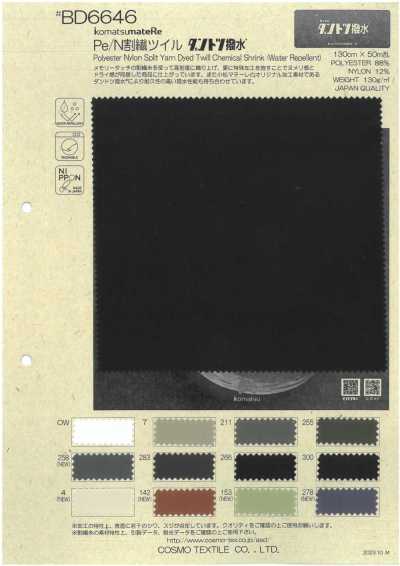
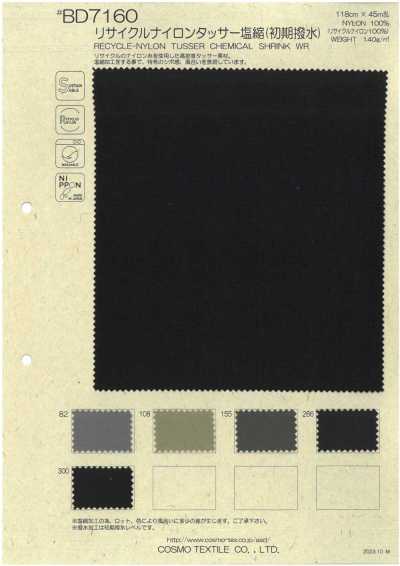
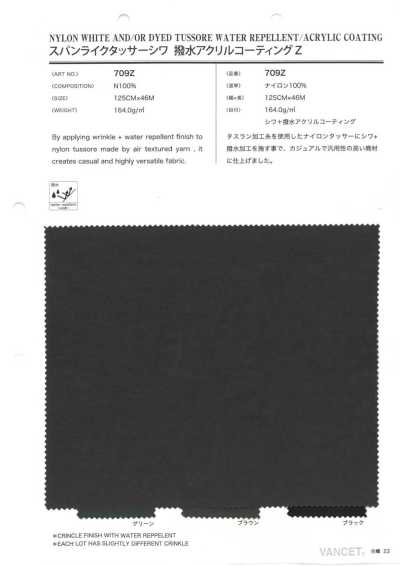
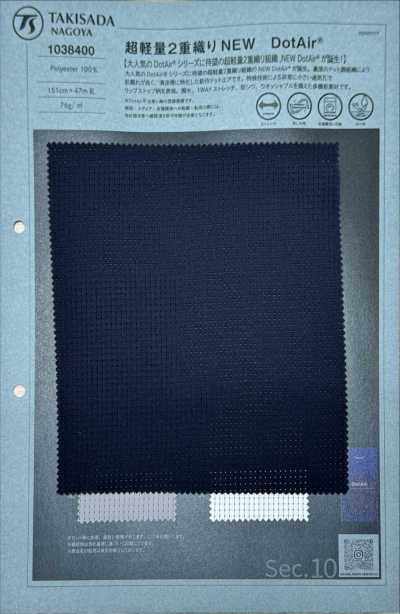
Contents6 sections
Definition and Overview
Water repellency is an indicator that evaluates how water adhering to the surface of a textile beads up and rolls off, making it less likely to wet the surface. It is affected not only by the properties of the fibers themselves, but also by water-repellent finishing, yarn usage, woven or knitted density, and surface texture.
Evaluation methods include observing how the textile wets after water is applied to the surface. Because results cannot be compared simply when test methods and judgment criteria differ, planning and procurement should confirm the test method, initial performance, and post-wash performance together.
Features and Appearance
Textiles with water repellency tend to let raindrops and splashes remain on the surface, making them suitable for light rain and dirt. Because they do not readily absorb water, they can also help reduce the weight and cold feel immediately after getting wet, but this does not mean they are completely waterproof.
Depending on the type of finishing and textile structure, the hand feel changes. In lightweight fabrics, the result may be a relatively crisp feel, while some finishes may add firmness, stiffness, or a glossy surface. It is important to confirm compatibility with the drape and matte finish required for the product.
Main Applications
Textiles requiring water repellency are used for outerwear, blousons, coats, pants, bags, and other items that are often exposed to rain or splashes. They are also selected according to application for commuting and school wear, outdoor use, sportswear, uniforms, and workwear.
Especially for outerwear used during the rainy season or in autumn and winter, resistance to wetting on the outer fabric affects comfort during wear. On the other hand, it is not always an essential performance requirement for linings or mid-layers, so selection should be based on the wearing environment, the expected level of rain protection, and priorities relative to moisture permeability and breathability.
Selection and Handling Precautions
It is important not to judge waterproofness by water repellency alone. For products that must handle heavy rain or prolonged rainfall, confirm not only the textile's water resistance but also water penetration from seams, zippers, pocket openings, and similar areas. Waterproof breathable materials combine water repellency with a structure that suppresses water penetration.
Water-repellent performance can decline due to friction during wear, adhesion of sebum and dirt, washing, heat, and other factors. Follow the care label and check whether fabric softener can be used and what drying conditions apply. In sewing, water can enter through needle holes, so for products that require waterproofness, the seam specification must also be considered separately.
Depending on the textile, washing may cause shrinkage or dimensional change, so shrinkage rate should be checked separately from water repellency. Before mass production, it is reassuring to make samples using the actual components and sewing conditions, conduct washing tests, and confirm whether there is surface fading, seam misalignment, or uneven finishing.
Differences from Similar Terms
Water-repellent finishing refers to the finishing itself that makes the textile surface less likely to get wet, while water repellency is the performance obtained as a result. Water repellency refers to the general property of repelling water, so when showing values or grades, it is used separately from water repellency.
Water resistance is an indicator of resistance to the pressure that water exerts as it tries to pass through the textile. Even when water repellency is high, water may penetrate under pressure or through seams. Depending on the application, water repellency, water resistance, and moisture permeability should be checked comprehensively.
Frequently Asked Questions
If water repellency is high, will rain never soak in?
It does not necessarily prevent soaking. Water repellency indicates the degree to which the surface repels water, and it does not show resistance to water pressure or water penetration through seams. For rainwear and similar items, water resistance, textile structure, and seam sealing also need to be checked.
Can water repellency be restored if it declines after washing?
In some cases, removing dirt and drying properly can improve the surface's water repellency, but whether it can be restored and how depends on the finishing and the material. Check the care label and the textile handling instructions, and consider reapplying a water-repellent treatment if necessary.