Color Bleeding
Color bleeding is a phenomenon in which color such as dyes or pigments comes out of the textile due to moisture, sweat, friction, heat, and other factors, and stains other areas or contacting materials.
Contents6 sections
Definition and Overview
Color bleeding is a phenomenon in which color seeps out from dyed textile and transfers to other textiles, trims, lining, and similar items that come into contact with it. It can occur not only during washing, but also due to sweat, rain, friction, and storage conditions while being worn.
Unlike fading, in which color remains visible on the surface of the textile, color bleeding can stain surrounding materials. The type of dye, dyeing process, fiber properties, finishing, and usage environment all affect how likely it is to occur.
Appearance and Impact on Quality
When color bleeding occurs, staining may appear on light-colored contrast pieces, lining, lace, sewing thread, and similar components, making the boundary between colors less distinct. When dark and light textiles overlap in a wet state, transfer of color becomes more noticeable.
This is different from a process that expresses the original texture and is treated as an unintended change in appearance. How resistant it is to color bleeding is related to performance under conditions such as washing, friction, and sweat within colorfastness.
Products and Use Cases Prone to Occurrence
In garments that combine dark and light colors, printed textiles, lined products, and layered items, color bleeding can easily affect product appearance, so confirmation is important. Shirts, dresses, pants, denim products, sportswear, and uniforms also require attention depending on the color scheme and wearing conditions.
It can occur in any season, but confirmation is especially needed during sweat-prone seasons, in rainy weather, and for applications that require frequent washing. Leaving items wet or keeping laundry tightly packed together increases the risk of color transfer.
Selection and Handling Precautions
During the planning stage, check not only the textile to be used on its own, but also combinations with light-colored contrast fabrics, lining, interlining, tape, sewing thread, and similar materials. During prototyping, it is important to evaluate based on the intended washing method and conditions involving friction, sweat, and moisture.
During sewing, check contact points between dark textiles and light-colored materials, as well as processes in which moisture or heat is applied after sewing. Shrinkage of the textile is a separate quality item from color bleeding, but when evaluating appearance after washing, it is easier to judge if it is checked together with shrinkage rate.
For consumers, provide guidance in line with care labels and product characteristics, such as washing dark items separately from light ones and avoiding leaving them wet or subjecting them to strong friction.
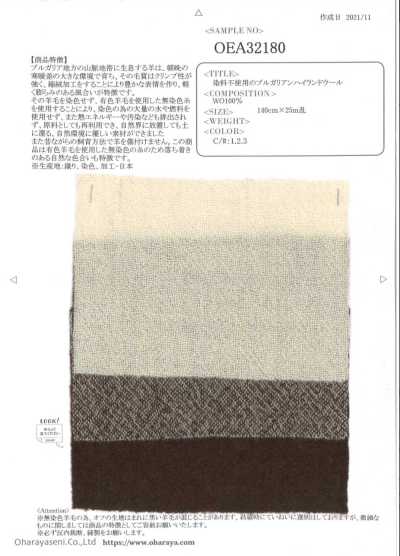
- For color-blocked areas, check for transfer caused by contact while wet.
- Before mass production, conduct combination tests including all auxiliary materials used.
- Check whether there is any difference between the care label and the actual care method assumed.
Differences from Similar Terms
Color bleeding is a phenomenon in which color comes out and stains other areas. Fading is a phenomenon in which the color of the textile itself becomes lighter due to light, washing, friction, and similar factors, and does not necessarily involve staining other materials.
Colorfastness is a property used to evaluate how little color changes or transfers under washing, friction, sweat, light, and similar conditions. Color bleeding is understood as a specific phenomenon that appears in a product when that performance is insufficient.
Frequently Asked Questions
What is the difference between color bleeding and color loss?
Color loss refers to a state in which the textile itself loses color due to washing, friction, or similar factors. Color bleeding focuses on the color that comes out and stains another textile or trim. Since both can occur at the same time, products should be checked from both the perspective of color change and transfer.
Can color bleeding be checked before washing?
Although it is difficult to predict completely, in the prototyping stage, materials with different lightness and darkness are combined and checked under assumed conditions such as washing, wetting, and friction. In particular, it is practically important to check for transfer to light-colored contrast fabrics, lining, tape, and sewing thread.
How should dark products with a risk of color bleeding be handled?
Follow the care label and, in general, wash them separately from light-colored items and do not pile them up while wet after washing. Even when they become wet from sweat or rain, avoiding prolonged contact with light-colored bags or clothing helps reduce the risk of color transfer.