Cotton-linen
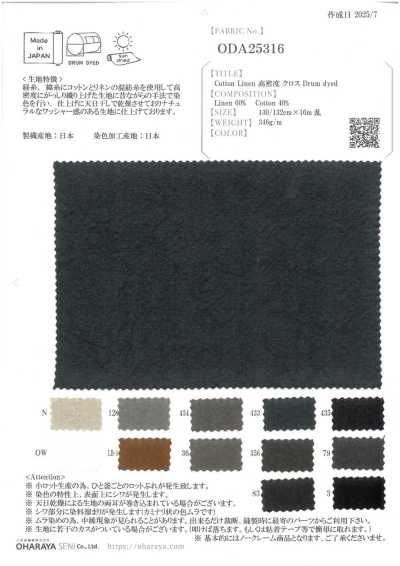
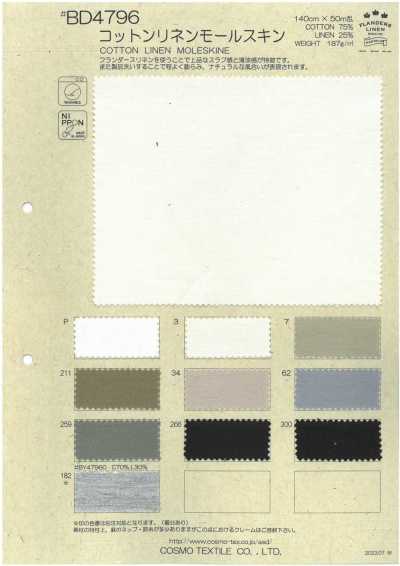
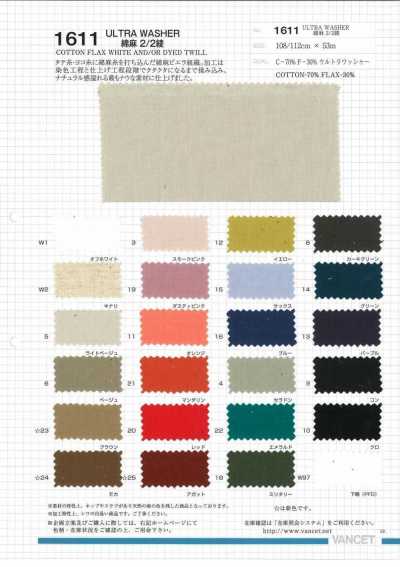
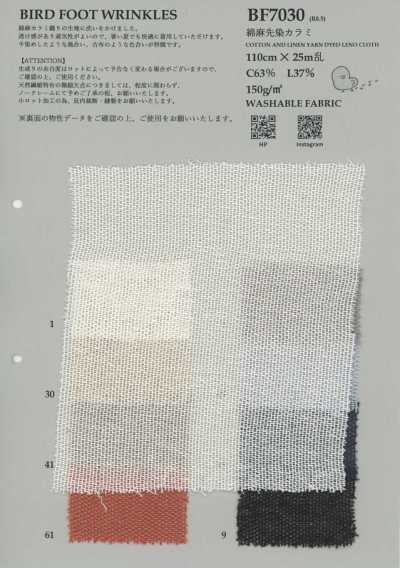
Cotton-linen is a general term for materials made by blending or using union fabric of cotton and linen, and it is a fabric that combines cotton's softness with linen's cool feel and natural appearance.
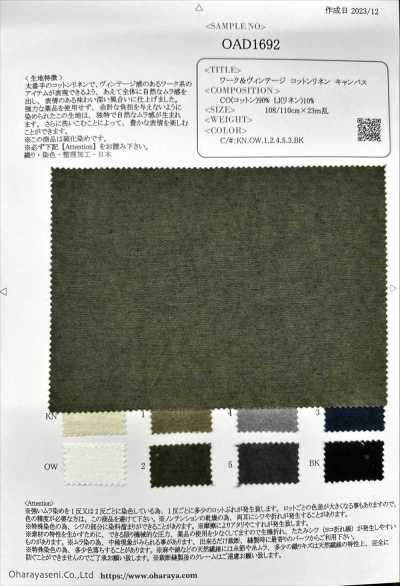
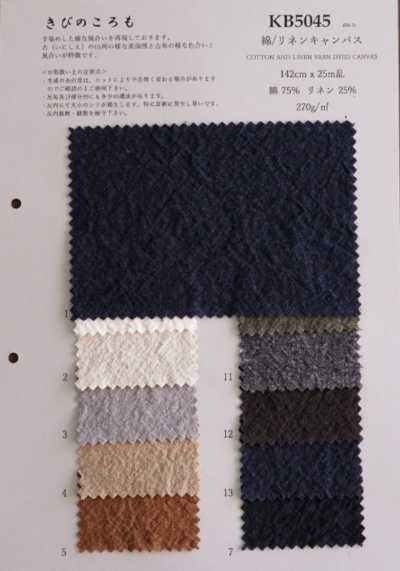
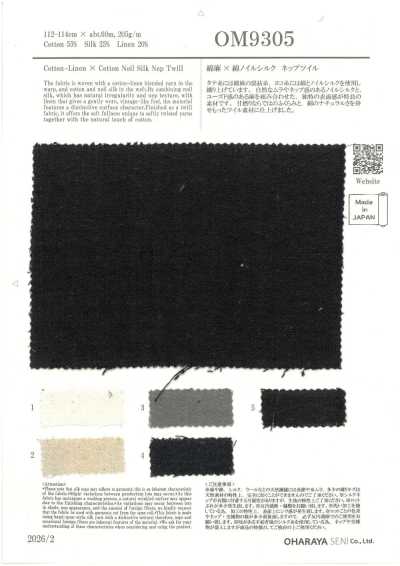
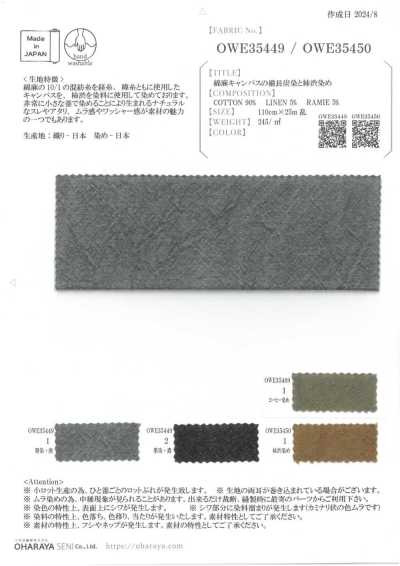
Contents5 sections
Definition and Overview
Cotton-linen refers to materials made by combining cotton and linen. In addition to blends where the fibers are mixed at the yarn stage, there are also union fabrics that use different materials for the warp and weft. Properties vary greatly depending on the blend ratio, yarn thickness, weave, and finishing.
Linen includes types such as linen, ramie, and hemp, but in fabric labeling, cotton-linen often refers to a combination with linen. However, the type of linen and the blend ratio should be confirmed individually in specifications and care tags.
Texture and Function
It adds the soft, familiar feel of cotton along with the crisp touch, textured surface, and dry feel that are characteristic of linen. The unevenness and neps typical of natural fibers create a rustic, cool appearance.
It is generally expected to have moisture absorbency and breathability, and is used for spring and summer clothing. On the other hand, the way wrinkles appear, firmness, sheerness, and drape depend on the blend ratio and density. It is important not to judge thickness or wearing comfort from the cotton-linen name alone.
There are also fabrics that use cotton-linen yarn only in part, as well as materials blended with other fibers. Adding polyester can increase firmness and ease of handling, while adding rayon can create better drape.
Main Applications and Seasons
It is used for shirts, blouses, dresses, skirts, and pants, as well as lightweight jackets and outer layers. Thin fabrics are suitable for midsummer clothing and items without lining, while fabrics with higher density and fabric weight are suitable for bottoms and jackets.
Depending on the weave, such as plain weave, typewriter cloth, dungaree, and dobby, the look and suitable applications differ. During planning, confirm sheerness, fabric glide, required strength, and tailoring appearance with samples.
- Shirts and blouses
- Dresses and skirts
- Pants
- Lightweight jackets
- Spring and summer accessories and interior items
How to Choose and Handling Notes
When selecting, in addition to the blend ratio, confirm fabric width, fabric weight, density, weave, and whether finishing has been applied. Light-colored, thin cotton-linen may be sheer, so consider layering and whether a lining is needed. Neps and slubs may be treated as part of the material’s character, but acceptable standards should be shared in advance.
Since both cotton and linen tend to shrink when exposed to moisture, perform shrinkage tests before production and, if necessary, consider pre-washed or shrink-resistant fabric. Since the degree of wrinkling, dimensional change, and color fading after washing varies by fabric, care instructions should be set based on test results.
In sewing, be careful of seam shifting, fraying, and puckering in fabrics with a loose weave or thin fabrics. Align the grain before cutting, and choose the right needle, sewing thread, and seam finishing for the fabric. When pressing, use a pressing cloth and avoid shine and fading caused by strong pressure.
Frequently Asked Questions
What is the difference between cotton-linen and 100% linen?
Cotton-linen is a material that combines cotton and linen, bringing in the softness of cotton while making use of linen’s cool feel and appearance. 100% linen is made only of linen, so it tends to show more of linen’s characteristic firmness and wrinkling. The actual difference also depends on the weave and finishing.
Does cotton-linen shrink when washed?
Cotton-linen may shrink and wrinkle when washed. The amount of shrinkage varies depending on the blend ratio, weave, dyeing and finishing, and washing conditions, so it cannot be judged uniformly. Perform washing tests on the fabric and consider pre-washing before cutting, or reflecting shrinkage in the finished dimensions.
Is cotton-linen fabric difficult to sew?
With thin fabrics, loose weaves, or soft cotton-linen, grain misalignment during cutting and seam shifting during sewing may occur. Straighten the grain before cutting, do test stitching with a fine needle, and adjust thread tension and stitch count to match the fabric for greater stability.