Crêpe de Chine
Decin is a thin to medium-weight woven fabric made with strongly twisted yarns, featuring fine texture, subdued sheen, and soft drape.
Contents6 sections
Definition and Overview
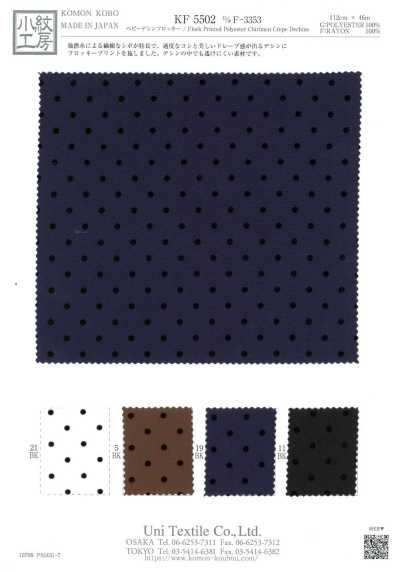
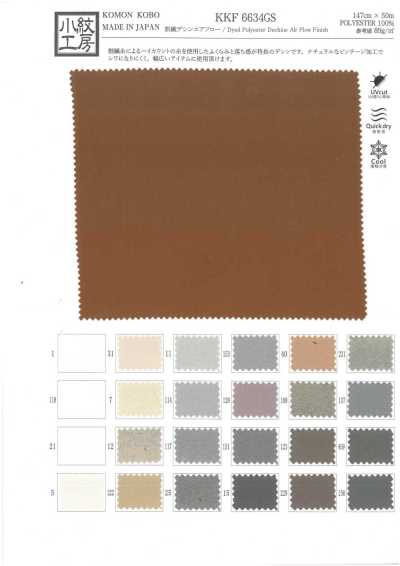
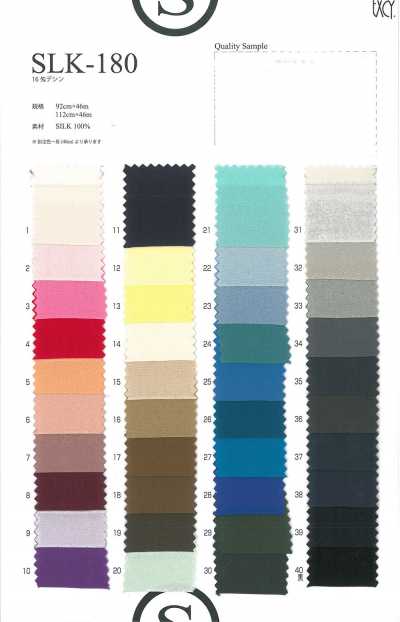
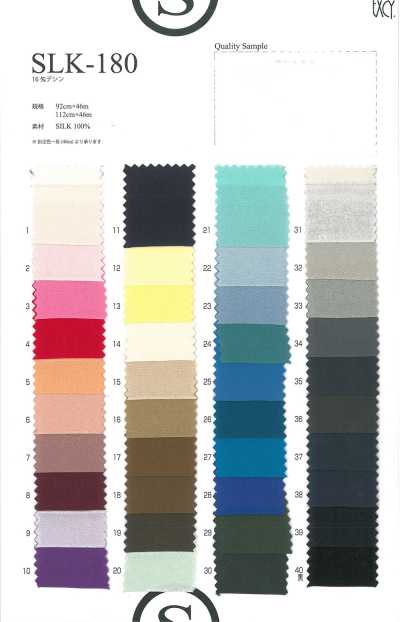
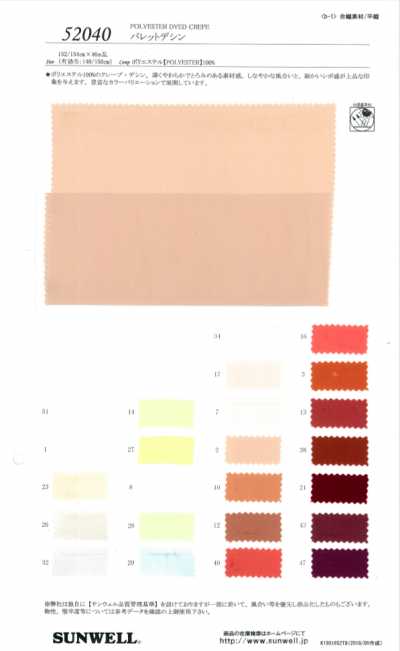
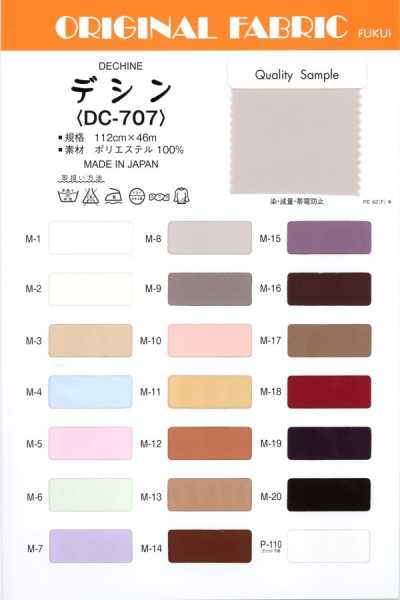
Desin is a woven fabric derived from the French crepe de chine. In general, it is characterized by the delicate pebbled texture created by using highly twisted weft yarns and its graceful drape. Silk is the most typical material, but today it is also made from a variety of fibers such as polyester.
Many versions are based on plain weave, but the appearance varies widely depending on yarn usage, density, and finishing. For this reason, desin is not only a term for a weave structure; it is also used in the market to describe a thin, soft fabric with fine pebbles.
Features
The surface has tiny, sand-like irregularities, giving it a smooth yet slightly dry touch. Compared with fabrics that are flat and highly lustrous, the sheen is more subdued and the color tends to appear deeper. It is a fabric that can give a refined presence even when lightweight.
It drapes softly along the body lines, making it suitable for designs that use gathers and flare. On the other hand, sheerness, resilience, moisture absorption, and wrinkle tendency vary greatly depending on the material, fabric weight, and finishing. It is important not to judge performance by the name alone, but to check the actual fabric.
Main Applications
It is used for items that make use of drape and flowing silhouettes, such as blouses, shirts, dresses, skirts, and gowns. Lightweight versions are used for spring and summer clothing, while medium-weight versions are also used for layering and year-round blouses and dresses.
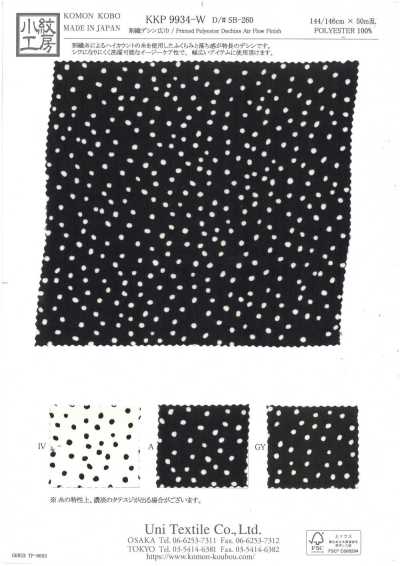
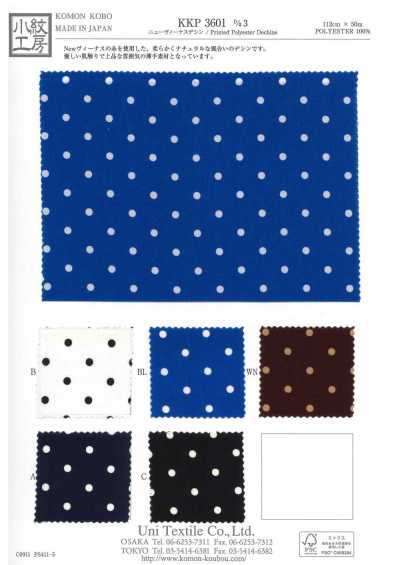
It is also used as a base fabric for prints, and the fine texture can soften the appearance of patterns. For formal wear, check the level of sheen, sheerness, and how the color appears, and combine it with lining or facing as needed.
- Blouses and shirts
- Skirts and dresses
- Dresses and formal wear
- Fashion accessories such as scarves
How to Choose and Handling Notes
When selecting, check the blend ratio, fabric weight, thickness, sheerness, and drape, as well as the size of the texture and the sheen. White, light-colored, and lightweight items are especially likely to show through, so consider the layering fabric and lining as well. In areas where you want to keep the silhouette stable, interfacing or construction adjustments may be necessary.
Shrinkage, color fading, and wrinkling after washing depend on the fiber type and processing conditions. Before mass production, carry out tests based on the care instructions and sewing tests to confirm shrinkage rate and appearance changes. Silk and rayon-based desin in particular may be affected by moisture and friction, so extra care is needed.
When the fabric is thin and slippery, grain can shift during cutting, and seam shrinkage or puckering can occur during sewing. If you straighten the grain before cutting and then test the needle, thread, and feed settings before full sewing, results are more stable.
Differences from Similar Terms
Crepe is a general term for fabrics with a textured surface created by highly twisted yarns and similar methods. Desin is often used to refer to a thin to medium-light woven fabric with relatively fine texture, a supple feel, and subdued sheen.
Georgette is also a woven fabric with a textured surface made with highly twisted yarns, but it often has greater sheerness, a coarser texture, and a drier feel than desin. However, because the feel overlaps depending on the material and specifications, compare swatches rather than relying on the name alone.
Satin is characterized by the smooth, distinct sheen of satin weave, and its structure differs from desin, which is mainly characterized by texture created by yarn twist. Some desin varieties have sheen, but in general the surface is not as smooth as satin.
Frequently Asked Questions
Is desin only a silk fabric?
How should desin and georgette be used differently?
In general, desin is suitable for blouses and dresses that make use of fine texture and smooth drape. Georgette is chosen for situations where greater sheerness, a drier touch, and surface irregularity are desired. However, because the naming has some flexibility in the market, choose based on the actual feel.
What should I watch out for when sewing desin?
Thin, slippery desin is a fabric that tends to shift during cutting and sewing. After aligning the grain, confirm stitch length, thread tension, and presser foot pressure with test stitching. If needed, use basting or interfacing for lightweight fabrics to reduce seam shrinkage and waviness.