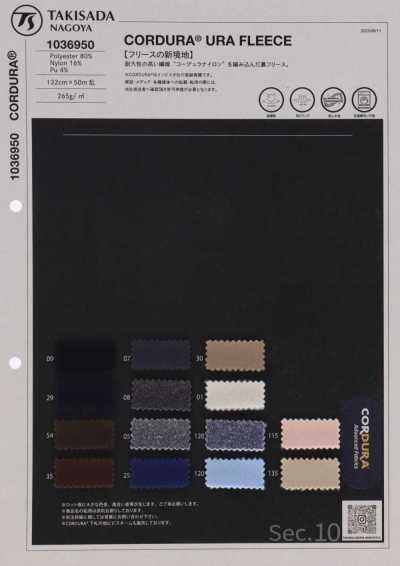
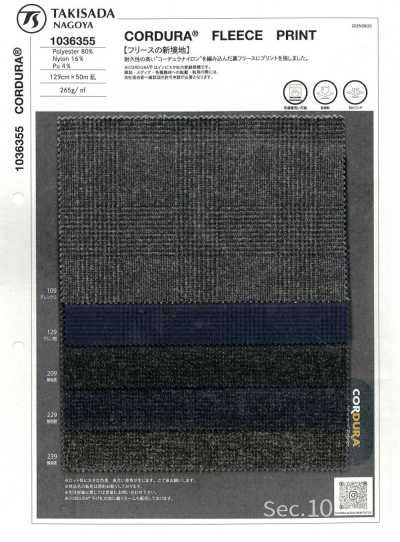
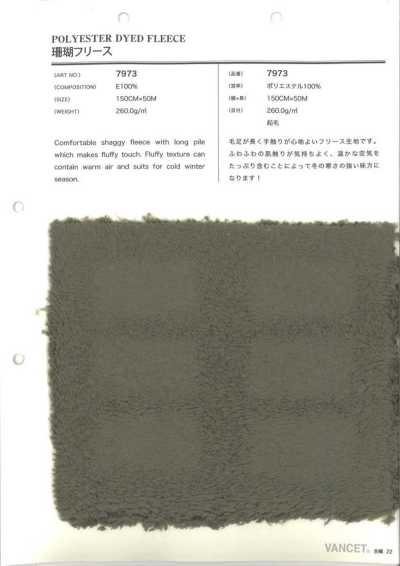
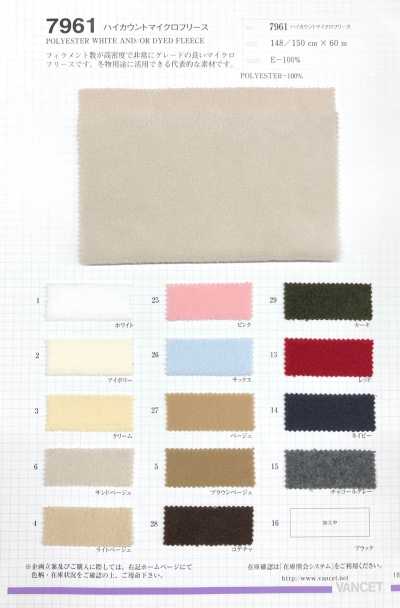
Fleece
Fleece is a fabric, mainly made of polyester, that is brushed on the surface of knit fabric and similar materials to create fine pile, giving it lightness and warmth.
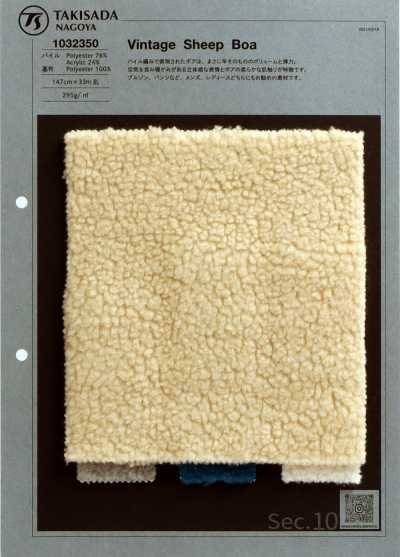
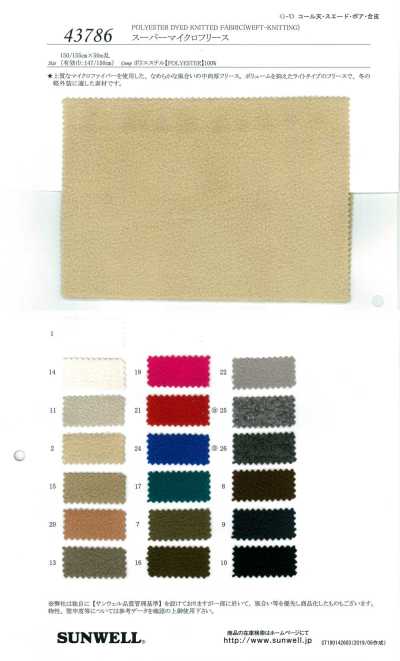
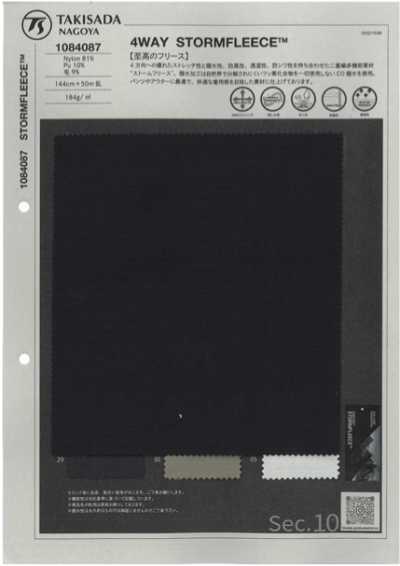
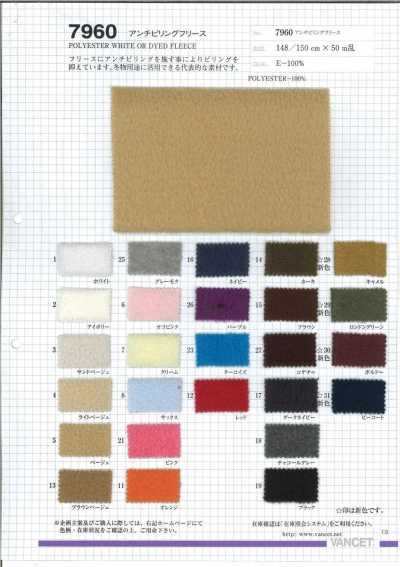
Contents6 sections
Definition and Overview
Fleece is a general term for textiles based on knit fabric, with the surface or both sides brushed to raise dense fine nap. Because it forms a layer of nap that traps air, it is bulky, warm, and relatively lightweight. It is generally made primarily from polyester.
Depending on nap length and density, knit structure, and whether it is one-sided or double-sided brushed, its appearance and performance vary widely, from thin microfleece to thick types with long nap.
Features
Its main features are a soft feel, warmth, and quick drying. Many types also have stretch derived from the knit structure, so they are used for clothing that requires ease of movement. On the other hand, some types are more breathable than woven fabrics, and wind resistance varies depending on fabric density and whether it is laminated or bonded.
The brushed surface can sometimes develop pilling as fibers tangle together. In dry environments, static electricity may also occur easily. Depending on the application, check whether anti-pilling processing or antistatic processing is used.
Main Applications
Taking advantage of its warmth and lightness, it is used for pullover tops, jackets, vests, loungewear, pants, and children's clothing for fall and winter. In sportswear and outdoor wear, it is used as a mid-layer, and thicker types are also used for outerwear.
Outside apparel, it is also used for blankets, hats, neck warmers, and gloves. For applications that come into direct contact with the skin, it is important to check the feel of the nap, the amount of shedding, and the finishing of areas where seam allowance touches the skin.
How to Choose and Handling Precautions
When selecting, check fabric weight, thickness, nap length, brushing density, and stretch. For mid-layers, thin and dense types may be chosen, while bulky types may be chosen for outerwear and cold-weather accessories. Do not judge wind resistance, moisture-wicking quick-dry performance, or stretch just from the name; check test values and specifications.
When cutting, aligning the nap direction for all pieces helps reduce differences in color appearance and sheen. During sewing, adjust the needle, thread, and presser-foot pressure according to thickness, and be careful of seam waviness and the nap getting caught in the stitches. For washing, follow the care label; to reduce fuzzing and pilling, it is common to turn the item inside out, place it in a laundry net, and avoid strong friction.
- Check the nap direction and right side/wrong side before cutting.
- For fabrics that stretch easily, consider stabilizing seam allowance and shoulder seams.
- With dark-and-light color combinations, nap attached by friction may be noticeable.
Differences from Similar Terms
Back brushed often refers to fabric with only the reverse side of a sweatshirt-like knit brushed, and its brushing structure and appearance differ from fleece. French terry is a knit with loops on the reverse side, and is not necessarily brushed.
Pile refers to a structure or fabric with looped or cut nap on the surface. Fleece is mainly made by forming nap through brushing, and the way the nap is created differs from pile.
Frequently Asked Questions
Does fleece have wind resistance?
General fleece has warmth because it traps air between the nap, but it may be breathable to wind. If wind resistance is required, choose a high-density type or a bonded product with a film laminated to it, and check the product specifications.
How can I reduce pilling on fleece?
Because pilling is easily caused by friction, turn the item inside out and put it in a laundry net when washing to reduce friction with other garments. If pilling occurs, carefully remove it with a clothing brush or pill remover so as not to damage the fabric.