Flat Cord
Flat cord is a cord-like trim with a flat, wide cross section, used for apparel drawcords, tie cords, and bag handles.
Contents6 sections
Definition and Overview
Flat cord is a cord finished in a flat, tape-like shape, as opposed to round cord with a round cross-section. In addition to functions such as tying, threading, and tightening, it can also serve as a design accent by making use of its visible width. In apparel, it is a common trim used as a drawcord for waists and hoods.
“Flat tape” is sometimes treated as another name for flat cord. However, flat tape generally may also refer to a broad range of narrow tapes, so it should be distinguished from flat cord, which is mainly used for threading or tying, by checking the intended use and specifications.
Materials and Structure
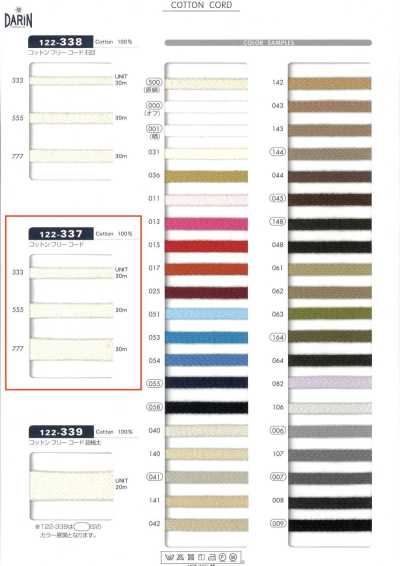
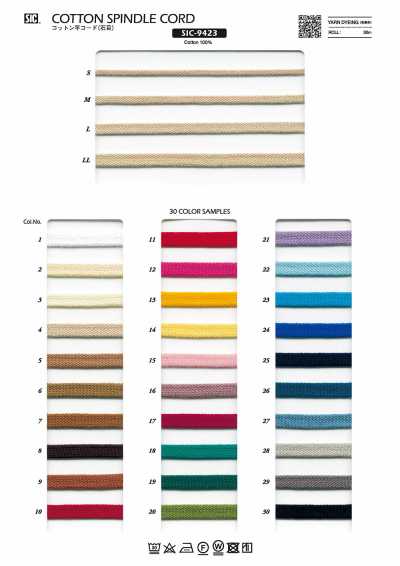
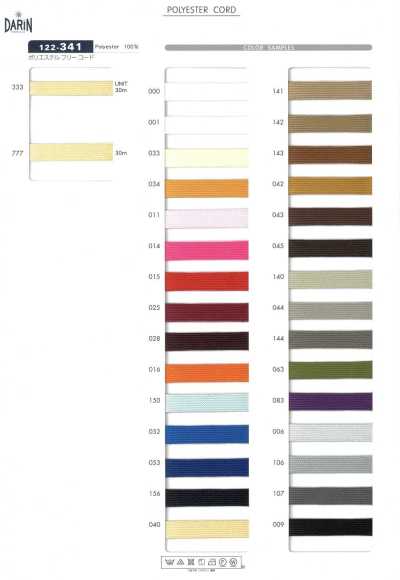
Materials include cotton, polyester, nylon, and others. Cotton gives a natural texture, while synthetic fibers are suitable for uses where relatively light weight and durability are important. Depending on the material, thread thickness, density, and finish, stiffness, slip, gloss, and dimensional change after washing will differ.
Structures include those made as narrow woven fabric, those made as knitted fabric, and those formed by braiding threads into a flat finish. Woven flat cord tends to hold its shape well, while knitted and braided flat cord varies in softness and stretch depending on the structure.
- Woven: shape is easy to stabilize, and it has a relatively firm look.
- Knitted: soft, and depending on the structure, it may feel stretchy.
- Braided: thickness, flexibility, and surface texture can be adjusted by the way the threads are braided.
How to Read Width and Dimensions
Flat cord is generally specified by width in millimeters. Because of its flat shape, it is difficult to judge by diameter alone as with round cord, so in addition to width, it is important to check thickness, stiffness, and cross-sectional shape. Even with the same width, thickness and density change how easily it passes through holes such as eyelets and the size of knots.
Specifications should clearly state the finished width, required length, end treatment, and combination with the holes or cord stopper it passes through. For gather-in applications, the slipperiness when pulled and the required strength should also be checked through prototyping.
Main Applications
In apparel, it is used for hoodie and blouson hoods, waist drawcords on pants and skirts, and waist accents on dresses. Because the flat surface is visible, it is also suitable for decorative uses such as highlighting color combinations or showing prints and woven patterns.
In bags and pouches, it is used as a cord to close openings, as handles, and as a detail that shows knots. Depending on the application, consider the load when pulled, the feel against the hand, and friction with hardware or holes.
Selection and Handling Notes
When selecting, check not only the width, thickness, strength, and texture required for the application, but also stretch and shrinkage. Flat cord that stretches easily may change the tightening position at the waist or hood. If washing or garment washing is performed, confirm in advance the color difference from the main textile, differences in shrinkage, and whether color transfer occurs.
The cut end may fray depending on whether the structure is woven, knitted, or braided. Choose a finishing method suited to the material and specifications, such as folding the end in and sewing it, covering it with a cord end, or heat-treating it. Since heat treatment may cause melting or discoloration depending on the material, preliminary testing is always necessary.
- Confirm that the internal width of the passage opening matches the width and thickness of the flat cord.
- When using a cord stopper, check retention and smooth passage with the actual item.
- For applications that require knots, confirm slipperiness and resistance to coming untied.
- Check shrinkage, color fading, and fraying after washing according to product conditions.
Frequently Asked Questions
How should flat cord and round cord be used differently?
Flat cord is suitable for waist cords, hood cords, and designs that show knots by making use of its broad appearance. Round cord passes through holes more easily and gives a raised, cord-like impression. Choose based on the dimensions of the passage opening, required strength, ease of tying, and the overall design of the product.
How should the width of flat cord be chosen?
First, confirm the width and thickness that can pass smoothly through the internal dimensions of the passage opening, eyelet, cord stopper, and similar parts. Next, consider the load when pulled, the size of the knot, and the presence you want to show. In addition to the specified width, it is important to confirm through prototyping how easy it is to pass through based on thickness and stiffness.
What should be done if the end of flat cord frays?
Methods include sewing the end in, folding it in and finishing it, or attaching a cord end. Heat treatment may be possible for synthetic fibers, but depending on the material and processing, melting, hardening, or discoloration may occur. Before mass production, confirm the finish and durability with the actual flat cord.
- Browse Flat String products
- Products with material "Cotton"
- Products with material "Polyester"
- Products with material "Nylon"
- Products for style "For Outerwear/blousons/coats"
- Products for style "For Pants"
- Products for style "For Skirts And Dresses"
- Products for style "For Bags"
- Products for style "For Sports"
- Products for style "Outdoor"
- Browse Ribbon, Tape, Cord products