Ichimatsu Pattern
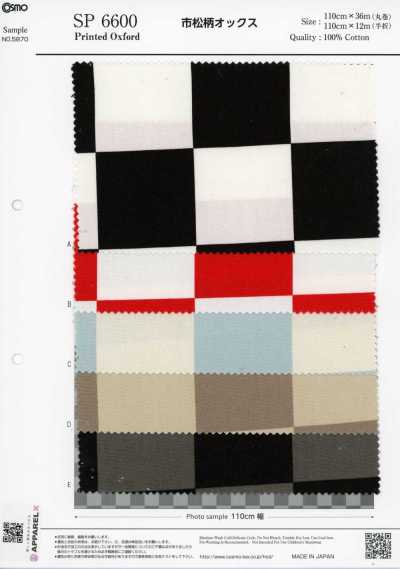
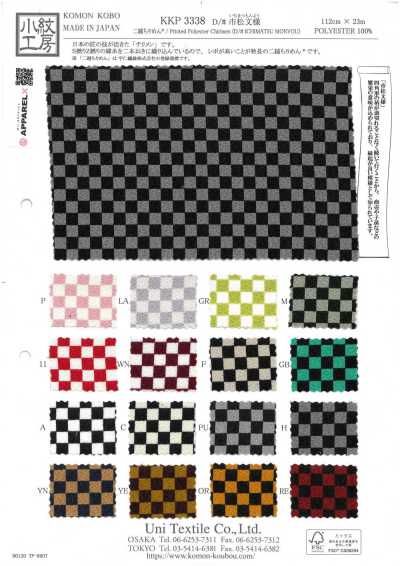
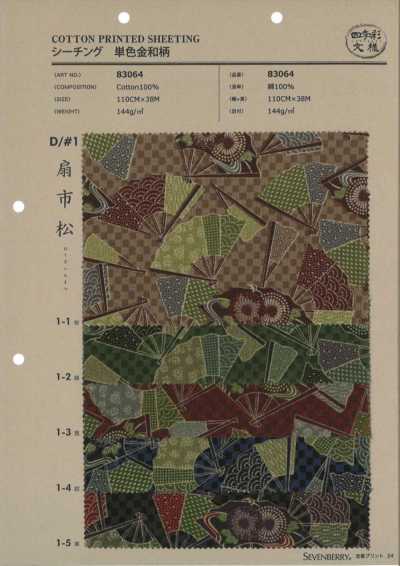
An ichimatsu pattern is a grid-like geometric pattern in which same-sized squares or rectangles are arranged alternately vertically and horizontally in different colors or shades.
![185BR [Outlet] Yamanashi Fujiyoshida 100% Silk Diagonal Checker Pattern Brown](/img/item/thumb/YX/1056511_t2.jpg)
![184E [Outlet] Yamanashi Fujiyoshida 100% Silk Diagonal Checkerboard Pattern Maroon](/img/item/thumb/YX/1056503_t2.jpg)
Contents6 sections
Definition and Overview
Ishimatsu pattern is a design in which squares based on two colors are arranged continuously vertically and horizontally, with the colors of adjacent sections alternating. It is regular and highly visible, and its impression can be changed from classic to modern depending on the color scheme and size of the squares.
The name is generally said to come from the hakama pattern used by Sano-gawa Ichimatsu, a kabuki actor in the Edo period. However, in textile planning and specifications, it is important to specify the number of colors, the size of the squares, and the direction of the pattern to make the intended appearance clear.
How the Pattern Is Formed and Its Types
Ishimatsu pattern can be expressed by printing, woven patterns made with yarn dyed threads, Jacquard and other dobby or figured weaves, or by differences in knit structure and color arrangement. Even within the same Ishimatsu pattern, the surface feel, the outline of the pattern, and the appearance on the back differ depending on the method of expression.
Larger squares tend to create a bold, casual impression, while smaller ones create a delicate, calm impression. There are also examples that use rectangles instead of squares, examples that use similar colors with reduced light-dark contrast, and examples that combine multiple colors, so the scope of the term has some flexibility.
- Printed Ishimatsu: a method that makes it easy to express colors and fine patterns.
- Yarn dyed Ishimatsu: a method that uses separately dyed threads and expresses the grid through weaving.
- Woven-pattern Ishimatsu: a method that expresses a pattern in similar colors through weave structure or differences in thread luster.
Main Applications and Seasonality
It is used for shirts, blouses, skirts, dresses, pants, jackets, as well as bags, hats, and interior accessories. The larger the squares in the pattern, the stronger the design statement, so it is necessary to consider the relationship with the area of the item and the placement of seams or panels.
The Ishimatsu pattern itself is not seasonal. On lightweight cotton, linen, polyester, and similar materials, it can be finished as a light spring-summer expression, while wool-like woven fabrics, brushed materials, and heavy fabrics make it easier to create an autumn-winter feel. Seasonality is determined mainly by the material, color, and fabric weight.
Fabric Selection and Cutting Notes
In Ishimatsu pattern, matching the squares across the left and right front panels, collar, pockets, sleeves, and side seams affects the finished appearance. Especially with large patterns, the positions where the design is interrupted at the seams are noticeable, so it is necessary to decide the reference pattern position on the pattern.
Before cutting, check the direction of the pattern relative to the selvage, the grainline, the up-and-down direction of the pattern, and whether reverse use is possible. If the fabric is distorted on the bias or the print is tilted relative to the grainline, decide whether to prioritize the pattern or the grainline according to the design and sewing specifications.
Because pattern matching is required, more yardage than for a solid may be needed. The required amount varies depending on the pattern repeat, product size, part composition, and where the pattern must match, so calculate it by checking the actual pattern dimensions during marking.
- Specify in the construction whether the pocket should continue the Ishimatsu position of the body or be deliberately offset.
- For designs that should look symmetrical, unify whether the center line is placed on a square or on a boundary line.
- With one-way color arrangements or weave structures, avoid cutting them upside down.
Differences from Similar Terms
Ishimatsu pattern is fundamentally an arrangement of squares of approximately the same size alternating. Block check is sometimes used to refer to a large grid pattern, but it may not require as clearly alternating a color arrangement as Ishimatsu pattern does. For product names and fabric swatches, check the actual pattern composition.
Gingham generally refers to a yarn dyed check expressed by the color combination of warp and weft threads. It can sometimes look similar to Ishimatsu pattern, but it may be characterized by color changes at the intersections or by an arrangement with a sheer effect, and the construction and appearance of the pattern differ.
Frequently Asked Questions
Does fabric with an Ishimatsu pattern require more yardage than a solid fabric?
When pattern matching is done so that the design continues across seams, extra yardage is generally included compared with a solid fabric. The required amount varies depending on the square size, pattern repeat, product size, and whether there are pockets or panels. It is important to measure the pattern dimensions on the fabric swatch and confirm them during marking.
What is the difference between Ishimatsu pattern and gingham?
Ishimatsu pattern refers to a design structure in which squares of different colors or light-dark values are arranged alternately. Gingham generally refers to a check pattern expressed by the combination of yarn dyed warp and weft threads. Because the appearance can be similar, check the weaving method, color arrangement, and the colors at the intersections.