Jacquard
Jacquard is a fabric and weaving method that expresses complex patterns and dimensional designs by selecting and moving warp threads one by one or in small units and weaving them together.
Contents6 sections
Definition and Overview
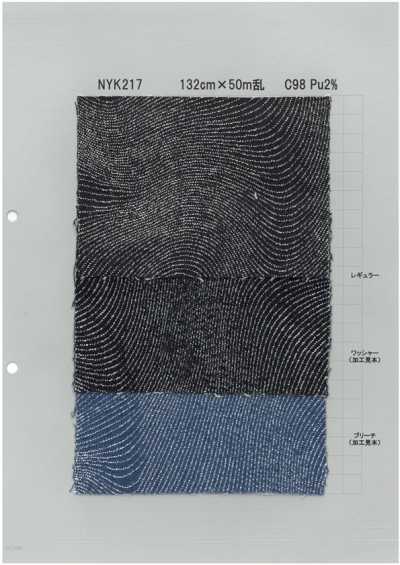
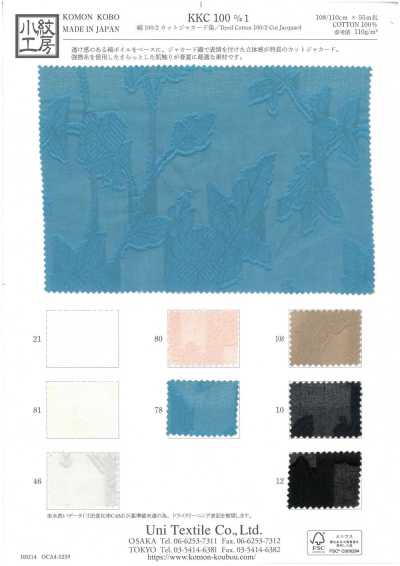
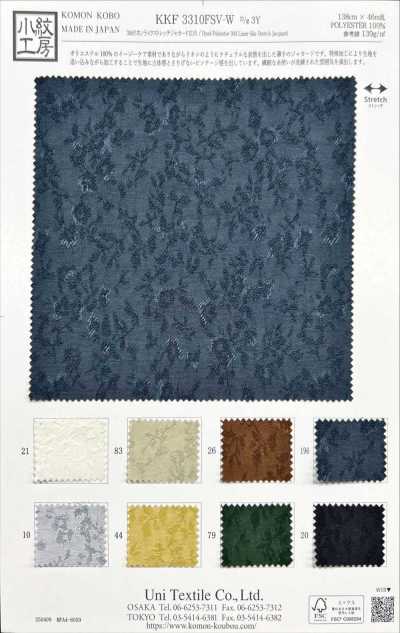
Jacquard is a technique for weaving patterns through the interlacing of yarn. It can express everything from fine motifs such as floral patterns, geometric patterns, and paisleys to large designs. Rather than applying color to the surface like printing, it creates patterns through the weave structure and combinations of colored yarns.
It is made from a variety of fibers, including cotton, polyester, rayon, cupro, silk, and wool. Even within Jacquard, the characteristics vary greatly depending on the yarn used, weave structure, density, and finishing, ranging from lightweight linings to heavyweight apparel textiles and interior use.
Features
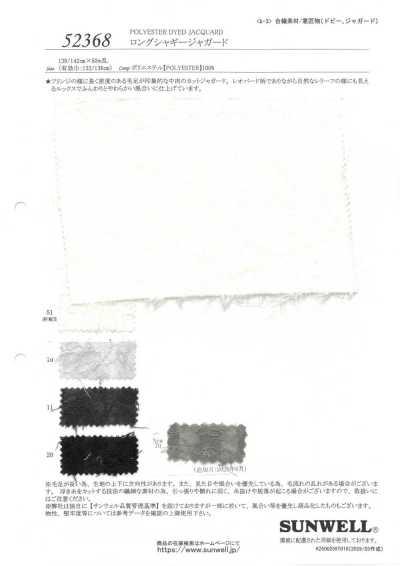
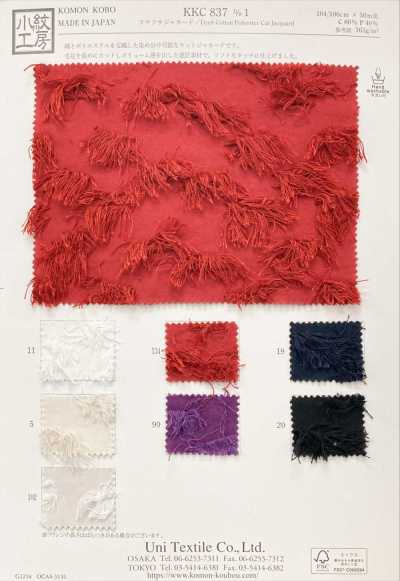
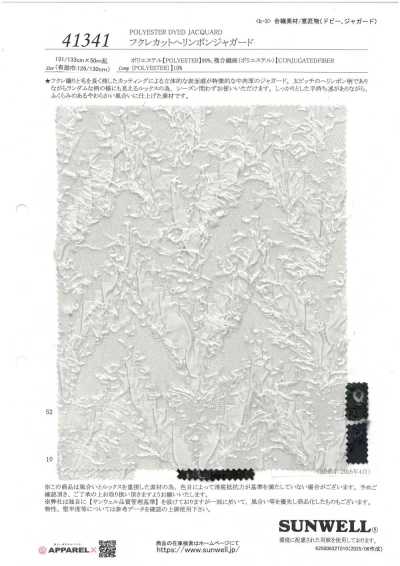
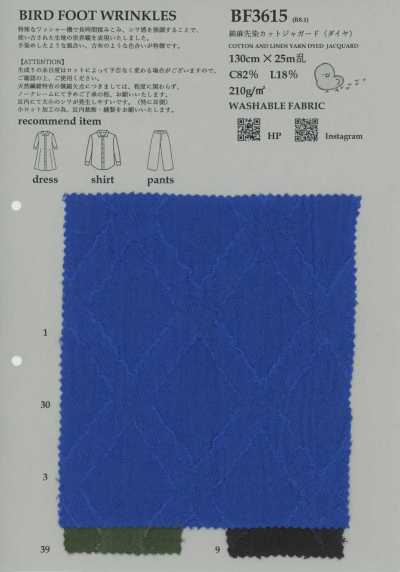
It easily creates shading, sheen, and a raised texture from woven patterns, giving the design depth. Some types have different pattern visibility or color on the front and back, while others show floating yarns on the reverse where the yarns travel across the fabric.
The hand depends on the material and weave structure. Those made with filament yarn tend to be smooth and easy to give off sheen, while those made with spun yarn tend to have more loft and warmth. Depending on the size of the pattern and the weave structure, firmness, thickness, and drape can also change.
Main Applications
Its raised patterns and elegance are used in jackets, skirts, one-piece dresses, dresses, formalwear, and stage costumes. Lightweight, smooth types are also used for jacket and coat linings.
Thicker, stronger types are also suitable for bags, accessories, cushion covers, curtains, and more. When deciding on an application, it is important to check not only the pattern, but also the fabric weight, thickness, stretch, and the condition of the front and back.
How to Choose and Handling Notes
Check the direction of the pattern, the repeat size, and the placement of the pattern relative to the selvedge, and allow extra yardage so that the patterns on the left and right bodices and facings match when cutting. For large patterns, pattern matching may increase the required yardage. Cut along the grain and confirm the appearance of the pattern in advance.
Fabrics with floating yarns may have yarns sticking out due to friction or snagging. During sewing, take care to avoid damage from the needle or presser foot and to prevent seam puckering, and finish the edges properly. Shrinkage, color loss, and press marks from ironing vary depending on the material and finishing, so testing and checking the care label are necessary.
- When pattern matching is required, set the yardage with extra allowance.
- Before cutting, check the front and back, pattern direction, and floating yarn condition across the entire fabric.
- Test the ironing temperature and whether a pressing cloth can be used on an inconspicuous area first.
Differences from Similar Terms
Dobby is a term often used to refer to looms and fabrics that express relatively small, repeating geometric patterns or texture patterns. Jacquard is distinguished by its ability to control the warp yarns more finely and weave complex patterns and large motifs. However, usage and the scope of patterns can vary by industry.
Printing is a process that applies patterns to the surface of the fabric with dyes or pigments, and it differs fundamentally from Jacquard, which creates patterns through the weave structure. Satin often refers to the sheen of a satin weave, while Jacquard refers to the method of weaving patterns. Satin weave can also be combined with Jacquard.
Frequently Asked Questions
Is Jacquard fabric thick?
Because Jacquard refers to a method of weaving patterns, thickness cannot be judged uniformly. It ranges from lightweight types used for linings to substantial types used for outerwear and interiors. Check the fabric weight, composition, weave structure, sheerness, and firmness to choose according to the application.
How do you tell Jacquard and print apart?
Because Jacquard creates patterns through yarn interlacing and weave structure, patterns or floating yarns may also be visible on the reverse side. Printing is a process that adds patterns to the surface, and the back side is often close to solid. However, there are exceptions depending on the finishing and fabric construction, so inspecting the actual material is the most reliable method.
Does Jacquard fabric need pattern matching?
For stripes, large patterns, and directional motifs, pattern matching is often necessary. Check how the pattern continues across the front body, side seams, pockets, and collar. Based on the repeat size and placement of the pattern, consider the yardage and pattern layout before cutting.