Moisture-absorbing Heat Generation
Moisture-absorbing heat generation is a function that uses the heat generated when fibers or textiles absorb moisture from the air or from the skin to help maintain warmth inside clothing.
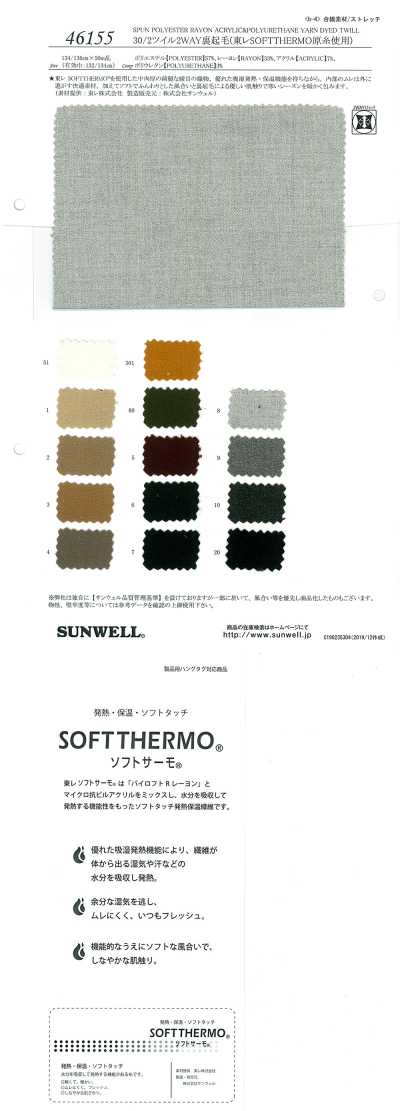
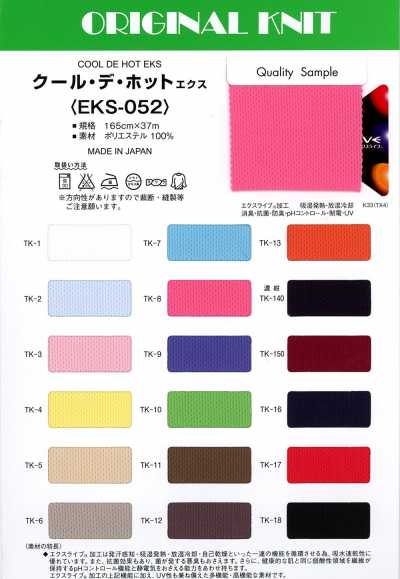
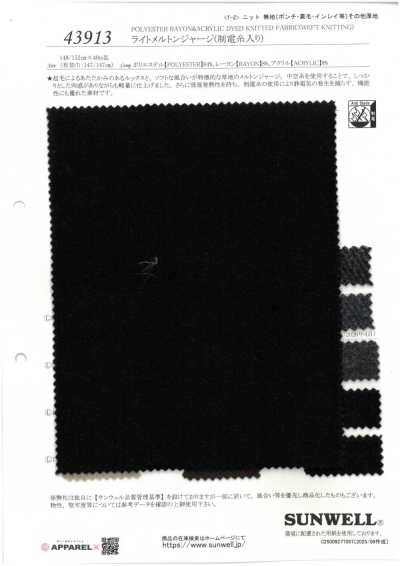
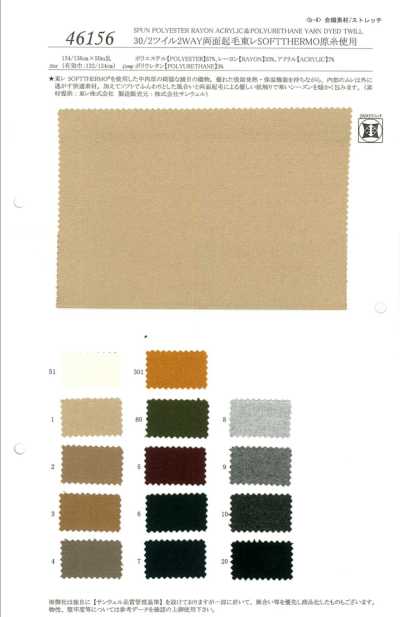
Contents5 sections
Definition and Overview
Moisture-absorbing heat generation is a function that uses the heat of adsorption generated when fibers absorb moisture such as water vapor.
It is not a function that adds heat from an external source; the perceived warmth varies depending on the humidity of the wearing environment and the amount of perspiration.
In some cases, the moisture absorption inherent in the material itself is utilized, and in others, the function is designed by combining different fibers. Moisture-absorbing heat generation is not the name of a textile structure, so it is used in a wide range of knitted and woven fabrics such as jersey, circular rib, and French terry.
Features
In general, when used in layers close to the skin, it more easily absorbs moisture and helps provide warmth. However, the amount of heat generated, durability, and moisture absorption and release properties vary depending on the type of fiber, blend ratio, yarn and fabric structure, and finishing.
It often looks little different from ordinary textile, and can be designed from lightweight to heavyweight. When combined with brushing or back brushing, heat retention from holding air is also added, but this works differently from heat generation through moisture adsorption.
- Moisture-absorbing heat generation differs in purpose and evaluation method from quick-drying moisture absorption that quickly disperses and dries sweat.
- Heat retention refers to the property of storing heat and making it difficult to release, and it is distinguished from moisture-absorbing heat generation, in which heat is produced when moisture is absorbed.
- Checking it together with the warmth provided by thickness and brushing makes it easier to judge warmth during wear.
Main Applications
It is used for items worn close to the skin, such as autumn and winter innerwear, undershirts, leggings, socks, room wear, and pajamas. It is suitable for applications that want warmth even with lightweight materials, or for planning that aims to reduce bulk from layering.
In cut and sew, knit, and French terry, it is chosen in combination with heat retention and stretch properties. In applications with heavy sweating during exercise, not only moisture-absorbing heat generation but also water absorption, dispersion, and quick-drying performance to prevent chill from sweat should be checked.
Selection and Handling Notes
When planning, confirm the composition, fabric weight, thickness, presence or absence of brushing, moisture absorption and release properties, and dimensional change after washing. Even with materials that have high moisture absorption, depending on wearing conditions they may feel damp and slow to dry, so balance quick-drying performance and breathability according to the intended use.
Washing and drying methods depend on the composition and woven or knitted structure. Fabrics containing materials that absorb moisture easily may shrink or lose their shape after washing, so conduct washing tests and confirm shrinkage in advance, and follow the product care label.
In sewing, when using knits or stretchy textiles, take care with grain distortion, seam stretching, and puckering. It is important to match the sewing thread, needle, and differential feed to the textile, and to check sewing samples and the appearance after washing before mass production.
Frequently Asked Questions
Do moisture-absorbing heat generation materials generate heat all the time just by being worn?
They do not generate heat in the same way all the time. Because heat is produced when fibers absorb moisture from the air or from the human body, the perceived effect varies depending on humidity, perspiration, ventilation inside the clothing, and the material composition. Heat retention and layering structure also affect warmth.
Are moisture-absorbing heat generation and back brushing the same?
No, they are not the same. Moisture-absorbing heat generation is a function that uses heat produced when moisture is absorbed, while back brushing is a processing or structure that raises the surface of the textile to create an air layer and improve heat retention and softness against the skin. Some textiles combine both.
What should be checked when selecting moisture-absorbing heat generation textiles?
Do not judge by composition alone; confirm thickness, heat retention, moisture absorption and release properties, breathability, and stretchiness for the intended use. In addition, shrinkage after washing, pilling, and changes in hand feel are also important. For innerwear applications, skin feel and quick-drying performance after sweating should also be evaluated.