Taffeta
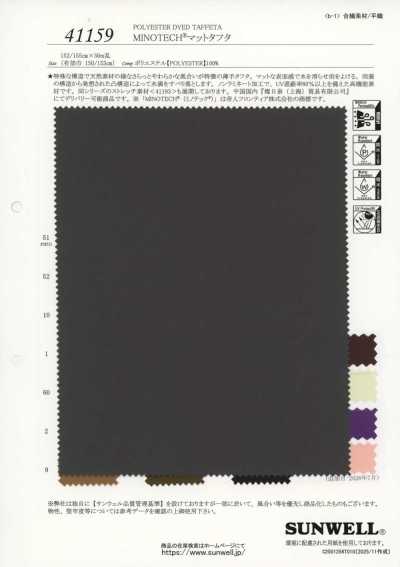
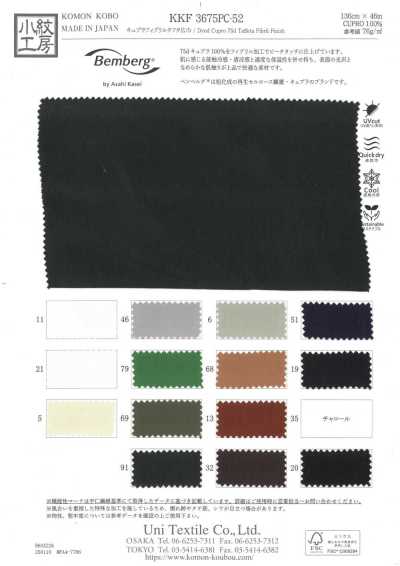
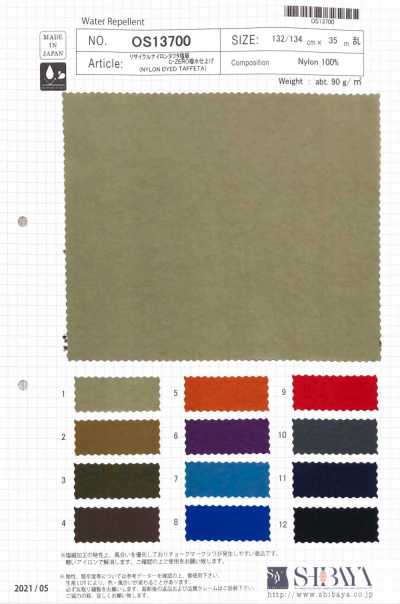
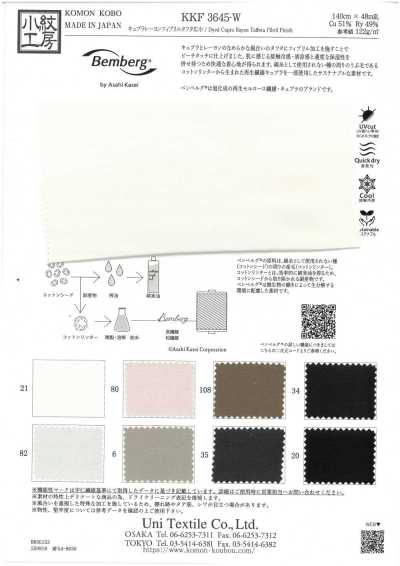
Taffeta is a woven fabric made by plain weaving fine yarns at a high density, characterized by firmness, moderate luster, and a distinctive rustling sound.
Contents6 sections
Definition and Overview
Taffeta is generally a plain weave textile made with fine-count yarns woven at a high density. It has a relatively simple structure in which warp and weft interlace one by one, but the appearance and stiffness vary greatly depending on the type of yarn, density, and finishing.
In the past, silk was typical, but today it is made from a variety of fibers such as polyester, nylon, and cupro. Many taffetas are used not only for outer fabric but also for lining.
Features
The surface is relatively smooth, with a crisp hand and a firm feel that helps it hold its shape. Denser types tend to offer a certain level of wind resistance, while lightweight types are materials that readily create voluminous silhouettes.
Depending on the yarn and processing, it ranges from a subdued sheen to a strong sheen. By changing the colors of the warp and weft, it can also create an iridescent look whose tone changes depending on the viewing angle.
- It has body and easily shows gathers and tucks.
- It tends to produce a rustling sound when rubbed.
- Thin types may make needle holes and seam distortion noticeable.
Main Applications
It is used for garments that make use of body and sheen, such as dresses, skirts, one-piece dresses, and blouses. It is also used as outer fabric for padded outerwear, blousons, and coats that take advantage of its lightness.
Taffeta for lining is used to improve the sliding of clothing and make it easier to put on and take off, and to reduce friction between the outer fabric and underwear. It is seen in linings for formalwear, jackets, skirts, and similar items.
How to Choose and Handling Notes
Depending on the applications, check the fiber composition, thickness, fabric weight, density, sheen, and body. For outerwear, choose comprehensively based on durability and wind resistance; for lining, on smoothness and resistance to static cling; and for dresses, on color development and silhouette retention.
In sewing, it is important to choose a thin needle and a fine-count sewing thread suitable for the textile, and to suppress seam puckering and needle holes. Since seam allowances and edges may fray easily, consider edge finishing appropriate to the construction, such as overlock stitching or French seams.
Washing and ironing suitability vary depending on the fiber composition and processing. Especially for synthetic fiber products that are prone to deformation and changes in sheen from heat, check the care label and take precautions such as using a pressing cloth at low temperature.
Differences from Similar Terms
Plain weave refers to the weave structure itself in which warp and weft interlace one by one. Taffeta is used as a textile name based on plain weave, but with the texture created by fine yarns and high density, such as body and sheen.
Satin is a textile with continuous long floats created by satin weave, expressing a smooth surface and strong sheen. Taffeta has more body than satin, the weave structure is relatively easy to see, and it tends to have a crisper look.
Organza is also a thin material with body, but it is generally a highly sheer textile. Taffeta is denser than organza and is often less sheer.
Frequently Asked Questions
Is taffeta only used for lining?
No. Taffeta is often used for lining, but it is also used as outer fabric for dresses, skirts, blouses, outerwear, and more. As outer fabric, it can make use of the three-dimensional silhouette created by its body, as well as its sheen and lightness.
Can taffeta be washed at home?
How can puckering be prevented when sewing taffeta?
Use a thin needle and sewing thread suitable for the textile, and test the thread tension and stitch length in advance. Sewing while feeding the fabric without pulling it strongly, and checking presser foot marks and needle holes, makes it easier to reduce puckering and surface damage.