Mixed Knitting
“Kohen” refers to a knitting method, or the resulting knitted fabric, in which multiple yarns with different types, properties, and colors are combined within the fabric to make use of the characteristics and appearance of each yarn.
Contents6 sections
Definition and Overview
Interknitting is a method of combining yarns with different materials, thicknesses, colors, luster, shapes, and so on into a single knitted fabric. In interknitted fabrics, different yarns may appear on the front and back depending on the arrangement of the yarns used and the knitting structure.
Interknitting is a term for how yarns are combined in a knitted fabric, and it is not the name of a specific knitting structure such as jersey or circular rib. Even with the same interknitting, the characteristics can change greatly depending on the type of yarn, blend ratio, knitting density, and knitting method.
Characteristics
By combining natural fibers and synthetic fibers, spun yarns and filament yarns, and so on, the knitted fabric can incorporate the water absorbency, quick-drying properties, strength, lightness, luster, warmth retention, and other qualities of each yarn. However, actual performance is judged together with the yarn composition and knitting structure.
In designs that bring out different yarns on the front and back, the surface feel and the feel against the skin can be changed. Another feature is that it can create an appearance that makes use of differences in yarn color and type, such as heathered effects, color contrast, texture, and differences in sheerness.
Main Applications
It is used for cut-and-sew items, T-shirts, sweatshirts, knit tops, innerwear, and more, where both texture and function are desired. By adjusting the thickness, warmth retention, and stretch of the knitted fabric, it is applied to a wide range of apparel throughout the seasons.
For applications that emphasize the feel against the skin, it is important which yarn appears on the front or back. When using color contrast or differences in luster as a design feature, check how the yarn appears on the surface, and also confirm whether the appearance changes at garment transitions or seams.
Selection and Handling Notes
When selecting, check not only the blend ratio but also the arrangement of each yarn within the knitted fabric, the front and back composition, fabric weight, thickness, and stretch. Because dyeability and shrinkage tendencies differ by material, it is important to evaluate color differences, dimensional changes, and texture using the actual textile.
For washing, set the care label and conditions according to the material that requires the most caution among the fibers used. If shrinkage due to washing, heat, or drying differs between materials, it can lead to twisting, waviness, and surface changes in the knitted fabric.
For sewing, choose the stitch method and thread that can accommodate the stretch characteristic of knits. Since interknitted fabrics with different yarn properties or colors on the front and back may show back yarns from seam allowances or edges, check the cut edges, seams, and appearance when stretched in advance.
Differences from Similar Terms
Blending is the process of mixing different fibers and spinning them into a single yarn. Interknitting, by contrast, combines separate yarns at the knitting stage, making it easier to bring out the characteristics of each yarn on the front and back, in patterns, or within the structure.
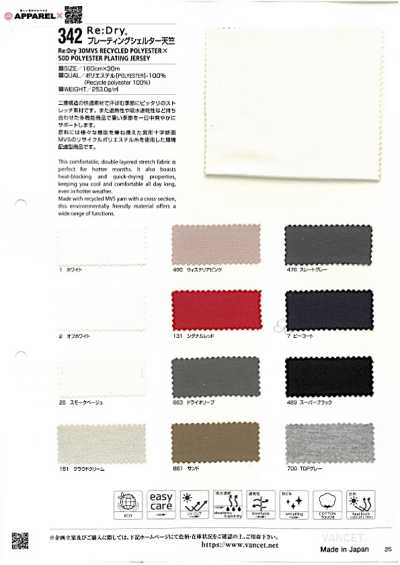
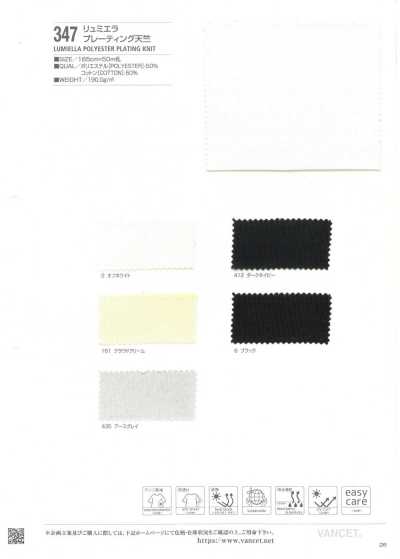
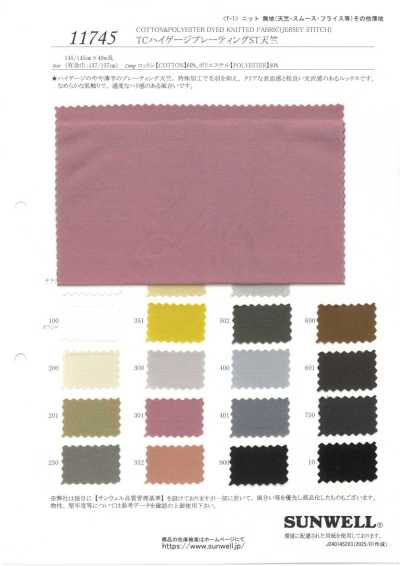
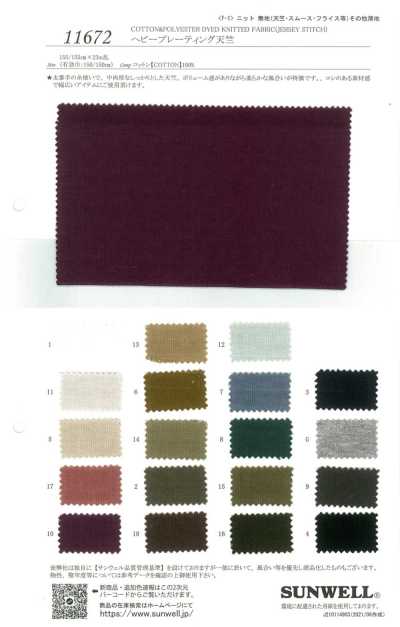
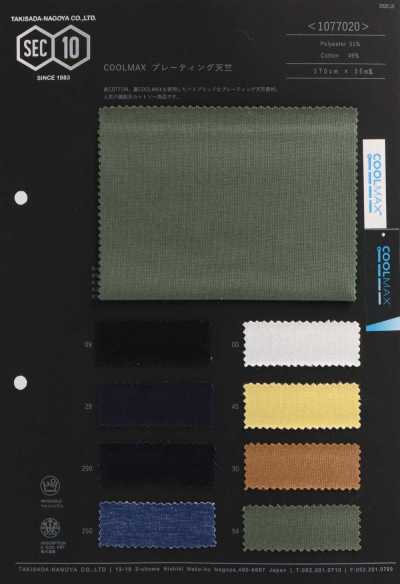
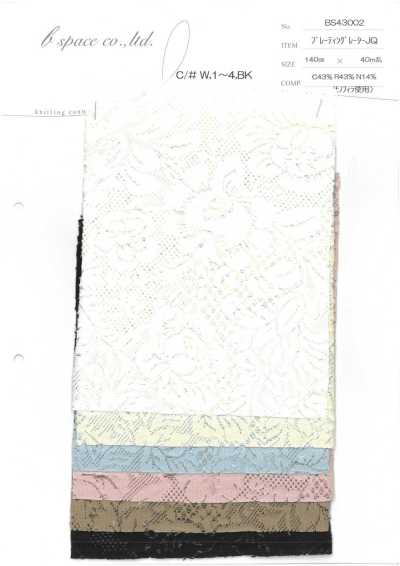
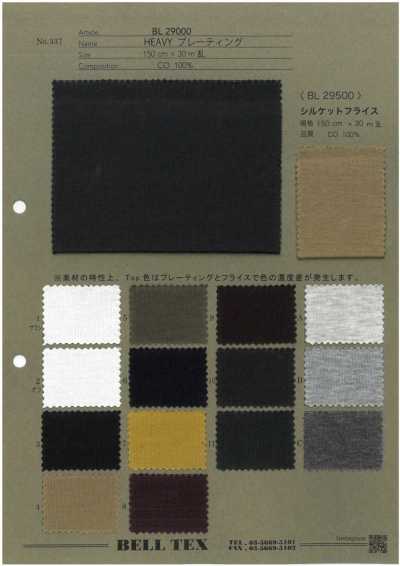
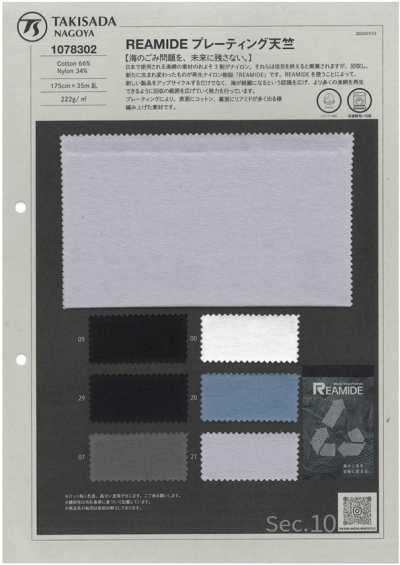
Union fabric refers to woven fabric made by using different kinds of yarn for the warp and weft, for example. Interknitting is a term related to knitted fabrics. Plating is also one of the representative techniques for knitting multiple yarns separately on the front and back, and is sometimes treated as a specific form of interknitting.
Frequently Asked Questions
Are interknitting and blending the same?
No. Blending is a method of mixing multiple fibers at the raw material stage and spinning them into a single yarn. Interknitting is a method of combining different yarns during knitting, and it differs in that it makes it easier to bring out each yarn's texture, color, and function on the front and back or within patterns.
Do interknitted fabrics shrink easily when washed?
It cannot be judged uniformly. The shrinkage rate of interknitted fabrics varies depending on the fibers used, yarn shape, knitting density, and finishing process. In particular, differences in shrinkage between materials can lead to appearance changes, so it is important to conduct washing tests before mass production and handle the fabric in accordance with the care label instructions.