Butcher Cloth
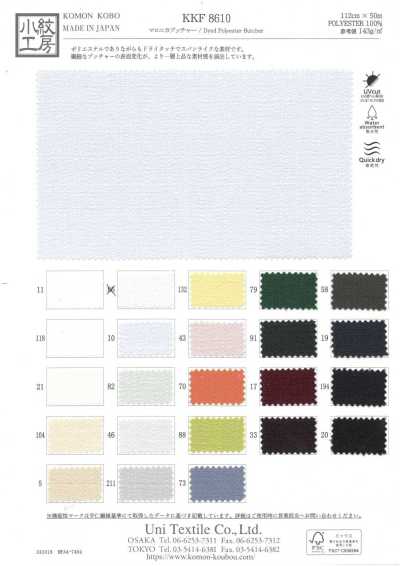
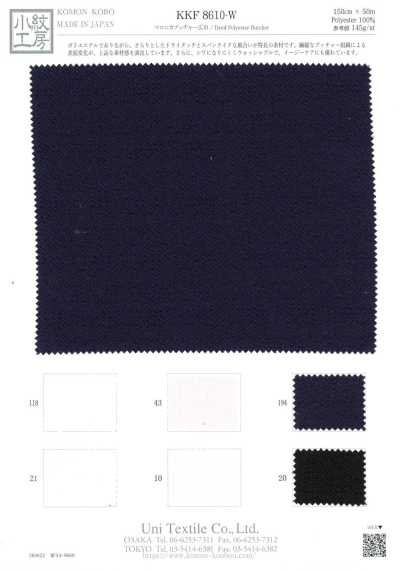
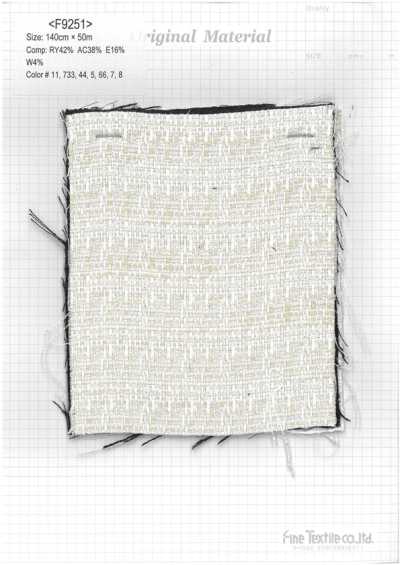
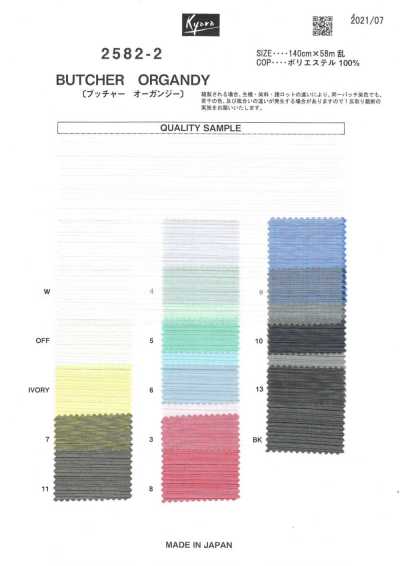
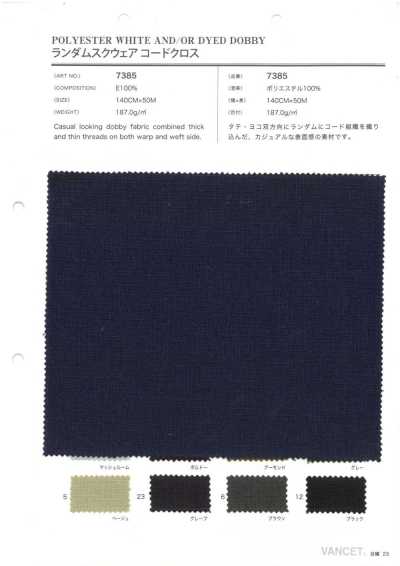
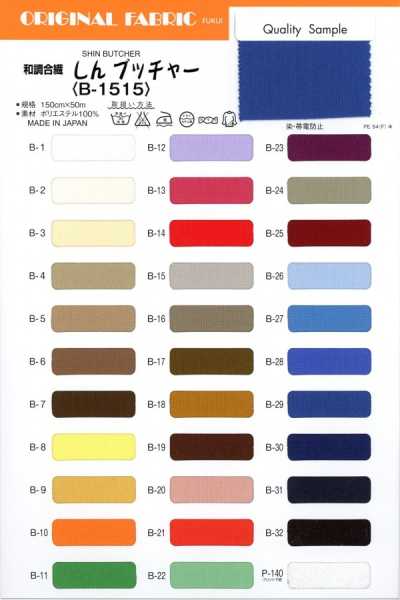
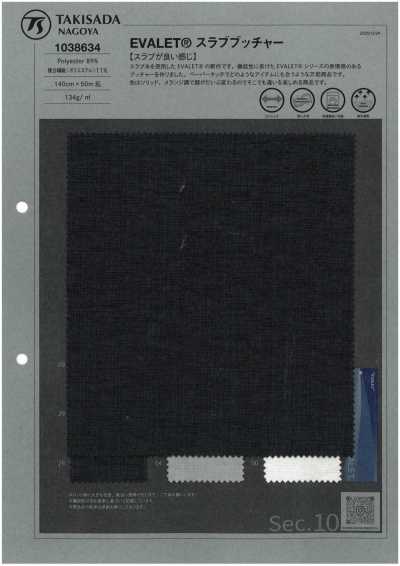
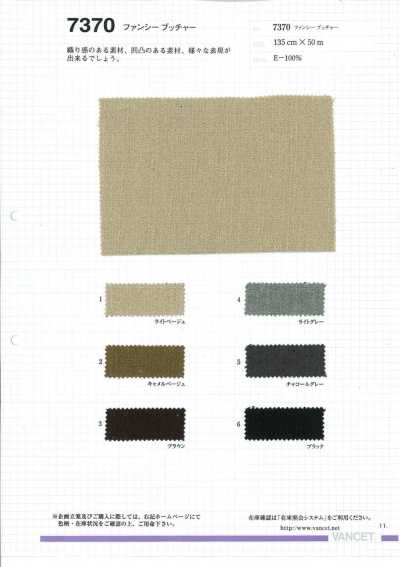
Butcher cloth is a woven fabric characterized by a rough, textured surface with visible slubs and irregularities, woven using threads that vary in thickness and shape.
Contents6 sections
Definition and Overview
Butcher cloth is a textile that is generally woven with a plain weave base, using yarns with varying thicknesses or fancy yarns to create irregular slubs and an uneven woven surface. It is used not as a fiber name or a single weave name, but mainly as a fabric name that describes appearance and texture.
The fibers used vary, including cotton, linen, polyester, and rayon, and thickness, performance, and feel differ greatly depending on composition, yarn thickness, density, and finishing. For that reason, it is important not to judge the material or function from the name butcher cloth alone.
Characteristics
The surface shows fine slubs, a granular feel, and horizontal or irregular unevenness, giving it a rustic and natural impression. Compared with uniform, smooth textiles, it more easily conveys a sense of material, and even in solid versions it is easy to create visual interest.
Those made mainly with linen or cotton tend to have a crisp touch and a cool feel, making them suitable for spring and summer planning. On the other hand, those made with synthetic fibers differ in wrinkle behavior, quick-drying performance, and ease of handling, so the actual fabric should be checked for texture and performance.
Main Applications
It is used for blouses, shirts, dresses, skirts, pants, and jackets. Depending on thickness and body, it can be used for light apparel through coordinated sets, and it is also suitable for refined casual looks and resort-style designs that take advantage of its surface character.
Thin versions that are likely to be sheer should be considered for lining or petticoats. Thick versions with body are well suited to tucks, gathers, and structured silhouettes, but areas where seam allowances overlap can become bulky, so compatibility with the construction should be checked.
- Spring and summer shirts and blouses
- Dresses and skirts
- Pants and coordinated sets
- Light jackets
How to Choose and Handling Notes
When selecting, check not only the composition but also fabric weight, thickness, sheerness, body, drape, and the size of the uneven texture. Even among butcher cloths, some emphasize a linen-like look, some have a soft drape, and others are suited to a structured silhouette.
When natural fibers are included, washing or pre-wetting may cause shrinkage, wrinkles, or changes in appearance. Before mass production, carry out washing tests and check shrinkage rates, and consider straightening the grain and, if necessary, boiling treatment. For product care, always follow the washing instructions for each textile.
On uneven surfaces, pressing too strongly with an iron may flatten the texture or create glossy fading. Use a pressing cloth and test the temperature and pressure in an inconspicuous area. In sewing, choose needles and thread that suit the fabric thickness, and check the seams at stepped areas.
Differences from Similar Terms
Linen is the name of a fiber, while butcher cloth is a name that mainly refers to the finished visual texture. There are butcher cloths made with linen, but there are also butcher cloths made with polyester and other materials to create a linen-like appearance.
Shantung also features a slubby surface, but the slubs tend to appear horizontally, and some types have a sheen. Butcher cloth often has rougher unevenness and a drier material feel, though the scope of the term varies by maker and region.
Frequently Asked Questions
Is butcher cloth suitable for summer?
Butcher cloth made with linen or cotton and finished with a dry touch is often used for spring and summer apparel. However, seasonality depends on composition, fabric weight, density, and finishing. Since there are also thick versions and versions made mainly from synthetic fibers, do not judge it as summer-only from the name alone; check the actual thickness and breathability.
Are butcher cloth and linen the same?
No. Linen is the name of a fiber made from flax, while butcher cloth is a term for a textile with an uneven, slubby surface. There are butcher cloths made of linen, but there are also butcher cloths made with cotton, polyester, rayon, and other materials.
What should be noted when sewing butcher cloth?
The uneven texture may make seams look irregular, and in thick fabrics the overlapping seam allowances can become bulky. Before cutting, straighten the grain, and check the needle, thread, and upper thread tension with a test stitch. When pressing, use a pressing cloth and handle it so as not to crush the surface texture.