Gold And Silver Yarn
Gold and silver yarn is a general term for decorative yarn used in woven fabrics, knits, embroidery, braids, and similar applications to create a metallic sheen in gold or silver.
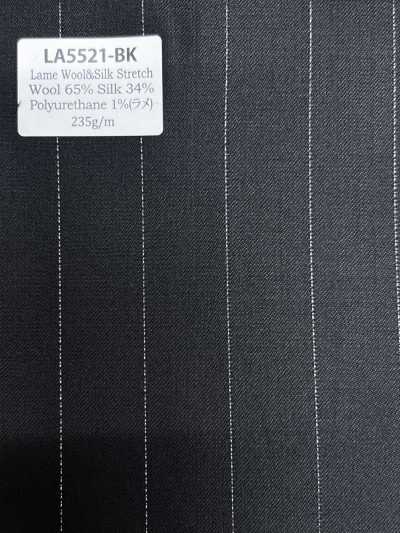
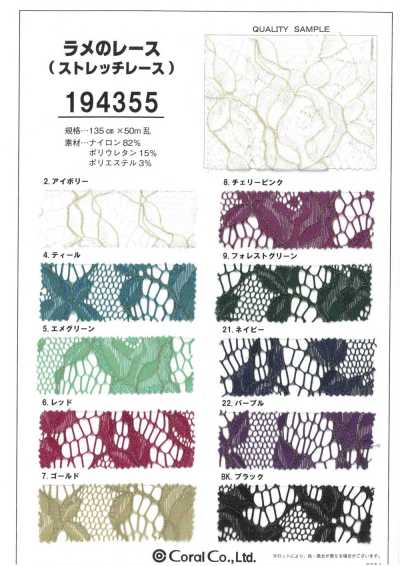
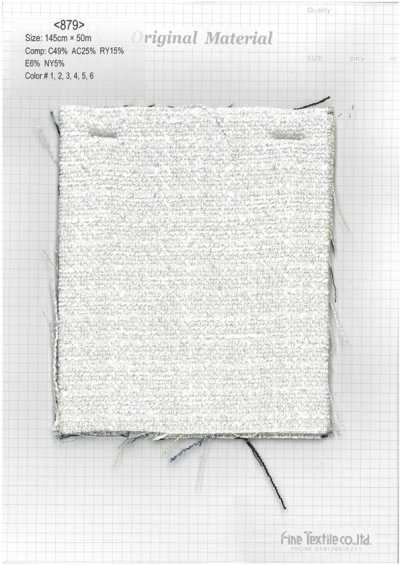
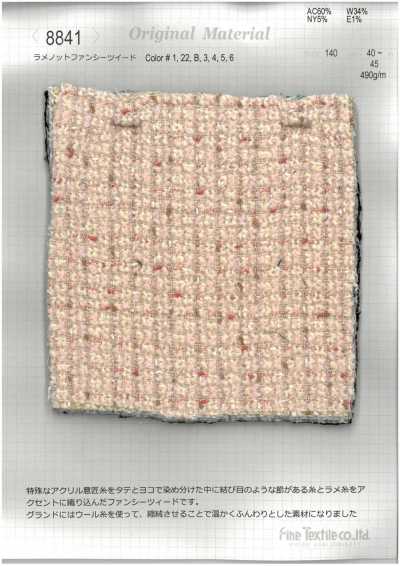
Contents6 sections
Definition and Overview
Gold and silver yarn is decorative yarn with a luster that evokes gold or silver. It may be made from thin strips of metal foil or metallized film, or from materials wrapped around a core yarn, and is used by weaving in, knitting in, or embroidering with it.
Today, gold and silver yarn can refer broadly to yarns with a gold or silver appearance, or specifically to traditional yarns made using actual gold or silver. Since the term real gold and silver yarn is also used in a broad sense, the material composition and manufacturing method should be confirmed in the individual specification.
Features and Appearance
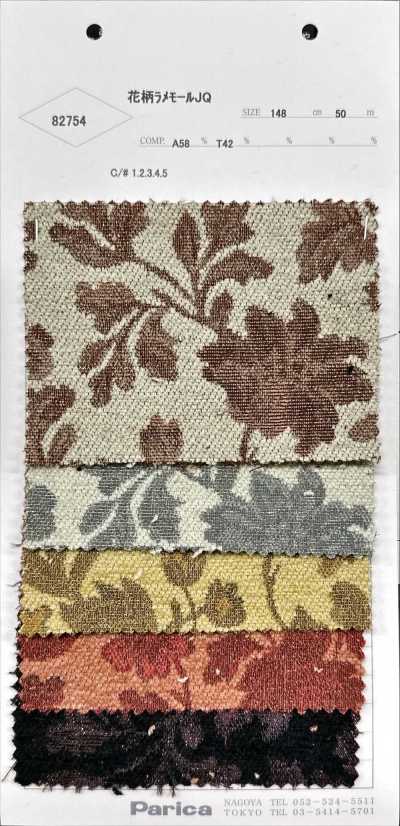
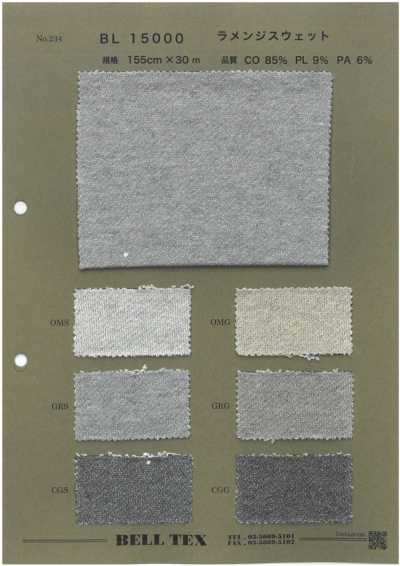
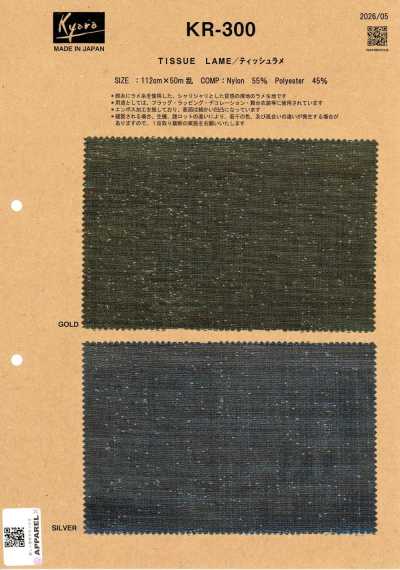
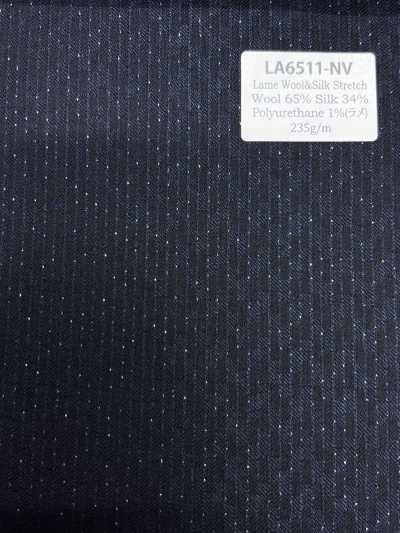
Its greatest feature is the bright luster created by reflecting light. When combined with colored yarns in weaving, it adds depth and dimension to the pattern. On the other hand, it tends to feel stiffer than ordinary spun yarn, and creases may become noticeable if it is bent sharply.
Its texture, durability, and elasticity vary depending on the composition of the film, metal foil, and core yarn. The finish also changes depending on the strength of the sheen, the thickness of the yarn, and whether it has a flat or rounded shape, ranging from a delicate sparkle to a more striking appearance.
Main Applications
It is used in woven goods for traditional Japanese clothing, obi fabric, brocade, and patterned weave fabrics, as well as formalwear, dresses, stage costumes, and costumes. In Jacquard weaving and embroidery, it is used in parts to emphasize the outline or key points of a design.
Outside of clothing, it is also used in apparel materials such as piping, braid, cord, and ribbon. It is often chosen for ceremonial wear and seasonal projects with a glamorous look, but depending on the material and color scheme, it can be used year-round.
- Using it as warp yarn or weft yarn in fabric to express patterns
- Using it as embroidery yarn to decorate motifs and letters
- Using it as piping or braid to decorate seams and edges
- Using it for decoration on bags, accessories, and interior items
Selection and Handling Precautions
When selecting it, check not only the color tone but also the yarn structure, thickness, flexibility, and compatibility with the fabric to be used. The required performance differs for weaving, embroidery, and cord making. In prototyping, it is reassuring to check seam splitting, snagging, and changes in sheen caused by friction.
Suitability for washing or dry cleaning depends not only on the gold and silver yarn itself, but also on the materials of the base fabric and core yarn. To avoid wrinkling or waviness caused by differences in shrinkage, pretesting is important when the product will be washed. Follow the care label and any attached handling instructions.
During sewing, watch for damage from the needle or presser foot, misalignment in stitching, and thread breakage. For piping and similar uses with gold and silver yarn, cutting too far into the seam allowance can reduce strength and cause fraying, so careful handling is required during cutting and sewing.
Differences from Similar Terms
Lame yarn is a general term for decorative yarn with sparkle, and includes colors other than gold and silver. Gold and silver yarn specifically refers to yarn with a gold or silver appearance. In some products or workplaces, the two terms are used with overlapping meanings.
Flat foil and twisted foil are terms that describe shapes or manufacturing methods related to gold and silver yarn. Flat foil refers to flat, strip-like foil, while twisted foil refers to foil that has been made into a yarn-like form by wrapping it around yarn. Brocade is the name of a fabric woven with gold yarn and similar materials, not the name of the yarn itself.
Frequently Asked Questions
Can gold and silver yarn be washed at home?
Whether it can be washed depends on the composition of the gold and silver yarn, the base fabric, the dyeing, and the decoration method. Because friction, creasing, heat, and moisture may change the luster and shape, it is not possible to judge home washing suitability uniformly. Check the care label and the results of pretesting.
What are the precautions when sewing with gold and silver yarn?
Because of its stiffness and surface shape, needle damage, snagging, misalignment in stitching, and thread breakage may occur. Before sewing, test the needle, thread, thread tension, and presser foot pressure on scrap material, and confirm the conditions under which stable, low-speed sewing is possible. When piping is used, take care not to cut into the seam allowance.
What is the difference between gold and silver yarn and lame yarn?
Gold and silver yarn is the name for yarn that expresses a metallic gold or silver luster. Lame yarn is a broader term for sparkly yarn and includes colors other than gold and silver. However, in sales and production settings, gold- and silver-colored lame yarn may also be called gold and silver yarn, so the composition cannot be determined from the name alone.