Moire
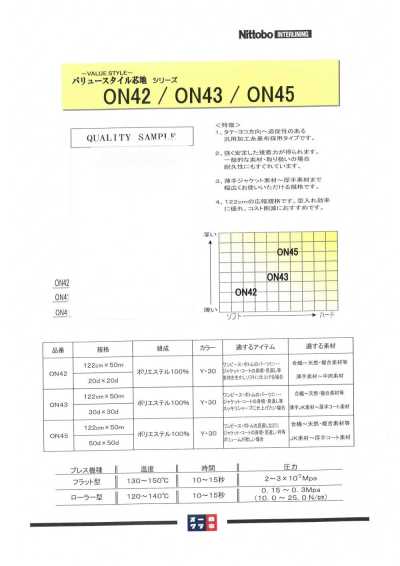
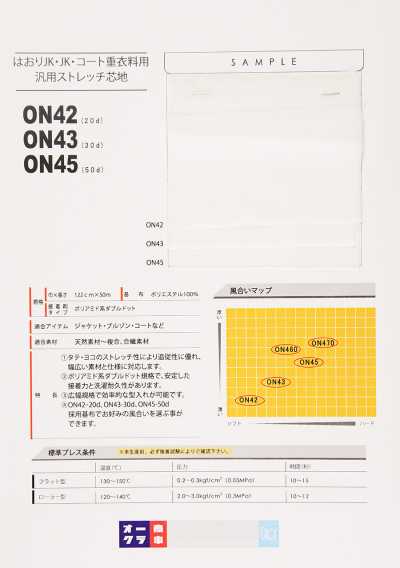
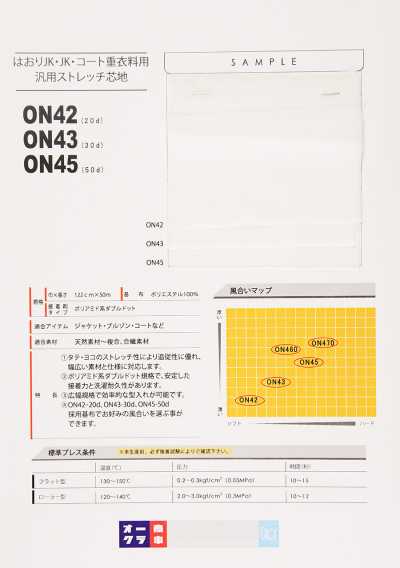
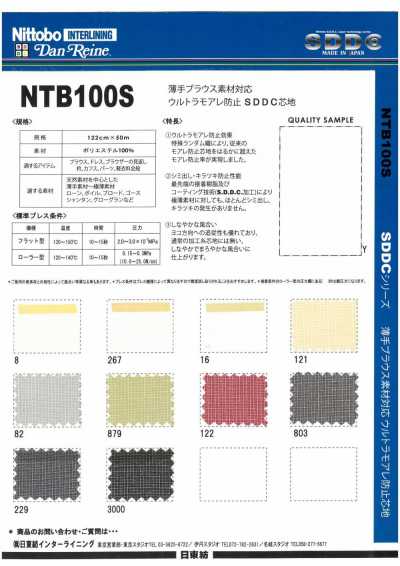
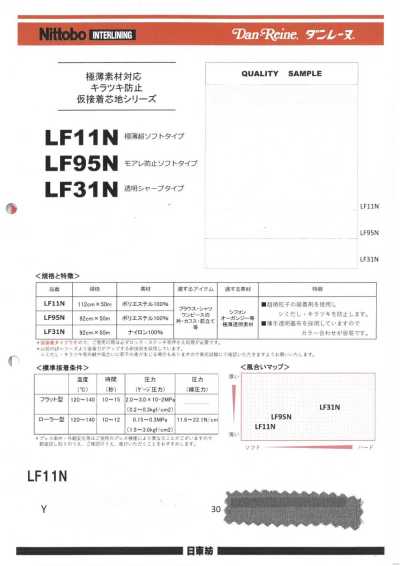
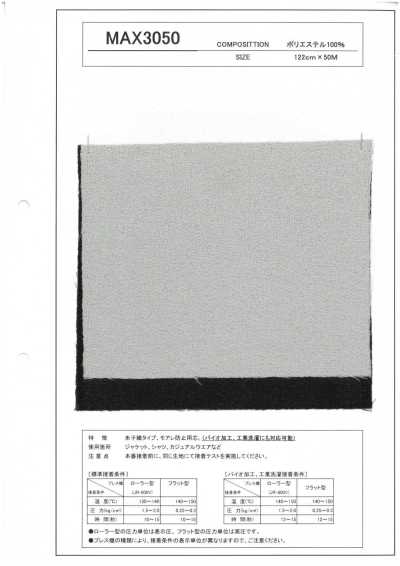
Moire is a term that can refer to a moiré effect in which regular weaves or the arrangement of fusible interlining and adhesive resin overlap and interfere, creating a striped or wavy appearance, or to the interlining used to suppress that effect.
Contents6 sections
Definition and Overview
Moire is a visual interference in which fine grid-like or repeating patterns and dots overlap, appearing to the eye as stripes, ripples, or uneven light and dark shading. In apparel, it can occur when the weave structure of fusible interlining or the dotted pattern of adhesive resin affects the face fabric from beneath.
In the interlining field, “moire” may refer not only to the phenomenon itself but also to fusible interlining for preventing moire. Since the term can indicate both the effect and the interlining, they are distinguished in specifications.
Areas Used and Role
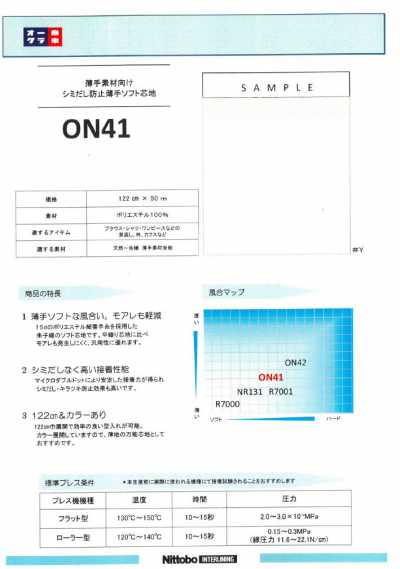
Fusible interlining for preventing moire is considered for thin or smooth face fabrics such as the front opening, facing, collar, and cuffs, where the interlining may show through or affect the surface appearance. Its role is to provide the necessary shape retention for each area while keeping the surface appearance neat.
In jackets, shirts, blouses, and similar garments, the required stiffness and degree of stretch prevention differ by area even with the same face fabric. Interlining should be selected not only for moire prevention, but also in line with the silhouette, roll, and sewing specifications required for each section.
Materials and Types
Whether moire is likely to appear is not determined by fiber material alone, but by the combination of the face fabric and interlining structure, density, color, sheen, thickness, and the shape of the adhesive resin. For this reason, moire-preventing interlining includes products with modified base fabrics or structures, as well as products with adjusted resin placement.
In general, base fabrics with random structures that suppress regularity, weave structures designed to reduce visibility such as satin weave, and resin designs that bond at single points are used to reduce moire. However, effectiveness must be confirmed in combination with the face fabric.
- Woven interlining: interlining made with a woven base fabric; differences in structure and density affect appearance.
- Nonwoven interlining: some types have little regularity in fiber arrangement, so compatibility with the face fabric must be checked.
- Fusible interlining: interlining applied with heat and pressure; the shape and placement of the resin are also selection factors.
Selection and Precautions for Fusing and Sewing
The face fabric and interlining must always be fused in practice, and the front side should be observed from multiple directions. This is especially important before cutting, because moire is more visible under lighting conditions or viewing angles on light-colored, thin, glossy, or finely patterned fabrics.
Select interlining that is not too stiff for the thickness and drape of the face fabric. Interlining that is too stiff can damage the hand feel and cause outlines or ridges to show through. If the face fabric has stretch, also check the stretch direction and recovery.
When fusing, follow the temperature, time, pressure, and cooling conditions specified for each interlining. Insufficient conditions can cause delamination, while excessive heat or pressure can lead to glossing, shrinkage, or resin bleed-through on the face fabric. Check the front appearance again after sewing.
Differences from Similar Terms
Moire is an appearance problem caused by overlapping regular patterns. Bubbling, on the other hand, is a fusing defect in which the face fabric or interlining partially lifts after bonding and looks blistered; the cause and appearance are different.
Kiratsuki refers to a state in which interlining resin, structure, or similar factors become noticeable through the face fabric as dots or shine. It can occur together with moire, but moire is characterized by striped or wavy interference patterns.
Frequently Asked Questions
Does using moire-preventing interlining stop moire in all face fabrics?
Preventive interlining is one option for reducing occurrence, but it cannot always eliminate it completely. Since the structure, color, sheerness, sheen, stiffness of the interlining, and fusing conditions all affect the result, test fusing should be done under the same conditions as mass production, and the appearance should be checked from the front side.
How can moire and bubbling be distinguished?
Moire is a striped or wavy appearance caused by overlapping regular structures or dots. Bubbling is a state in which the face fabric and interlining lift locally due to insufficient bonding or incompatibility, appearing like blisters or wrinkles. Before taking action, identify which condition is occurring.