Satin Weave
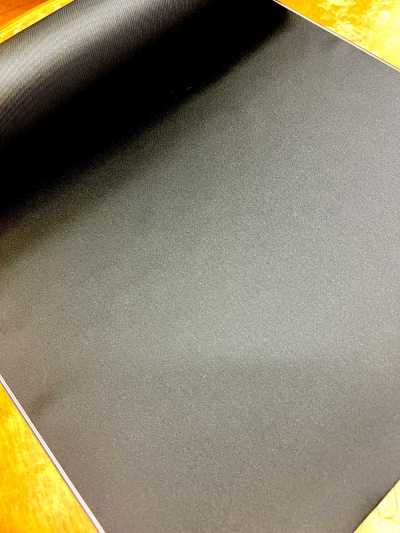
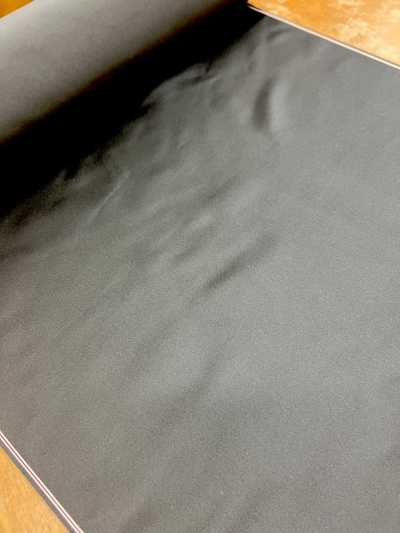
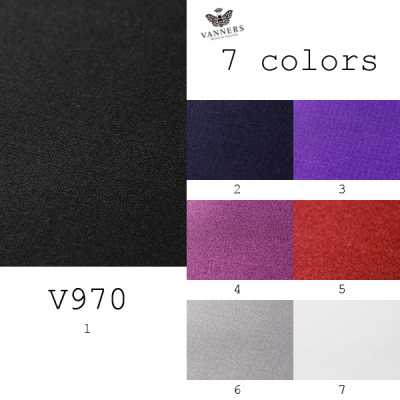
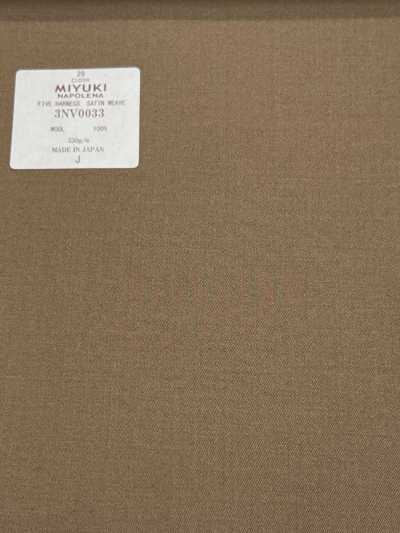
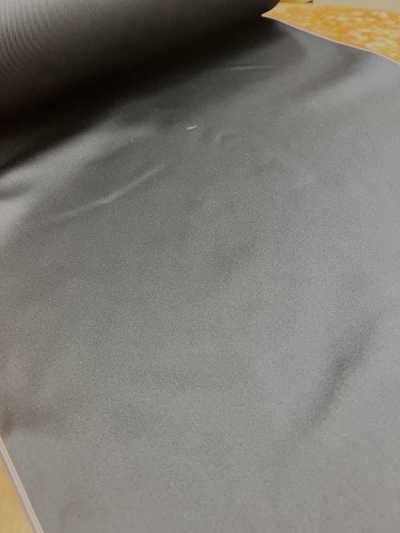
Satin weave is one of the three basic weave structures, created by floating warp or weft threads over a long span on the surface to produce a smooth surface, luster, and supple drape.
Contents6 sections
Definition and Overview
Satin weave is one of the three basic weave structures, alongside plain weave and twill, that form the foundation of woven fabrics. By dispersing the interlacing points of the yarns and leaving one set of yarns floating long on the surface, it creates a smooth surface in which the interlacing structure is less noticeable.
When the warp yarns appear more on the surface, it is called warp satin; when the weft yarns appear more on the surface, it is called weft satin. Because it refers to the weaving method rather than the fiber type, it is made with various yarns such as silk, polyester, and rayon.
Features
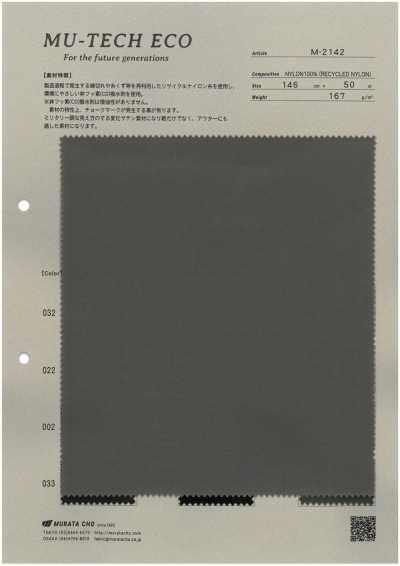
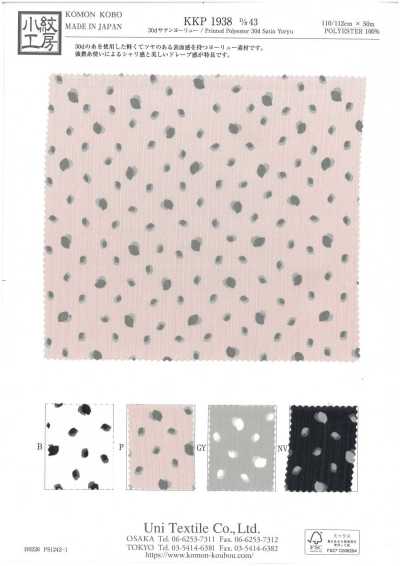
Because the yarns covering the surface are long, it tends to show an elegant sheen when exposed to light and to have a soft hand with graceful drape. When continuous long-fiber yarns such as filament yarn are used, an especially smooth appearance can be achieved.
On the other hand, the long floating yarns are more easily affected by friction and snagging, and compared with tightly woven plain weave, the abrasion resistance and shape stability may be lower. Luster, thickness, firmness, and drape vary greatly depending on the material, yarn thickness, density, and finishing process.
Main Applications
Taking advantage of its sheen and drape, it is used for dresses, formal wear, blouses, skirts, lingerie, costumes, and more. It is also used for applications that call for a smooth appearance, such as linings, decorative sections, and ties.
Thin, supple types are chosen for light garments, while relatively thicker, denser types are selected for jackets, dresses, and formal applications. When deciding on applications, it is important to check not only the weave name but also the material, fabric weight, sheerness, and stretch.
- Dresses and costumes
- Formal wear
- Blouses, skirts, and dresses
- Lingerie and nightwear
- Lining and decorative textiles
How to Choose and Handling Precautions
When selecting, check not only the surface sheen but also how the front and back look, the drape, sheerness, and seam strength on the actual material. In sewing, choose a fine needle and suitable thread so as not to damage the floating yarns, and use test stitching to check needle holes, puckering, and seam slippage.
During cutting, it can be slippery and the grain may shift easily. Stabilize the fabric on the cutting table, and if necessary, devise methods for fixing the pattern and finishing the seam allowances. Suitability for washing and ironing depends on the material and finishing, so follow the care label and check beforehand in an inconspicuous area.
Differences from Similar Terms
Satin generally refers to a glossy textile woven in satin weave, or a textile with such an appearance. Satin weave, by contrast, refers to the structure itself. Therefore, because it is satin weave, it does not necessarily mean it is a satin textile of a specific material or thickness.
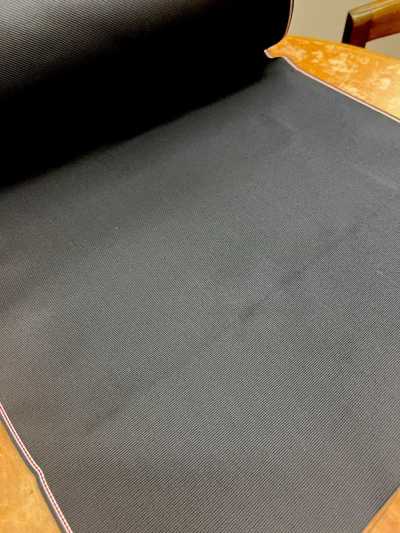
Plain weave has warp and weft yarns interlacing alternately, so it is durable and relatively stable. Twill has a diagonal rib, while satin weave does not show a distinct rib and is characterized by a smoother surface with a greater tendency to show luster.
Frequently Asked Questions
Are satin weave and satin the same?
Satin weave is the name of a weave structure, while satin is often the name used for textiles made with satin weave. However, in the marketplace, satin may also be used as a general term for glossy, smooth textiles. Judgment should be based on the material, weave, and finish.
Can satin weave be washed at home?
Whether it can be washed cannot be determined by the satin weave structure alone. Suitable methods differ depending on the material, such as silk, rayon, or polyester, as well as dyeing and finishing. It is important to check the product care label and handle it so as to avoid friction and snagging.